Iraq's cabinet has officially sanctioned new procedures for the export of its crude oil. This initiative involves engaging a mix of specialized international and local companies to facilitate sales, alongside the utilization of multiple export terminals. The contracts under this revised framework are scheduled to begin on September 1 and will have a duration of three months.
This strategic shift indicates Iraq's intention to enhance its flexibility and reach in the global oil market, potentially reducing reliance on single export routes or partners. By diversifying its export channels, Iraq aims to optimize its crude oil sales and potentially mitigate risks associated with geopolitical factors or logistical bottlenecks.
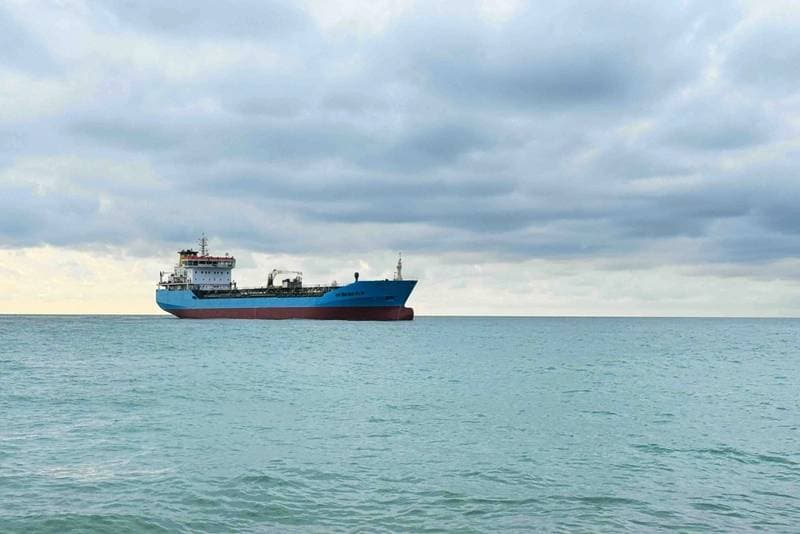
For freight forwarders and shippers involved in the energy sector, this development could lead to increased tanker traffic from various Iraqi export points. It might also introduce new logistical requirements and opportunities for specialized carriers and service providers. Forwarders should monitor the specific companies and outlets involved to understand potential impacts on vessel scheduling, port operations, and regional shipping routes, particularly concerning crude oil tanker movements.