29d ago·Hellenic Shipping NewsHIGH
Gulf Oil Exports Recover Amidst Geopolitical Tensions, Crude Prices Remain High
Gulf oil exports are recovering, but global crude prices remain high due to ongoing geopolitical tensions and supply concerns
Articles tagged with the Israel–Iran Conflict topic across every transport mode.
Gulf oil exports are recovering, but global crude prices remain high due to ongoing geopolitical tensions and supply concerns
Former U.S. President Trump indicated that oil prices would fall sharply after the resolution of the Iran conflict
UK natural gas prices have surged over 150% this year, driven by supply concerns in the Strait of Hormuz.
Brent crude prices exceeded $105/bbl as US-Iran maritime access negotiations remain deadlocked, impacting bunker costs.
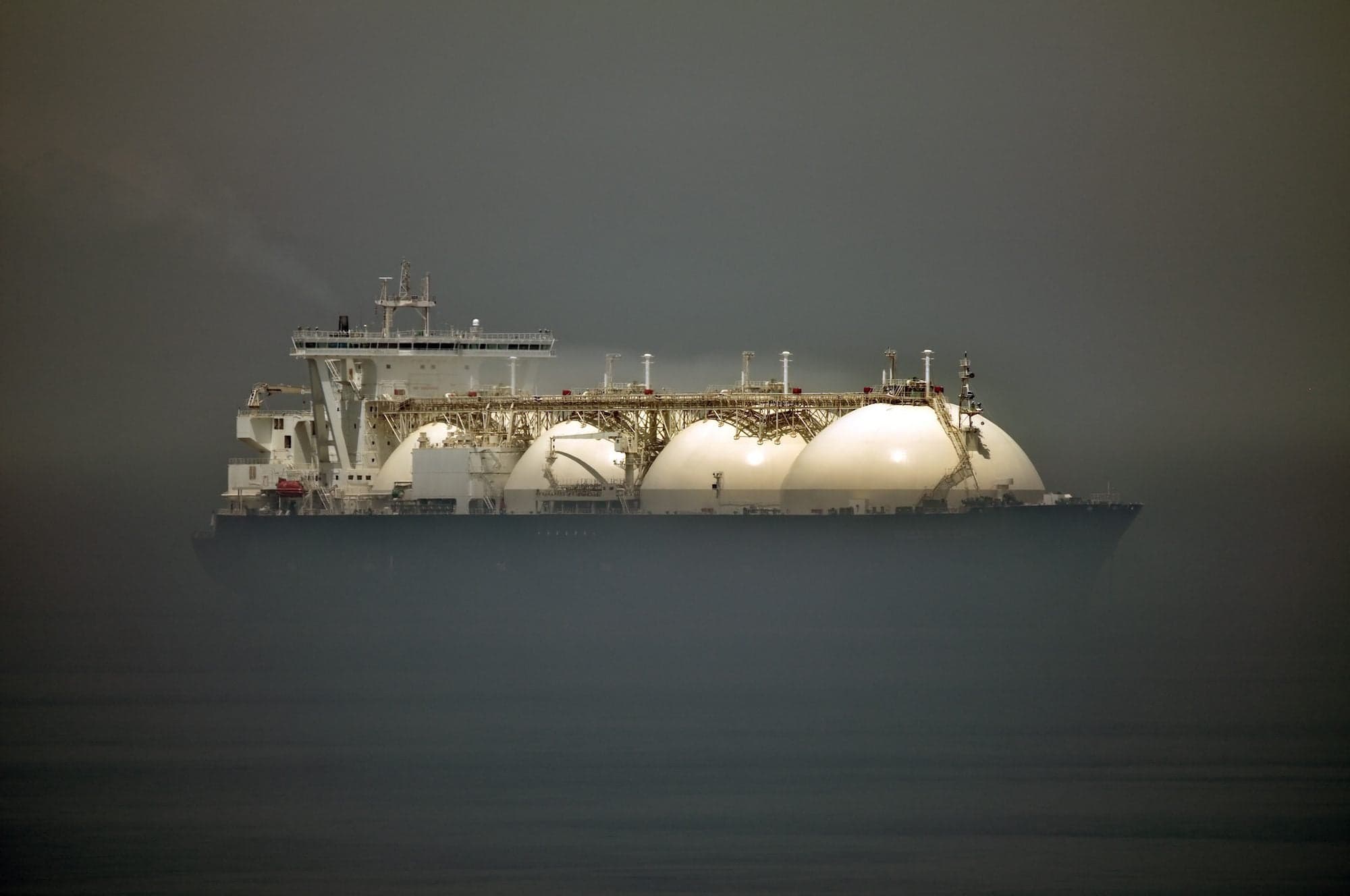
Europe is increasing LNG imports ahead of winter, as Strait of Hormuz disruptions tighten the global market
An Iranian cruise missile strike in the Strait of Hormuz injured eight US Marines, an incident previously undisclosed
Qatar-linked LNG vessels have resumed transiting the Strait of Hormuz, indicating a return to normal operations despite US-Iran tensions
Oil prices climbed more than 2% after Iran reaffirmed its terms for reopening the Strait of Hormuz, maintaining uncertainty.

Dutch gasoline prices set a new record at €2.730 per liter, driven by Middle East tensions.
Iran has expanded its Strait of Hormuz blacklist, threatening charterers with fleet-wide sanctions for unapproved transits.
Iran awaits a US response to its Strait of Hormuz peace plan, despite reports of the Trump administration's rejection
Oil prices dropped after reports indicated potential U.S.-Iran talks on reopening the Strait of Hormuz.
Tanker availability has tightened dramatically, driving freight rates up, with some VLCC employment reportedly exceeding USD 1 million…
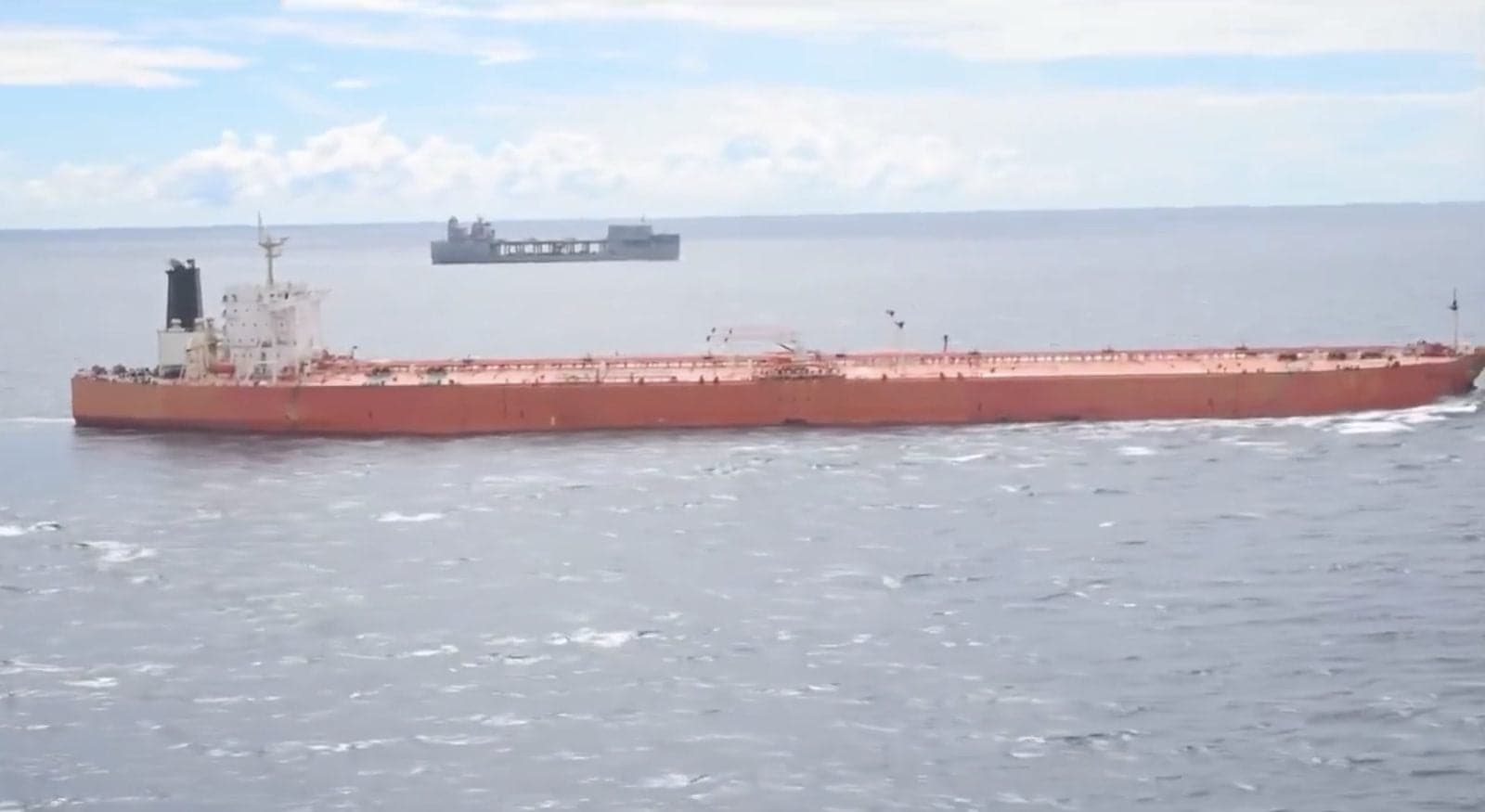
Two Iranian-linked oil supertankers, interdicted by US naval forces, are approaching the United States for seizure.
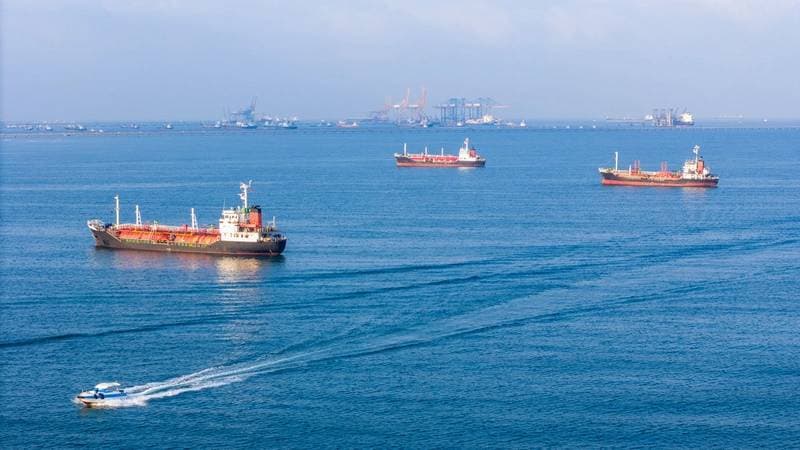
Crude oil flows through the Strait of Hormuz reached 33.7 million barrels in the week of September 20, maintaining steady volumes
Marine insurers have lost billions covering war risks for shipping in the Strait of Hormuz due to ongoing US-Iran conflict.
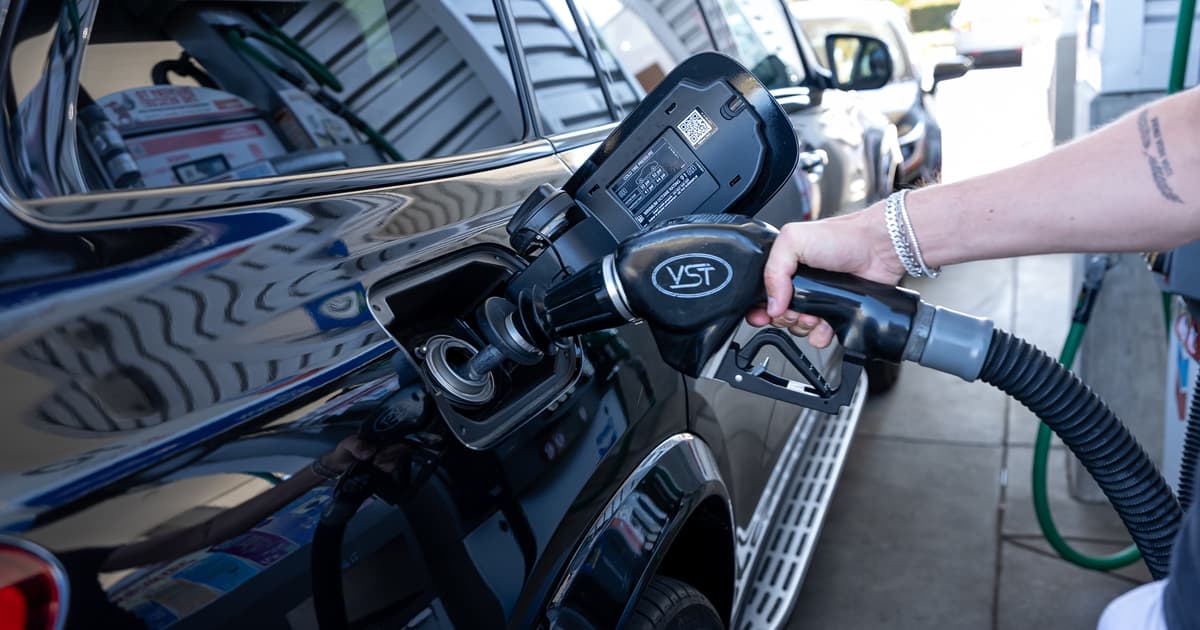
The US Senate rejected a resolution to curb presidential war powers concerning Iran, a largely symbolic vote before midterm elections
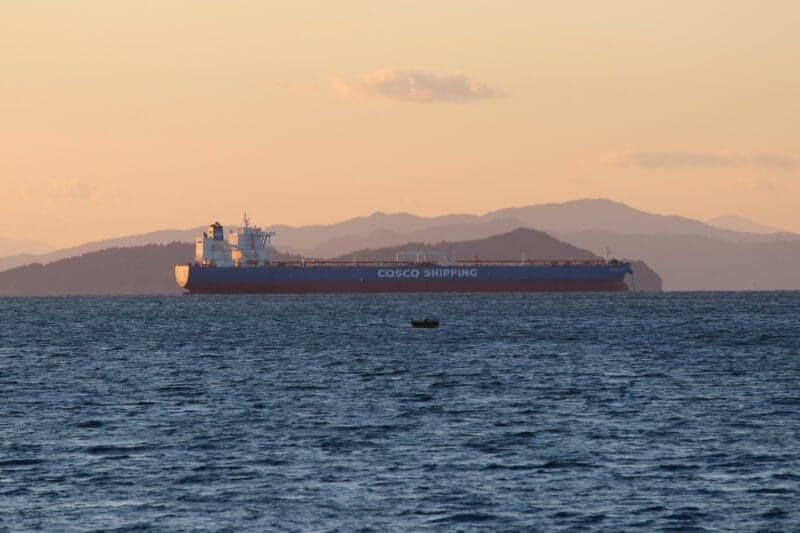
A substantial rise in tanker earnings is attracting new investors to shipping, as geopolitical crises limit vessel supply
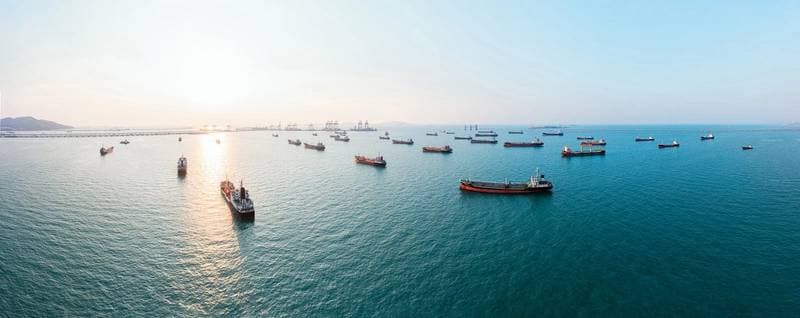
Commodity vessel transits through the Strait of Hormuz remain below the recent 10-day moving average, signaling potential disruptions
Oil prices fell after US President Trump reported talks between American and Iranian representatives at the United Nations.
U.S. Secretary of State Marco Rubio indicated that an Iran agreement would demand significant, sustained effort.
A bulk carrier was attacked in the Strait of Hormuz, resulting in one seafarer dead and another injured.
Japan has secured crude oil supplies through November, but December's outlook is uncertain due to Middle East tensions
An LNG tanker from Qatar has crossed the Strait of Hormuz, heading to Pakistan's Port Qasim to boost energy supplies.
Repairs to Ras Laffan's two LNG trains will take three years, impacting global energy supply and LNG shipping.
Chinese shipbuilders are profiting from new orders for large oil tankers, spurred by crude oil supply chain diversification.
Oil prices rose in Asian trading, ending a four-session losing streak, as markets eyed potential US-Iran talks
Renewed Middle East conflict is disrupting oil exports, causing crude and oil product prices to rise again.
European natural gas prices rose to nearly €74 per megawatt-hour, following a sharp drop linked to Middle East diplomatic efforts.
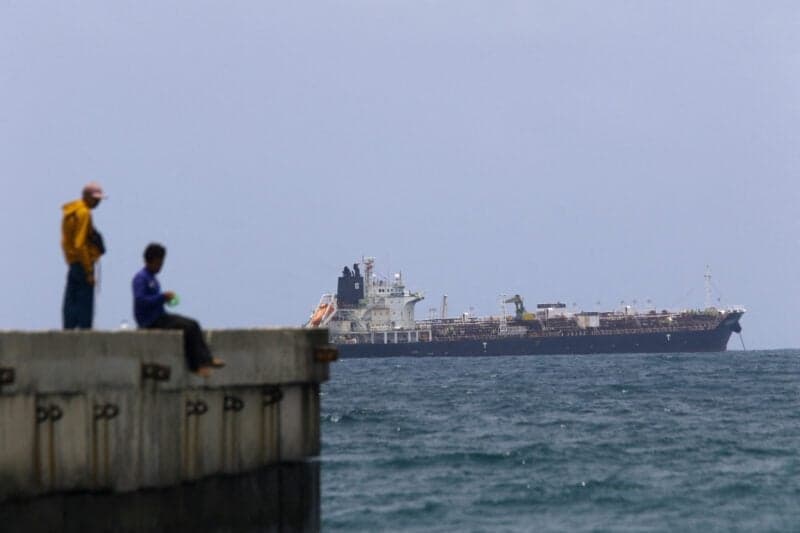
Diesel prices in Europe and the US have hit record highs, driven by reduced exports from key producers due to conflicts
Browse by mode or open the Intelligence Suite for cross-cutting briefs.