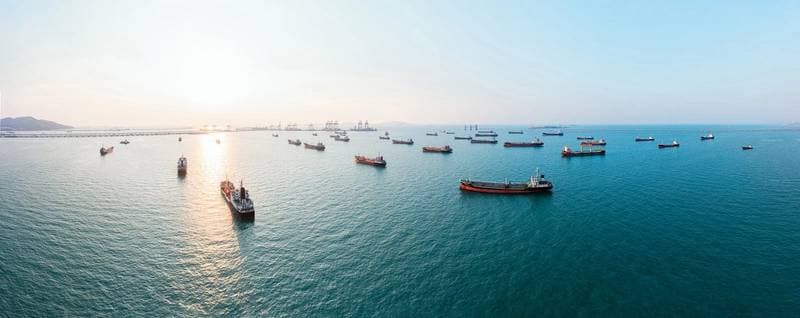
Shipping data released on Thursday revealed that only ten commodity vessels navigated the Strait of Hormuz on Wednesday. This figure represents an increase from seven vessels the previous day but remains notably lower than the 10-day moving average of approximately 17 transits. Nine of these vessels were observed entering the strait, including Supramax ships transporting metals.
This reduced shipping activity in the Strait of Hormuz, a critical chokepoint for global oil and commodity trade, follows a period of increased geopolitical tensions in the region. Such fluctuations in transit volumes can be indicative of broader concerns regarding security and operational risk for maritime operators.
For freight forwarders and supply chain managers, a sustained reduction in traffic through the Strait of Hormuz could lead to several implications. It may signal a heightened risk perception, potentially resulting in increased war risk premiums for cargo insurance, longer transit times if alternative routes are considered, or even capacity constraints as carriers adjust their schedules or re-evaluate their presence in the region. Forwarders should monitor the situation closely for potential impacts on vessel schedules, routing, and overall freight costs, particularly for shipments involving commodities originating from or destined for the Persian Gulf.
The article does not specify any immediate future developments or changes in policy, focusing solely on the current transit statistics.