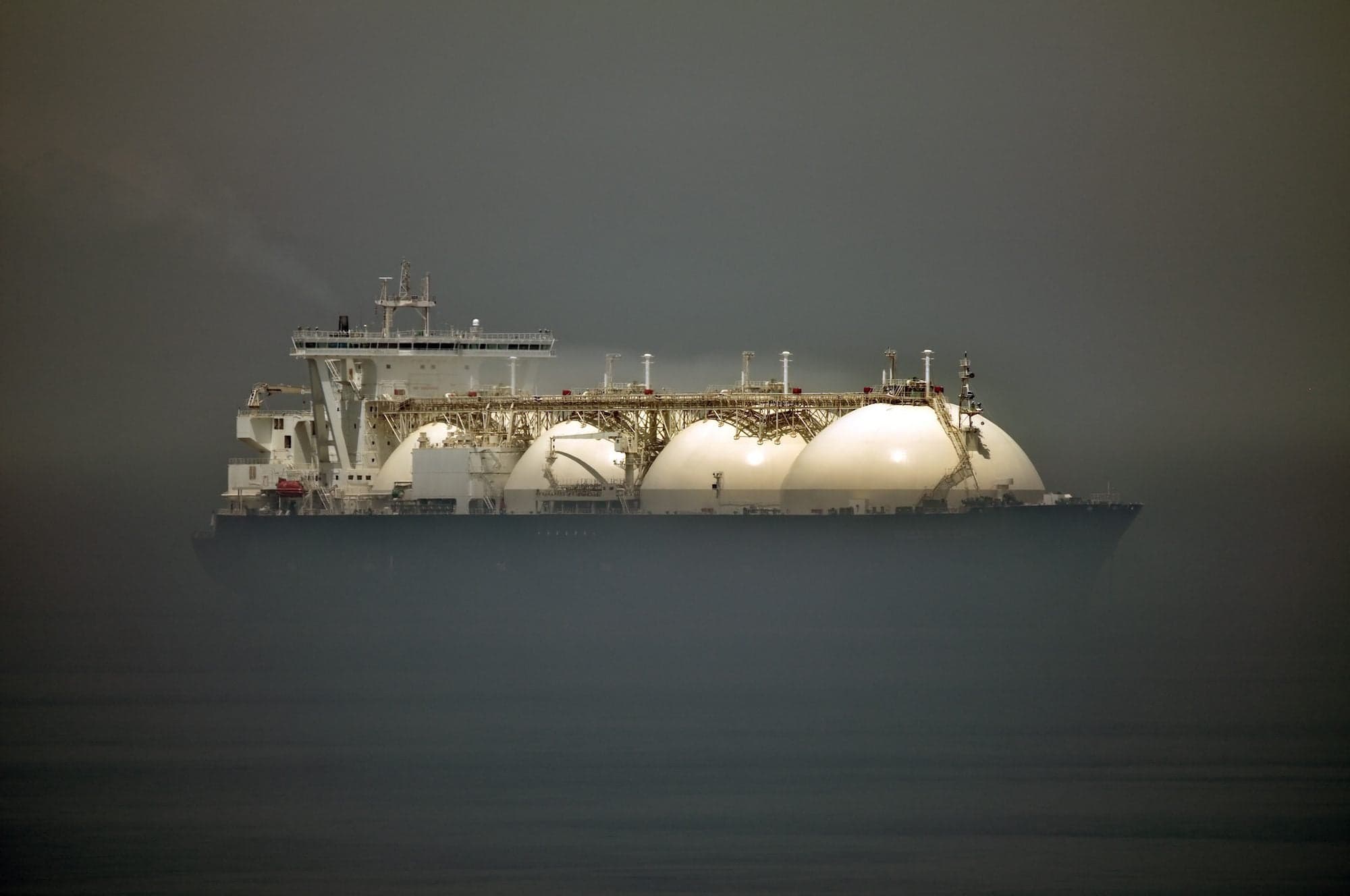
European nations are currently increasing their imports of liquefied natural gas (LNG) as they prepare for the Northern Hemisphere winter. This heightened demand is occurring against a backdrop of persistent disruptions affecting maritime traffic through the Strait of Hormuz. These disruptions are creating a more competitive global market for LNG, as various regions vie for limited supplies.
For freight forwarders and shippers, this situation implies potential volatility in LNG prices and availability. While the article focuses on energy, the broader geopolitical tensions impacting key maritime chokepoints like the Strait of Hormuz can lead to increased war risk premiums for vessels transiting the area, affecting overall shipping costs and transit times for all types of cargo. Forwarders involved in energy logistics or those with supply chains reliant on stable energy prices should monitor these developments closely. The increased competition could also lead to diversions or longer routes for LNG carriers, further complicating scheduling and capacity planning.