
70d ago·Air Cargo News
Global Airfreight Rates Decline Weekly but Remain Higher Year-Over-Year
Global airfreight rates have fallen week-on-week but show a significant 16.8% increase compared to last year
Articles tagged with the Freight Rates topic across every transport mode.
Global airfreight rates have fallen week-on-week but show a significant 16.8% increase compared to last year
Red Sea crossings have decreased by 50% as Middle East conflict disruption spreads, according to Clarksons Research.
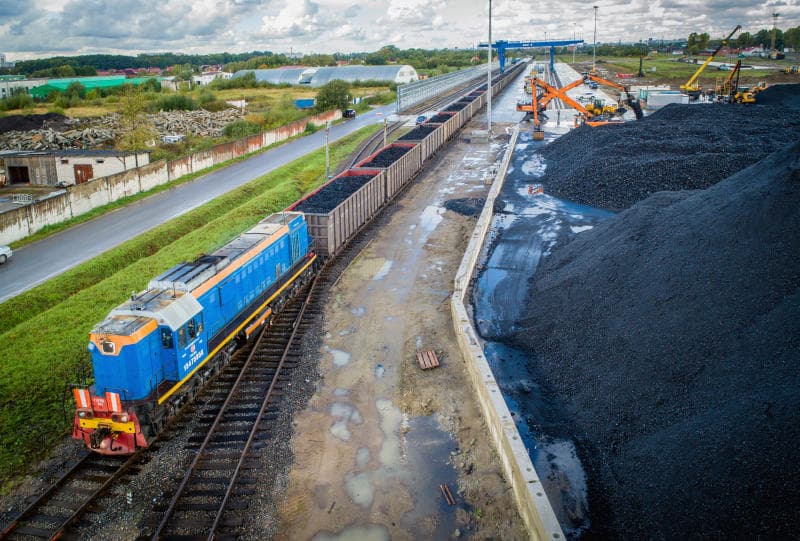
A diesel shortage has doubled fuel prices, severely impacting Russian rail freight operations and causing extensive disruption.
The Baltic Dry Index (BDI) fell 1.7% to 2,696 on Monday, interrupting a three-day winning streak.
The Ningbo Containerized Freight Index (NCFI) stood at 2219.2 points for the week ending July 24.
Persistent oil price volatility, fueled by shipping disruptions and geopolitical friction, threatens to entrench core inflation.
Less-than-truckload rates are rising due to heavier and more frequent shipments in the second quarter

Global airfreight rates saw a fourth consecutive weekly decline, though remaining higher year-on-year despite geopolitical tensions.

The freight market is rapidly tightening due to increased federal enforcement actions reducing available truckload capacity
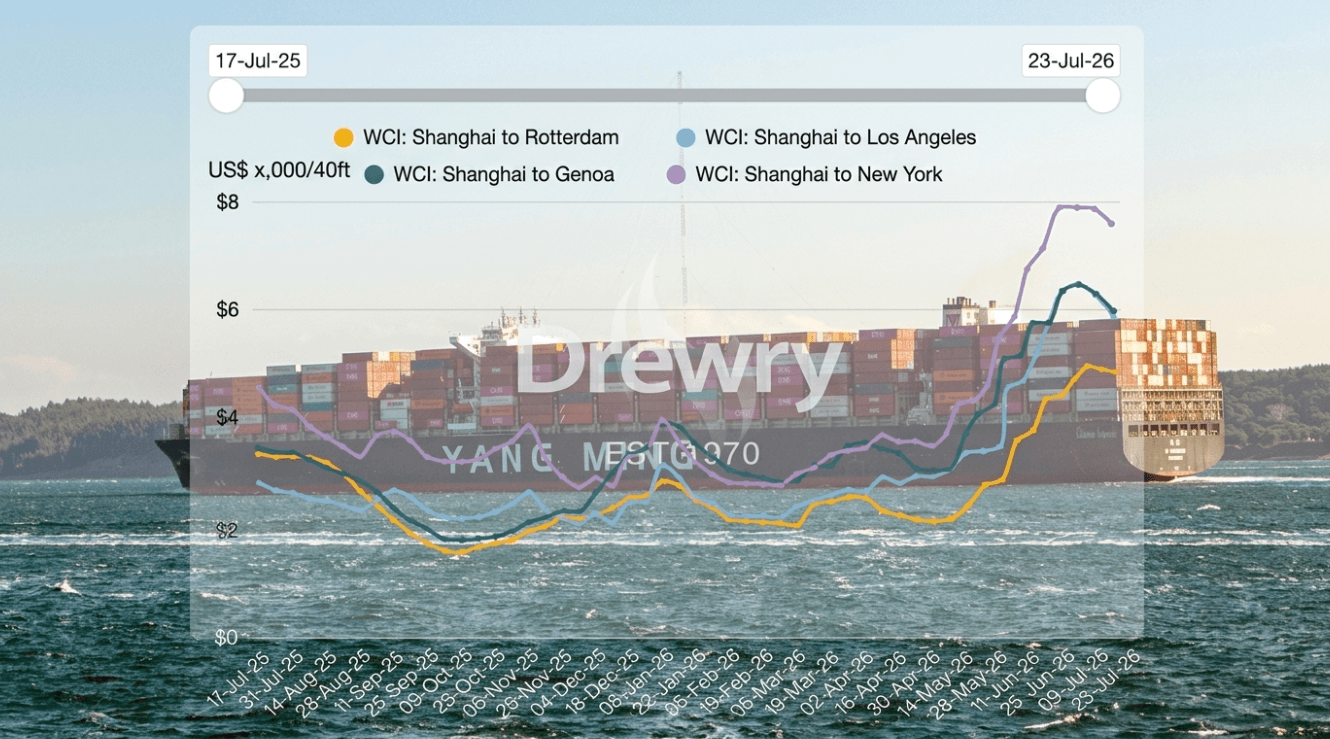
The Drewry World Container Index fell by 4% for the second week, driven by increased capacity and US tariff concerns
The Baltic Dry Index (BDI) fell by 47 points to 2696 on July 27, indicating a shift in dry bulk shipping costs

Far East to US ocean spot rates are slightly softening but remain elevated, with gradual declines expected to continue.
Maritime diversions from the Red Sea via the Cape of Good Hope are increasing tanker tonne-mile demand and operational costs
Ocean carriers on transpacific routes are reportedly reaching the limits of their capacity management strategies, says Xeneta.
The Drewry Intra-Asia Container Index (IACI) fell 2% to $960 per 40ft container, marking its fifth weekly decline.
LPG shipping rates rose last week, while LNG rates remained stable with a slight softening on key routes.
CMA CGM is implementing an emergency fuel surcharge globally from August 1 due to escalating Middle East tensions and rising energy costs
European stock markets rallied as crude oil prices fell, easing inflation concerns ahead of key central bank decisions.
The US dollar shows increased strength before the FOMC decision, as EUR/USD drops due to Middle East tensions.
China's economic growth is forecast to decelerate in the latter half of the year as Beijing avoids widespread stimulus
Tanker freight rates are rising as Red Sea tensions and Houthi threats against Saudi ports cause transit delays and diversions
Container shipping rates saw mixed results this week, with some lanes flat and others experiencing declines.

Shippers are extending tender lead times, signaling a strategic response to current freight market conditions and capacity planning.
Spot container rates from East Asia and China to the US West Coast fell, with East Coast rates mixed, and tanker rates softened.

Shippers face tighter road freight capacity and sustained high rates, exacerbated by new driver regulations.
The Drewry World Container Index (WCI) saw a 4% drop last week, signaling a decline in global container freight rates.
The New ConTex container ship time charter index will change its calculation methodology starting next week.
Corn futures hit a nine-week high, supported by tightening global supply expectations, elevated crude oil prices, and adverse weather
India's manufacturing growth slowed in July 2026, with the PMI falling to 53.9, indicating a more subdued improvement in factory conditions
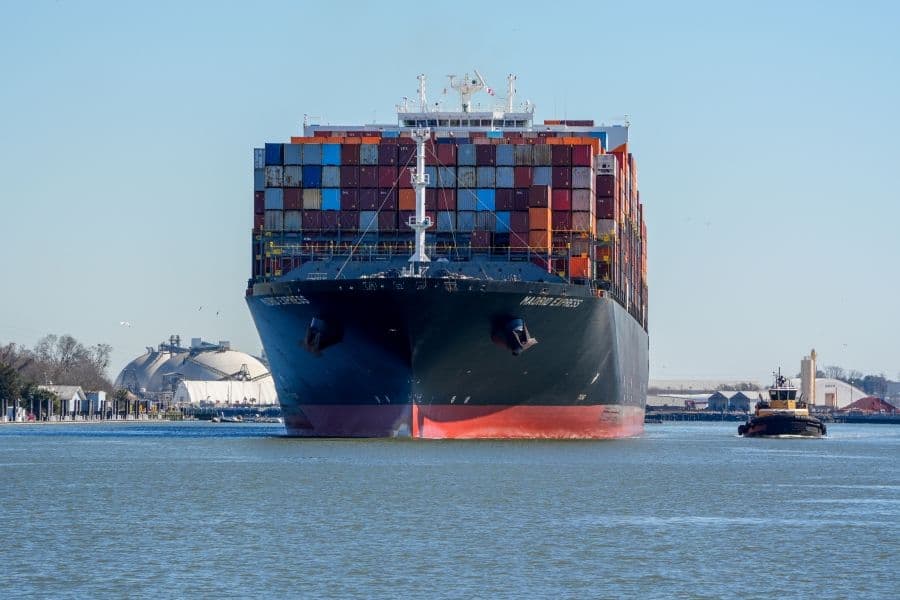
US spot truckload rates from ports are projected to climb in August due to an increase in import volumes.
Browse by mode or open the Intelligence Suite for cross-cutting briefs.