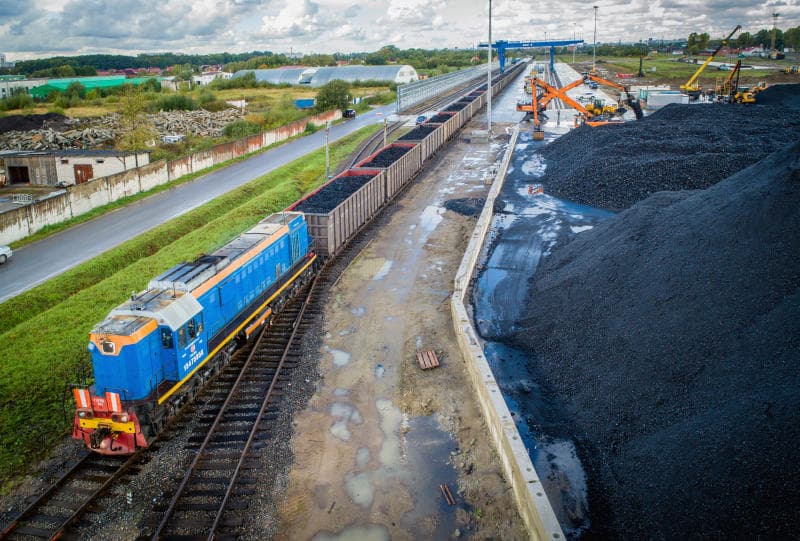
Russian rail freight is currently facing substantial operational challenges due to a critical shortage of diesel fuel. This scarcity has led to a dramatic increase in prices, with costs more than doubling in a short period. The impact is widespread, as approximately 80% of Russia's rail freight network utilizes diesel-powered locomotives, making the sector highly vulnerable to fuel price volatility and availability issues.
For freight forwarders and operations managers, this situation implies potential delays and increased costs for rail shipments originating from or transiting through Russia. The doubling of diesel prices will inevitably translate into higher freight rates for clients, impacting budget planning and potentially necessitating a re-evaluation of transport modes or routes. Capacity might also be affected as some sidings struggle to maintain operations, leading to reduced service reliability. Forwarders should anticipate longer lead times and prepare for potential surcharges related to fuel costs.
While the article does not specify immediate next steps, the ongoing diesel shortage suggests continued pressure on Russian rail logistics. Businesses reliant on these routes should monitor the situation closely and consider alternative transport solutions or adjust their supply chain strategies to mitigate risks associated with fluctuating fuel prices and operational disruptions.