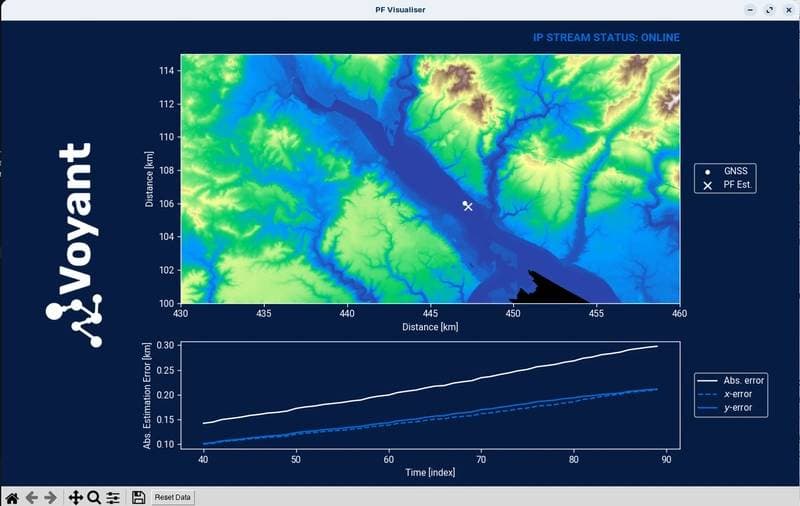
Voyant, a defense technology company based in the UK, recently conducted a successful demonstration of its navigation software, which operates independently of satellite signals. The software was tested aboard an autonomous surface vessel (ASV) as part of a project for the UK Ministry of Defence (MOD). This initiative is designed to bolster the operational capabilities and resilience of uncrewed maritime systems (UMS) by mitigating their dependence on Global Positioning System (GPS) technology.
The context for this development lies in the increasing vulnerability of GPS signals to jamming and spoofing, particularly in contested environments. For military applications, ensuring continuous and reliable navigation for autonomous platforms is paramount. This technology offers a robust alternative, allowing ASVs to maintain course and execute missions even when satellite navigation is compromised.
For freight forwarders and supply chain professionals, while this technology is currently focused on defense, it signals a broader trend towards enhanced autonomy and resilience in maritime operations. In the long term, advancements in GPS-denied navigation could influence the development of commercial autonomous vessels, potentially leading to more secure and reliable shipping routes, especially in areas prone to signal interference. This could reduce risks associated with navigation system failures and improve schedule reliability for future autonomous fleets. However, widespread commercial adoption is still distant, and current implications for cargo routing or rates are minimal.
Further development and testing are expected as the UK MOD continues to invest in advanced capabilities for its uncrewed maritime fleet, with potential future applications in various maritime sectors.