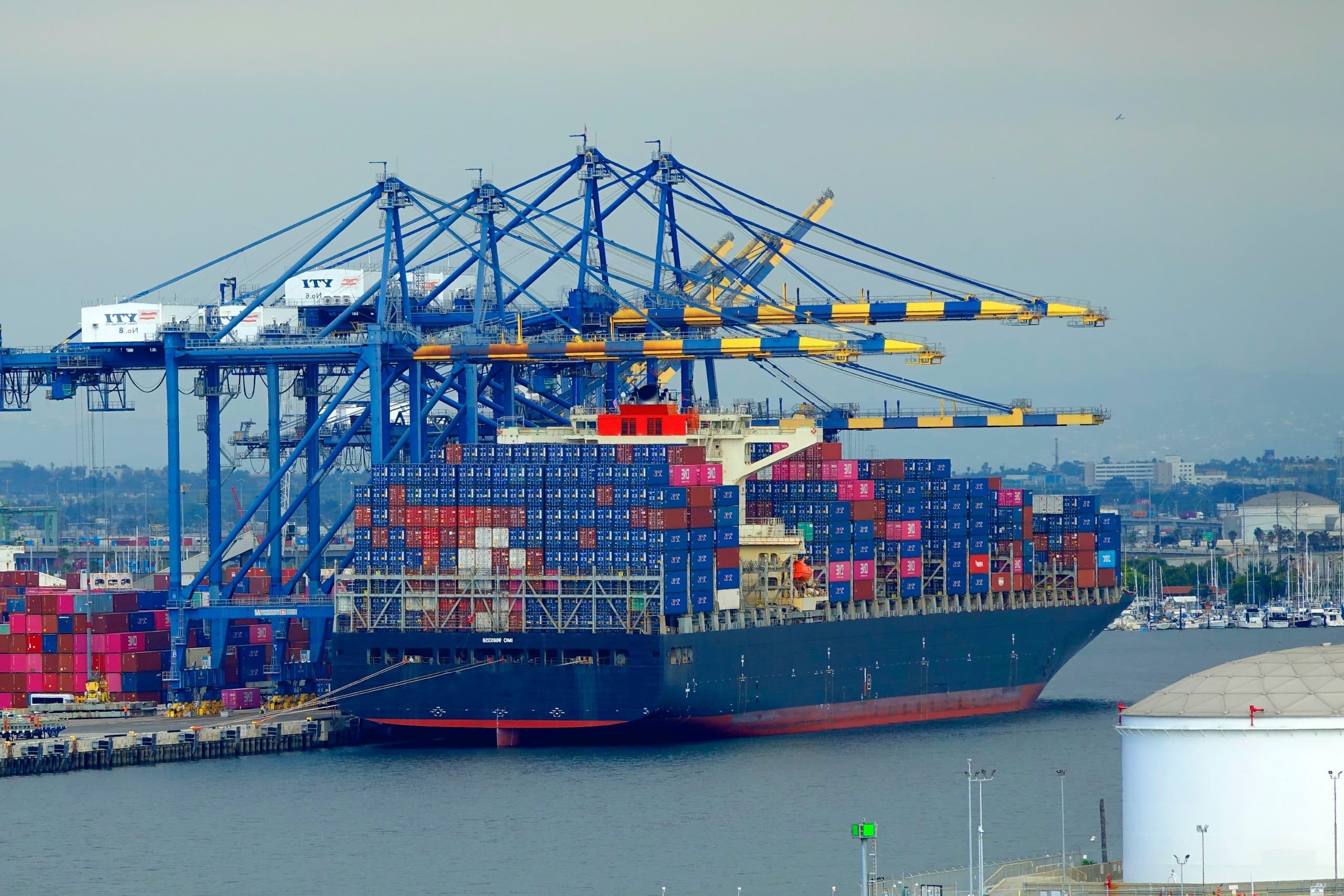
The Port of Los Angeles experienced a record-breaking September for container throughput, marking the highest monthly volume in its history. This significant increase in cargo movement was primarily attributed to shippers' strategic decisions to utilize what they perceived as a more direct and quicker route to market. Additionally, a temporary period of relatively low tariffs influenced these routing choices, encouraging a surge in imports through the port.
For freight forwarders and operations managers, this development signals a potential shift in preferred shipping lanes, particularly for Trans-Pacific routes. The emphasis on 'shorter, quicker route to market' suggests that transit time and supply chain velocity are critical factors for shippers, even when tariff conditions are transient. This could lead to increased demand and potentially higher rates for services into Los Angeles, impacting capacity and scheduling for forwarders managing cargo from Asia to the US West Coast. Forwarders should monitor capacity and potential congestion at Los Angeles, and consider how this trend might affect other West Coast ports.