The regional air cargo market is currently undergoing a significant replacement cycle. This shift is primarily driven by an aging fleet of aircraft, which leads to increased obsolescence costs and persistent pressure from fuel prices. For air cargo operators, the main challenge is no longer just about securing additional capacity, but rather finding aircraft that offer superior economics to keep less profitable regional routes commercially viable.
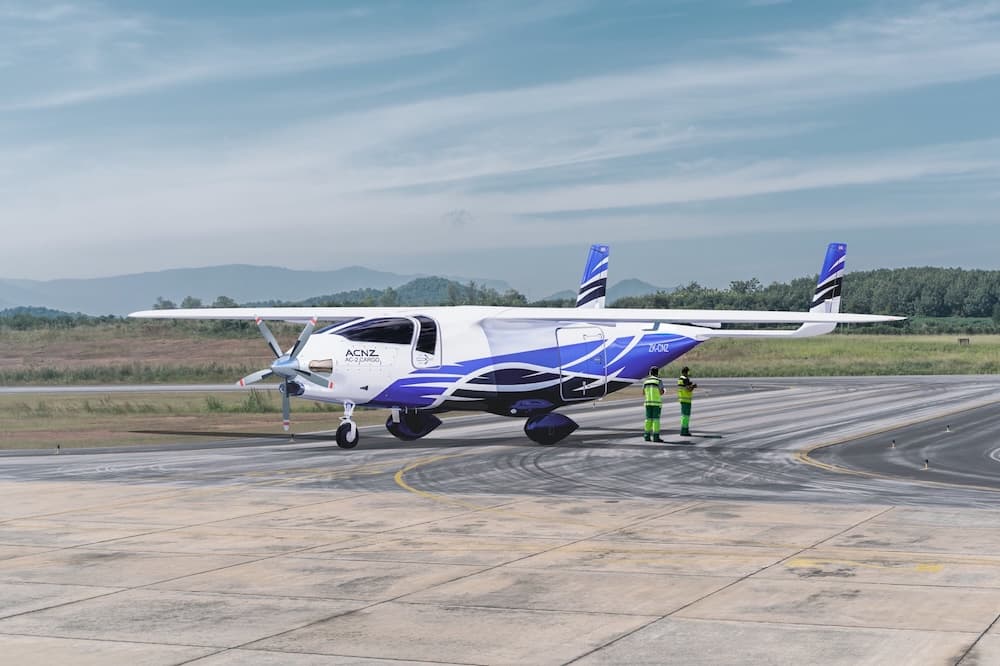
In response to these market demands, the AC-2 AveniQ aircraft is being developed. Its design specifically targets the need for improved operational efficiency and cost-effectiveness in regional air cargo, aiming to provide a solution that addresses the economic pressures faced by carriers.
For freight forwarders and operations managers, this development could lead to more stable and potentially lower costs for regional air cargo services in the long term. The introduction of more economical aircraft may help maintain or even expand service to smaller, less dense regional markets that might otherwise become unviable. This could ensure better connectivity and more reliable options for last-mile or regional distribution, particularly for time-sensitive or specialized cargo. It might also reduce the likelihood of route cancellations due to high operating costs, offering greater predictability for supply chain planning.