For many decades, supply chains were primarily structured around maximizing efficiency, featuring centralized production facilities and highly optimized transport networks aimed at minimizing operational costs. However, current global challenges, including escalating geopolitical tensions, persistent labor shortages, significant infrastructure disruptions, and increasingly frequent climate-related events, are exposing critical vulnerabilities within these systems. Healthcare organizations, in particular, can no longer afford to overlook these weaknesses, as the integrity of pharmaceutical distribution is paramount.
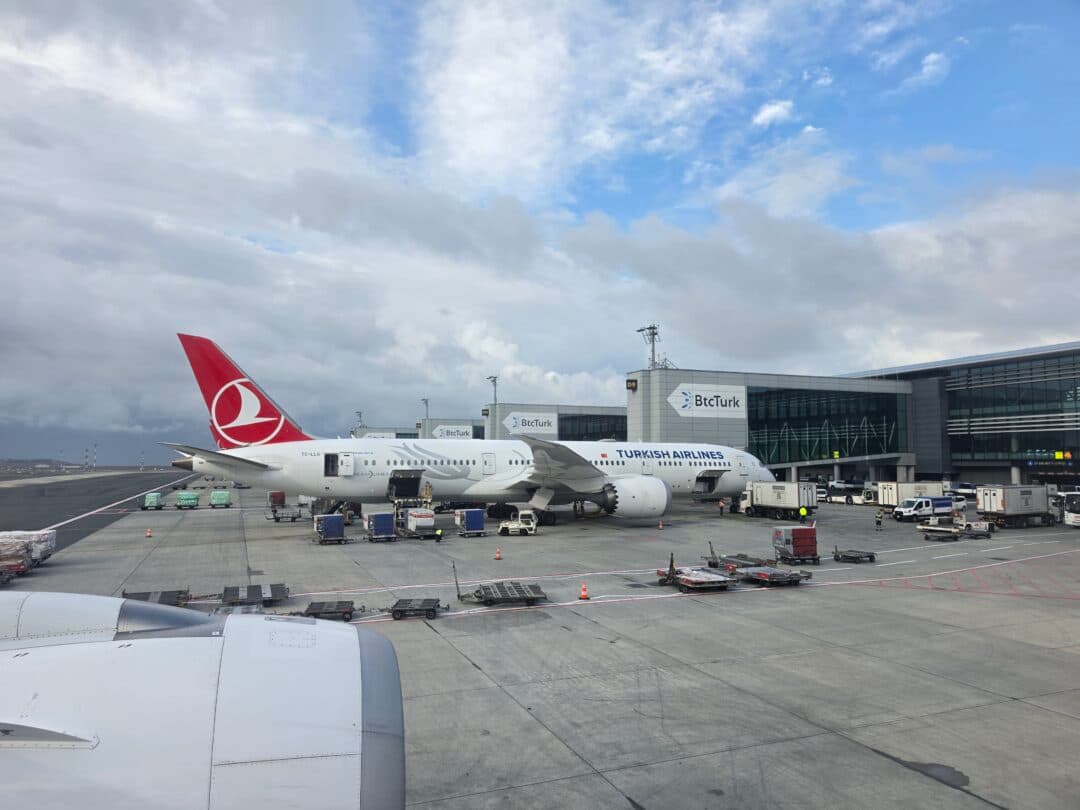
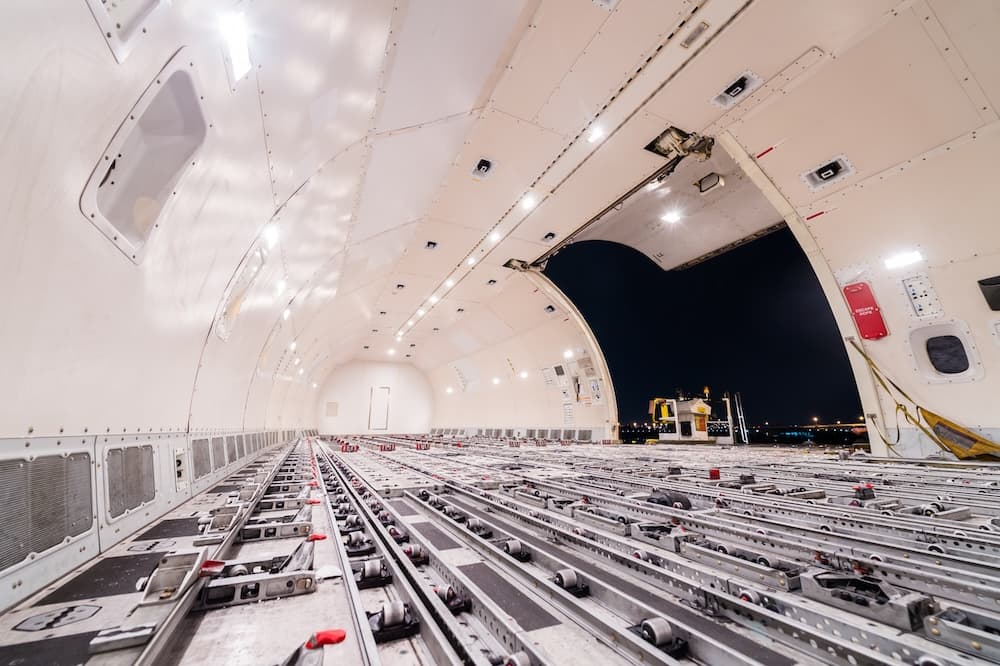
Airfreight continues to be an indispensable mode of transport for pharmaceutical products, primarily due to its inherent speed, which is vital for time-sensitive and high-value medical goods. This reliance on air cargo underscores the need for robust and adaptable logistics solutions.
For freight forwarders and logistics professionals, this shift means a greater emphasis on risk mitigation and contingency planning. It implies a potential increase in demand for diversified routing options, enhanced cold chain capabilities, and more flexible capacity solutions. Forwarders should anticipate clients seeking more resilient, albeit potentially costlier, supply chain designs, moving away from purely cost-driven decisions. This could lead to a re-evaluation of carrier partnerships and a greater focus on end-to-end visibility and real-time tracking to manage potential disruptions proactively. The implications for rates might involve a premium for guaranteed capacity and more secure, resilient services, especially for critical pharmaceutical shipments.