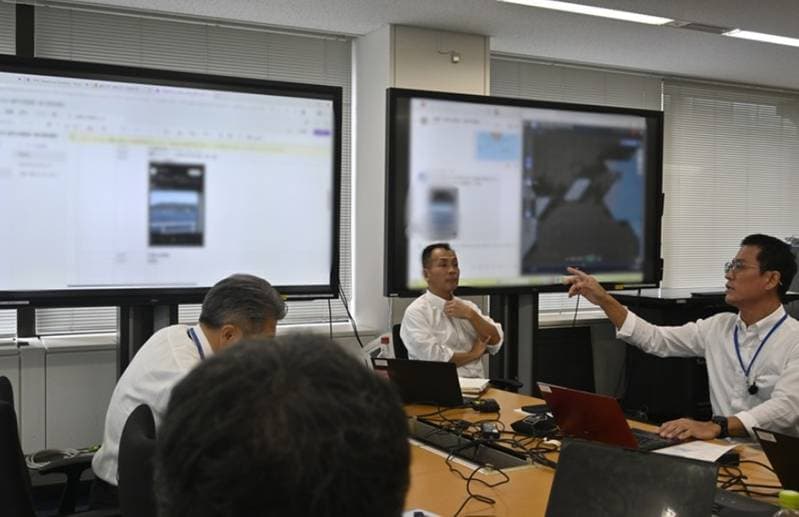
Japanese shipping company NYK Line recently carried out a comprehensive emergency response drill. The exercise simulated a scenario where a large bulk carrier ran aground in Japan's Seto Inland Sea, leading to a fuel oil spill. This full-day simulation, held on September 30, was designed to test and improve the company's crisis management capabilities and its ability to coordinate effectively with relevant governmental and environmental agencies.
The drill focused on the immediate response to such an incident, including damage assessment, containment of the simulated oil spill, and measures to prevent further environmental impact. These exercises are crucial for ensuring that all personnel involved, from vessel crew to shore-based management, are well-prepared to handle real-world maritime emergencies.
For freight forwarders and operations managers, such drills by major carriers like NYK highlight the ongoing commitment to operational safety and environmental responsibility. While this specific event is a simulation, it underscores the potential for vessel incidents to disrupt shipping schedules and cause environmental damage, which can lead to delays, diversions, and increased insurance premiums. Understanding a carrier's robust emergency response framework can offer some assurance regarding their ability to mitigate risks and maintain service reliability, even in unforeseen circumstances. Any actual grounding or spill could lead to significant port closures or restrictions, impacting vessel movements and cargo delivery timelines.
The company's continuous training and simulation efforts aim to minimize the impact of potential future incidents, ensuring quicker recovery and adherence to international maritime safety and environmental regulations.