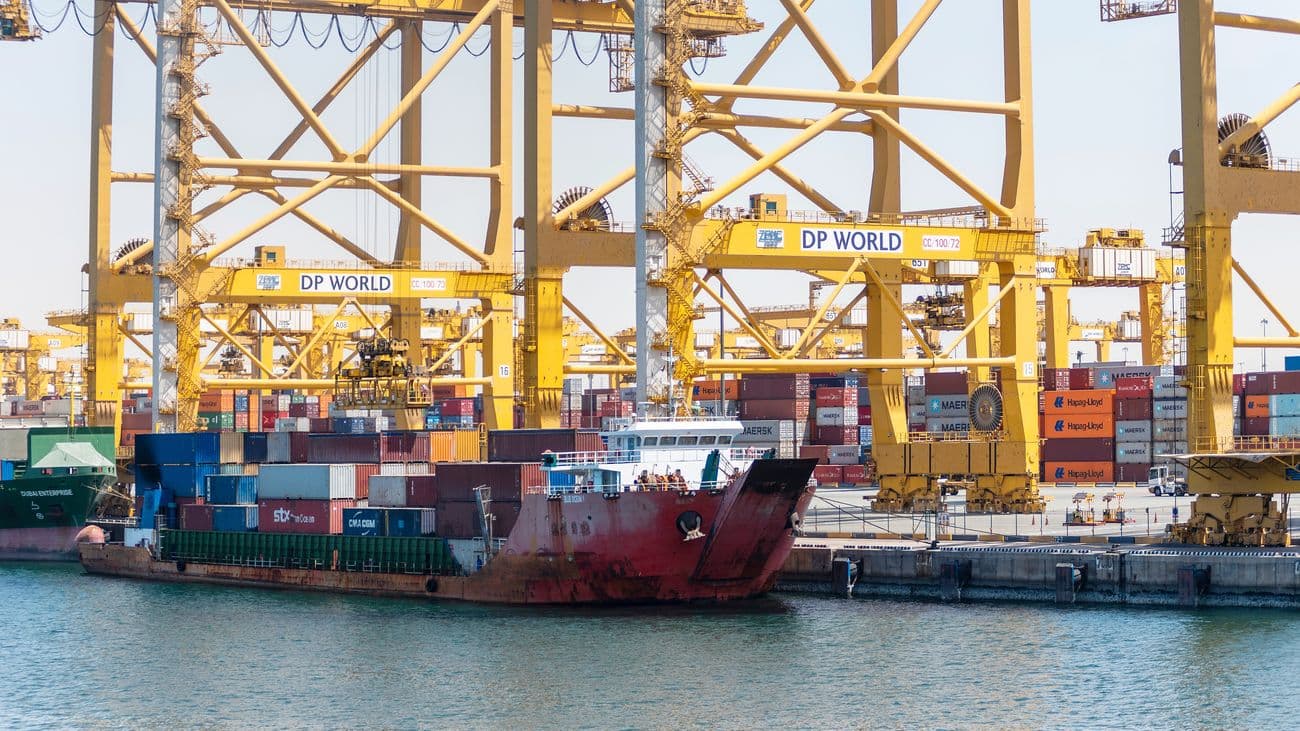
Ports globally are currently navigating a complex environment characterized by a confluence of geopolitical tensions, severe weather phenomena, and persistent labor conflicts. These interconnected issues are collectively reshaping the landscape of international cargo movement, leading to substantial alterations in traditional trade routes and a re-evaluation of the prominence of various port facilities worldwide.
This situation means freight forwarders and operations managers must contend with increased unpredictability in transit times and potential rerouting. Capacity management will become more complex, and rates may fluctuate in response to these disruptions. Shippers should anticipate potential delays and consider diversifying their port choices and supply chain strategies to mitigate risks.
The combined impact of these factors is creating a volatile operational climate for the maritime industry. Geopolitical events can lead to sudden route changes or sanctions, while extreme weather, such as hurricanes or typhoons, directly causes port closures and operational backlogs. Labor unrest, including strikes or slowdowns, further exacerbates congestion and delays, affecting port productivity and vessel turnaround times.