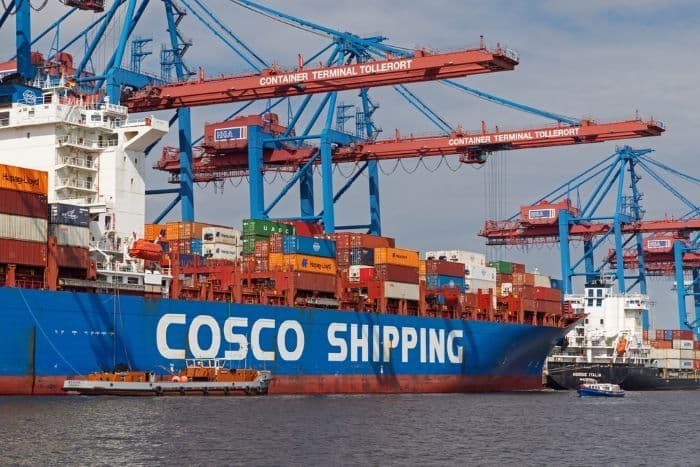
The German government has formally rejected COSCO Shipping's proposed acquisition of a stake in Zippel, a logistics company. The decision was made based on national security concerns, indicating a growing cautious stance by European Union member states towards foreign investment in critical infrastructure, particularly from China.
This move underscores a broader trend of heightened scrutiny within the EU regarding Beijing's expanding influence in the continent's transport and logistics sectors. Several European nations have expressed unease about potential control over strategic assets, following previous controversial investments, such as COSCO's majority stake in the Port of Piraeus in Greece.
For freight forwarders and shippers, this development signals a potential shift in the landscape of logistics ownership and investment in Europe. While this specific rejection does not directly impact freight rates or capacity, it indicates a more protectionist approach by European governments. This could lead to fewer foreign-led acquisitions of logistics providers or port assets in the future, potentially influencing long-term competitive dynamics and infrastructure development within the region. Forwarders should be aware of this geopolitical context when evaluating partnerships or supply chain strategies involving European logistics entities.
The German government's action suggests a continued focus on safeguarding national interests, which may lead to similar interventions in future foreign investment proposals across the EU's transport and logistics sectors.