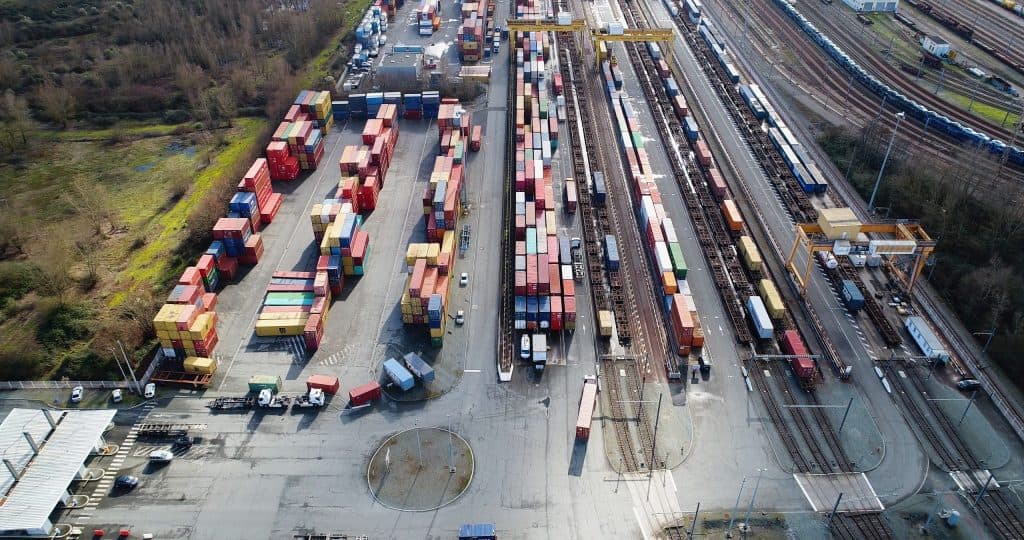
A recent study conducted in France has shed light on the inherent complexities involved in successfully moving freight from road transport to rail. The research concludes that such a modal shift is not a straightforward process and necessitates a collaborative approach, with co-development efforts starting in the early stages of planning and implementation, rather than relying solely on top-down directives.
For freight forwarders and operations managers, this study underscores that achieving a significant modal shift to rail freight will require careful planning and integration. It implies that simply offering rail as an alternative might not be sufficient; instead, a more holistic approach involving infrastructure, operational coordination, and stakeholder engagement will be crucial. This could impact routing decisions, lead times, and potentially the overall cost efficiency of certain supply chains, especially for cargo types traditionally moved by road. Forwarders should anticipate a need for deeper collaboration with rail operators and shippers to overcome these systemic challenges and unlock the full potential of rail freight.