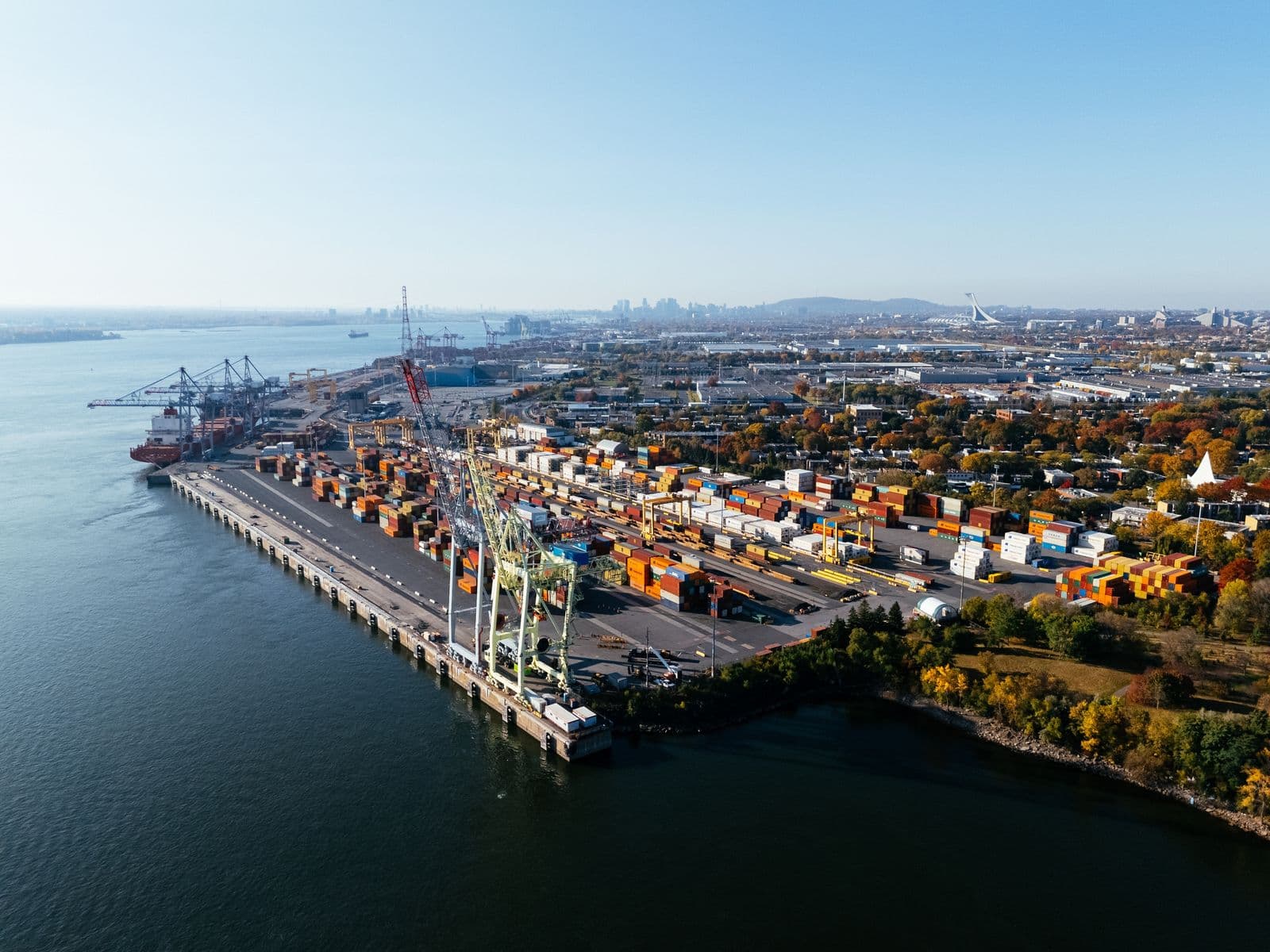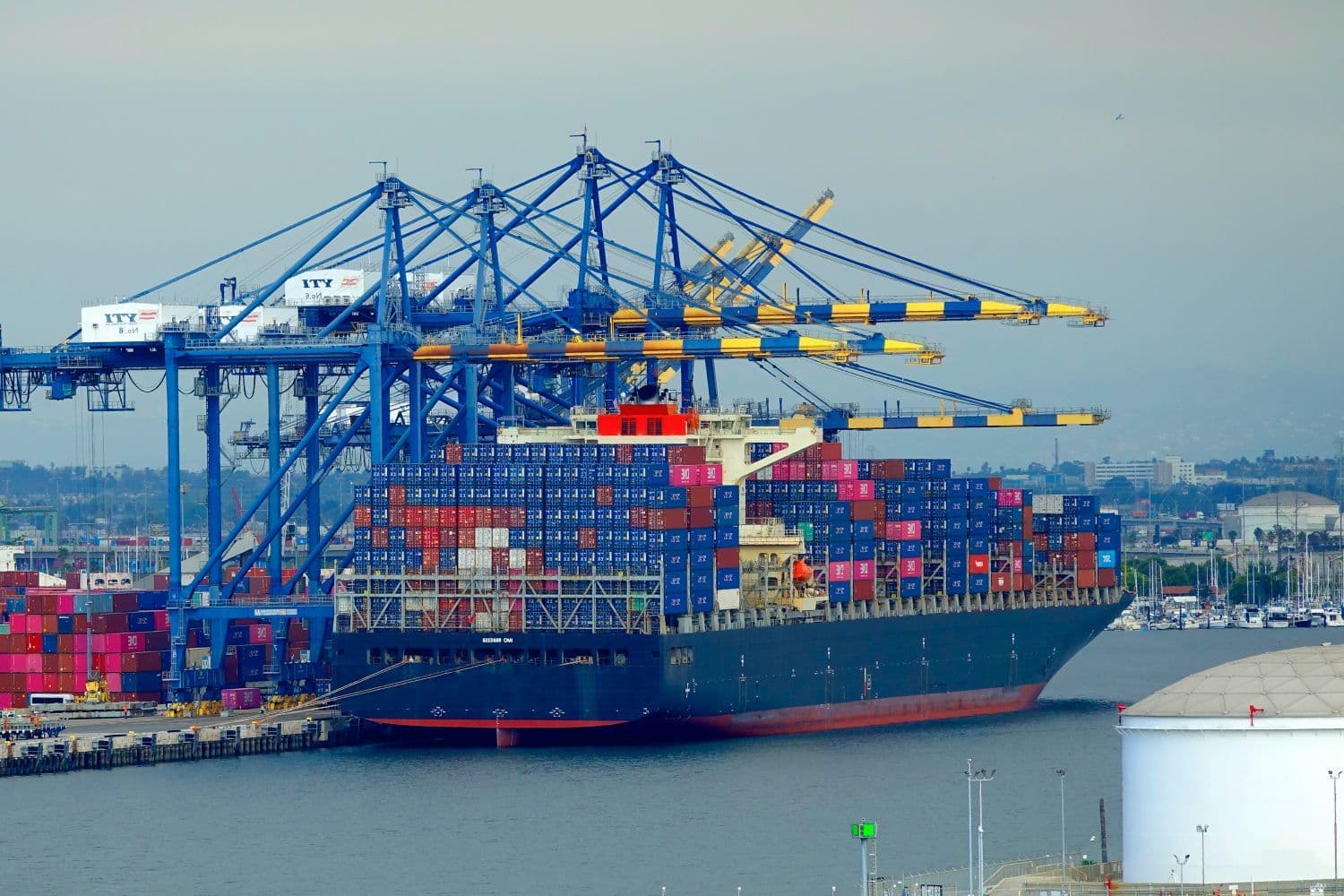
A ballot measure set for November 3 in Los Angeles is widely viewed by industry observers as a renewed effort by the International Longshore and Warehouse Union (ILWU) to mobilize public sentiment against potential future investments in port automation projects by marine terminals. This initiative could provide the union with a new avenue to challenge technological advancements aimed at improving efficiency at the port.
For freight forwarders and operations managers, this development suggests potential delays and increased costs at the Port of Los Angeles. If automation projects are stalled or blocked, terminal efficiency may not improve, leading to continued or exacerbated congestion and slower vessel turnarounds. This could impact schedule reliability and require forwarders to factor in longer transit times and potential surcharges when routing cargo through this critical gateway.