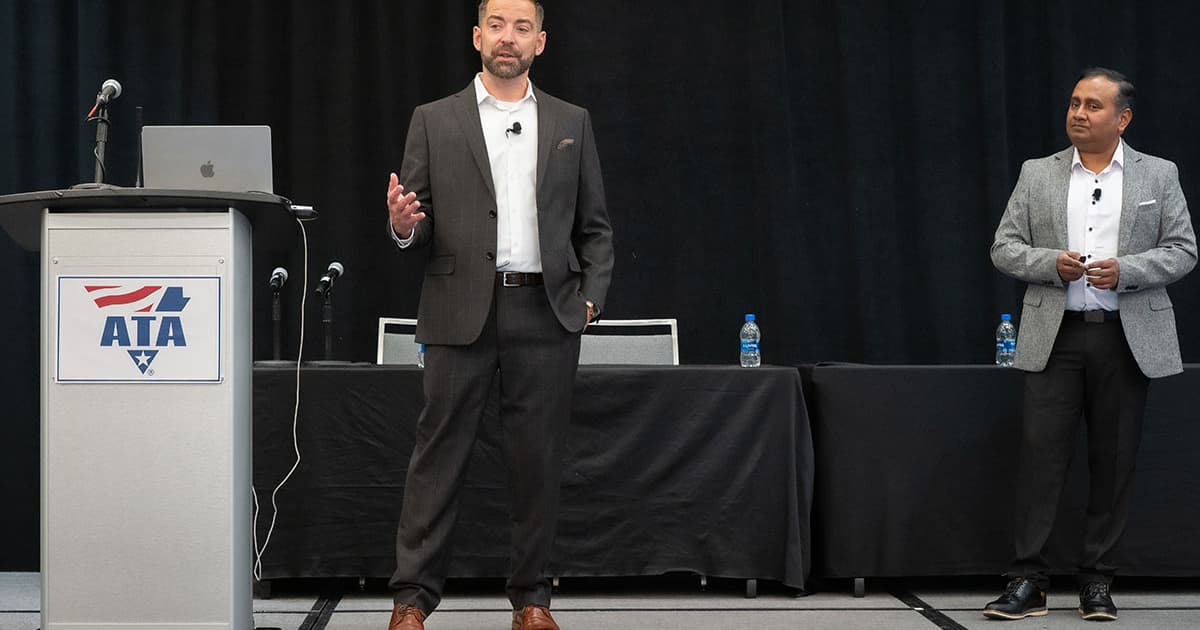
During a session at MCE, Michael Lasko of Boyle Transportation discussed a safety strategy for truck drivers that integrates both in-cab and out-of-cab experiences. The core of this methodology is building trust between drivers and their coaches.
This approach suggests that effective driver coaching should move away from solely disciplinary actions. Instead, it advocates for a supportive environment where drivers feel comfortable receiving feedback and engaging in open dialogue about their performance and challenges. This fosters a culture of continuous learning and improvement, ultimately enhancing safety records.
For freight forwarders and logistics managers, this emphasis on trust in driver coaching can lead to more reliable and safer road freight operations. Improved driver safety directly translates to fewer incidents, reduced cargo damage, and more consistent transit times. This can positively impact supply chain predictability and customer satisfaction, as goods are transported more securely and efficiently. Investing in such coaching can also reduce insurance costs and operational disruptions.
The discussion indicates a shift towards more empathetic and collaborative methods in driver management, which could become a standard practice in the industry to address safety and retention challenges.