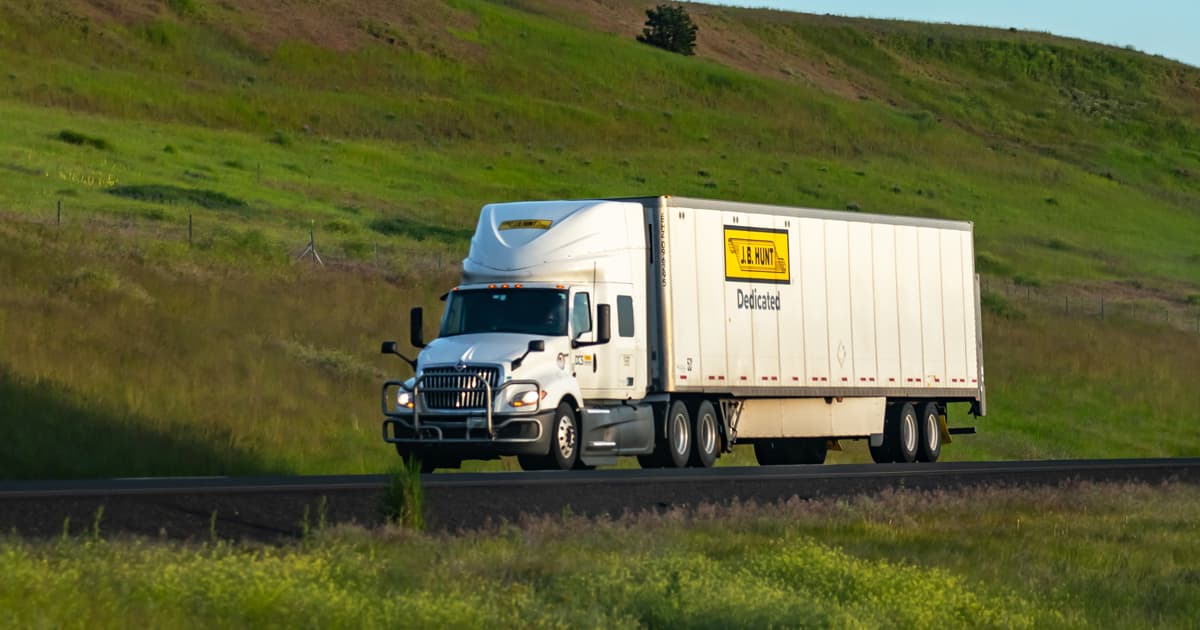
Trucking companies are strategically increasing driver compensation in particular geographic areas as a direct response to the persistent difficulty in securing qualified drivers. This approach is being adopted to improve both driver retention and recruitment efforts, which are essential for sustaining operational efficiency and capacity within the road freight sector.
For freight forwarders and operations managers, this trend suggests that inland transportation costs may see upward pressure in these targeted markets. Increased driver pay, while necessary for carriers, will likely translate into higher linehaul rates for shippers and forwarders. This could impact budgeting and route planning, especially for shipments originating from or destined for regions experiencing acute driver shortages and subsequent pay hikes. Forwarders should monitor these regional pay adjustments as they could influence overall transit costs and lead times.
This development highlights the ongoing challenges in the trucking industry's labor market, where the demand for skilled drivers continues to outpace supply. Carriers are compelled to offer more competitive wages to ensure their fleets are adequately staffed and to prevent service disruptions.