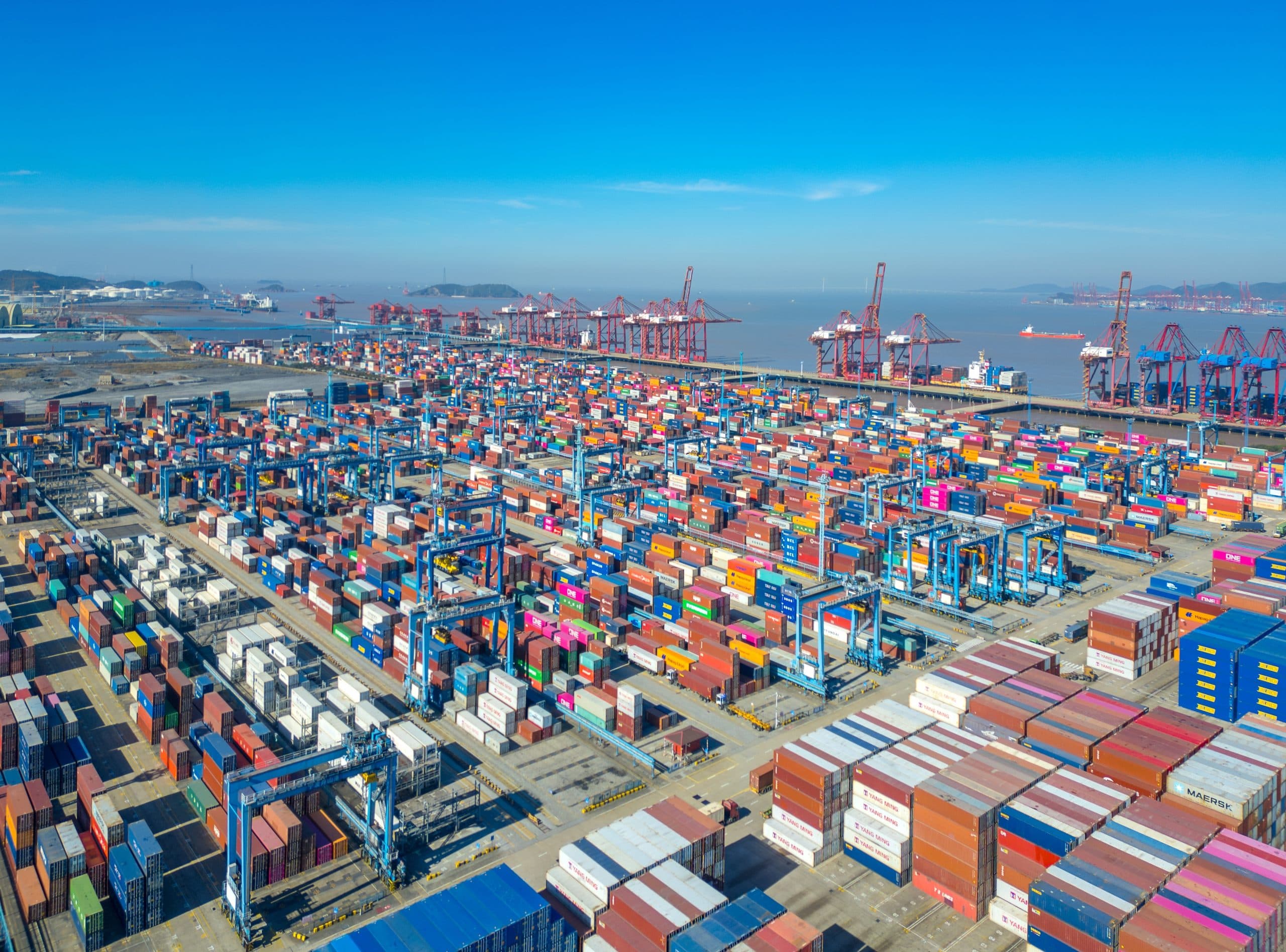
Congestion at various Asian ports, primarily triggered by the recent typhoon season, has significantly impacted global container shipping. According to Sea-Intelligence, this has led to a decrease in schedule reliability to under 50%, a level not seen since the initial phase of the pandemic. The disruption is particularly pronounced on backhaul trade routes.
This ongoing congestion is not expected to resolve quickly. Analysts anticipate that the situation will likely persist well into mid-2027, extending beyond the typical peak shipping period around Chinese New Year in February 2027.
For freight forwarders and operations managers, this prolonged congestion means continued challenges in planning and executing shipments, especially for cargo originating from or transiting through Asian ports. Expect potential delays, increased transit times, and possible shifts in carrier service reliability. Capacity on backhaul routes may remain constrained, potentially affecting rates and equipment availability. Proactive communication with shippers and carriers, along with flexible routing strategies, will be crucial to mitigate impacts.
There is no specific information in the source about what steps carriers or ports are taking, or what the next developments might be.