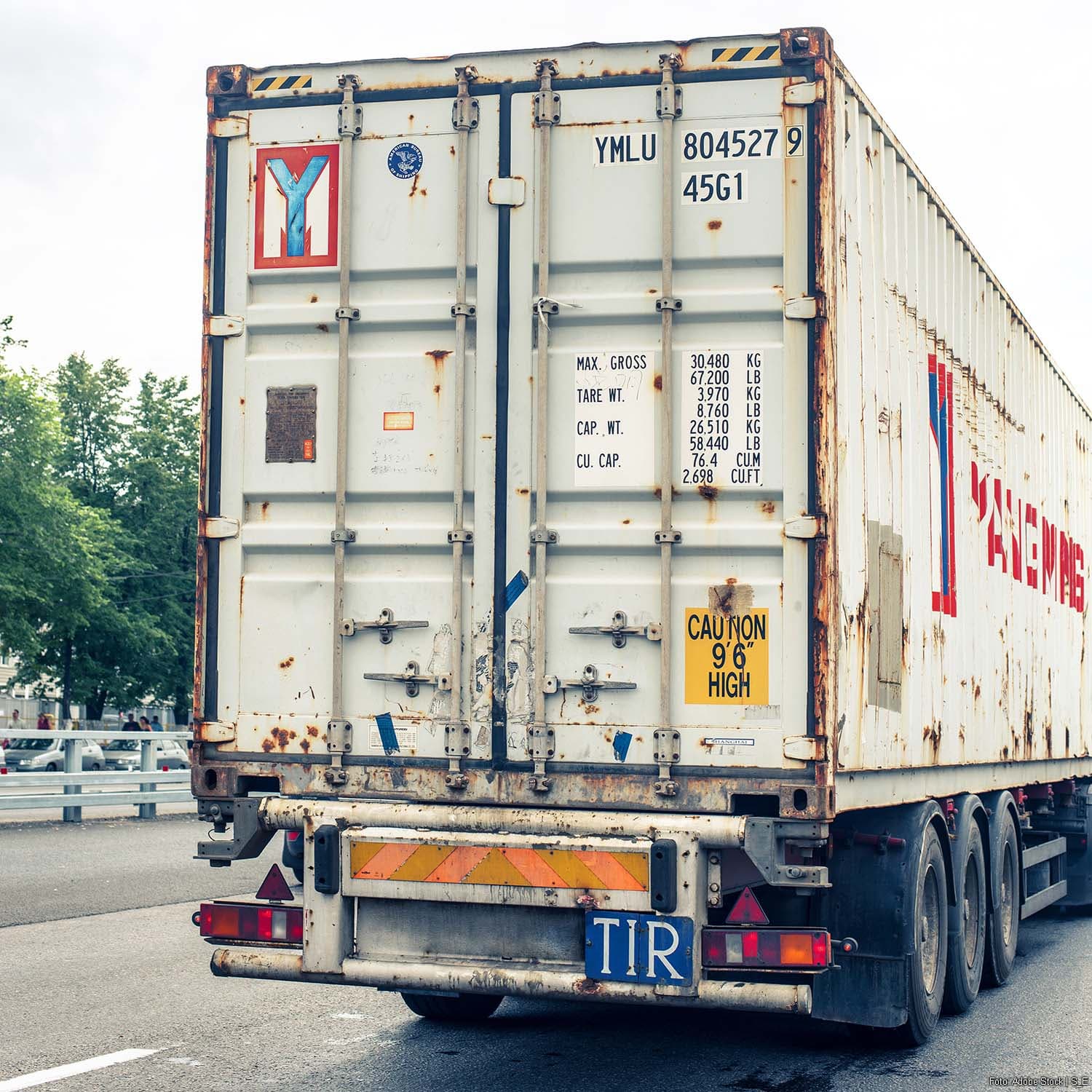
US shippers are significantly expanding their use of in-house truck fleets, a move driven by increasing trucking expenses and higher fuel costs. This strategic shift involves a deeper integration of these private fleets into overall supply chain planning, aiming to enhance operational control and efficiency.
The current environment, characterized by a shortage of available truck capacity, is anticipated to further accelerate this trend. By operating their own fleets, shippers can gain more direct control over their transportation logistics, potentially reducing their dependence on third-party carriers and mitigating the impact of market fluctuations in freight rates and capacity availability.
For freight forwarders and logistics managers, this development suggests a potential shift in the domestic US trucking landscape. While it may reduce the volume of certain types of freight available to external carriers, it also highlights the critical need for robust, flexible transportation solutions. Forwarders might need to adapt by focusing on specialized services, intermodal solutions, or by partnering with shippers to manage overflow and less predictable routes that private fleets may not cover. Understanding the operational capabilities and limitations of these private fleets will be key to optimizing routing and capacity planning for remaining freight.