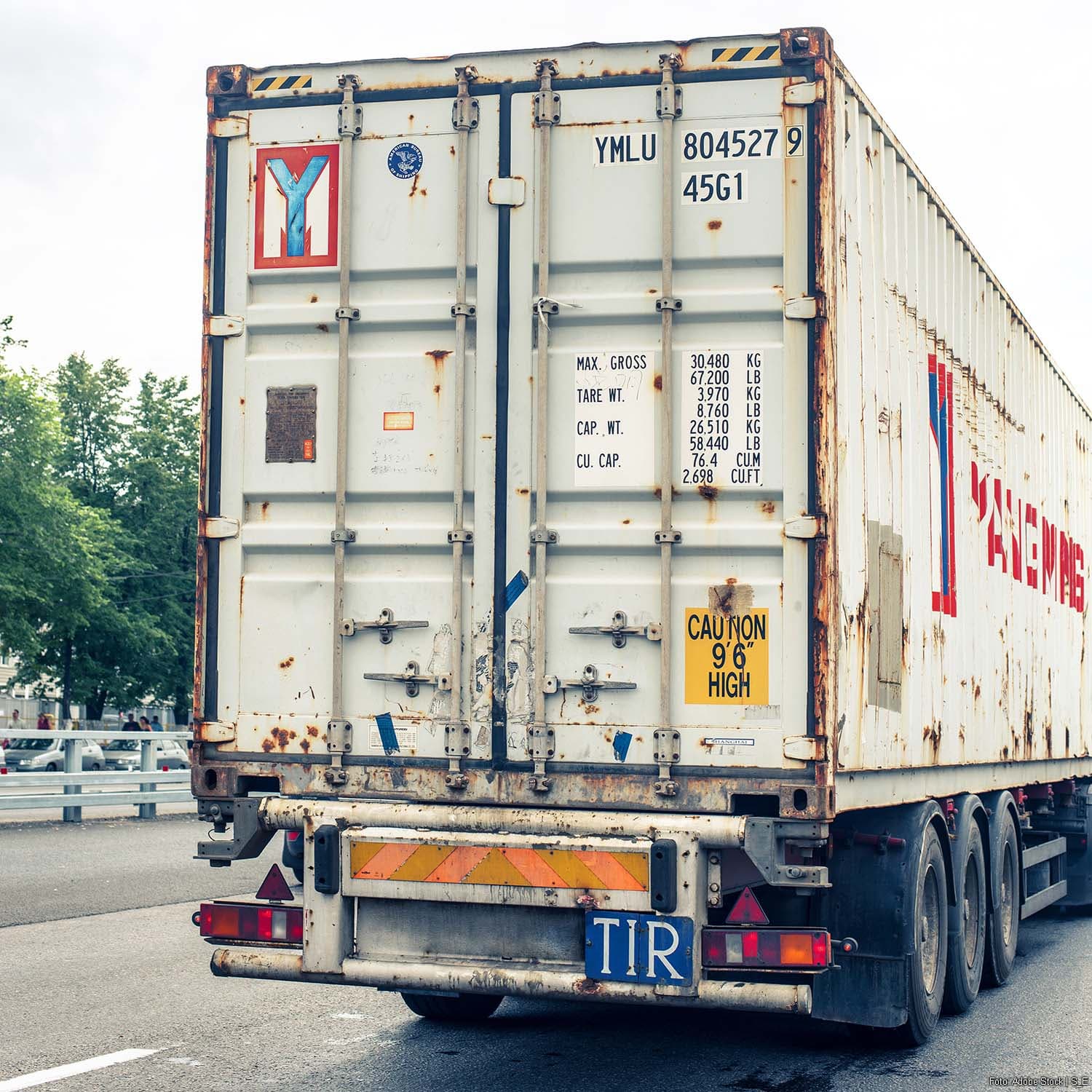
Over 3,700 trucks operating under the international TIR customs system are actively engaged in transporting goods from China to Central and Eastern Europe. These vehicles traverse more than 120 distinct routes, navigating over 60 border crossings through Central Asia, the Caucasus region, and Turkey.
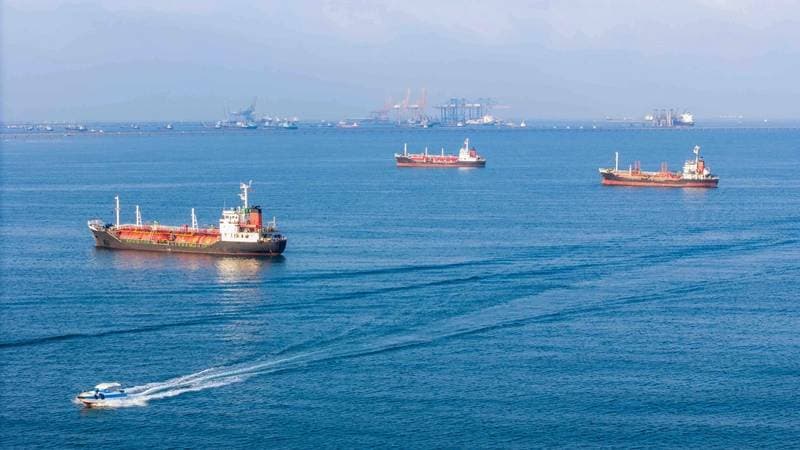
This expansion highlights a growing reliance on road transport for trade between China and Europe, offering an alternative to traditional sea and rail routes. The International Road Transport Union (IRU) suggests that this freight volume could increase further if participating countries streamline their customs procedures and reduce administrative hurdles.
For freight forwarders and operations managers, this development signifies increased capacity and potentially more flexible routing options for cargo moving between Asia and Europe. The direct road connection can offer faster transit times compared to sea freight and greater door-to-door flexibility than rail, particularly for time-sensitive or specialized shipments. However, forwarders must consider the complexities of multiple border crossings and varying national regulations, which can impact lead times and costs. Improved customs efficiency, as advocated by IRU, would directly benefit forwarders by reducing delays and enhancing predictability.
Continued growth in this sector will depend on ongoing efforts to harmonize customs processes and improve infrastructure along these extensive road corridors.