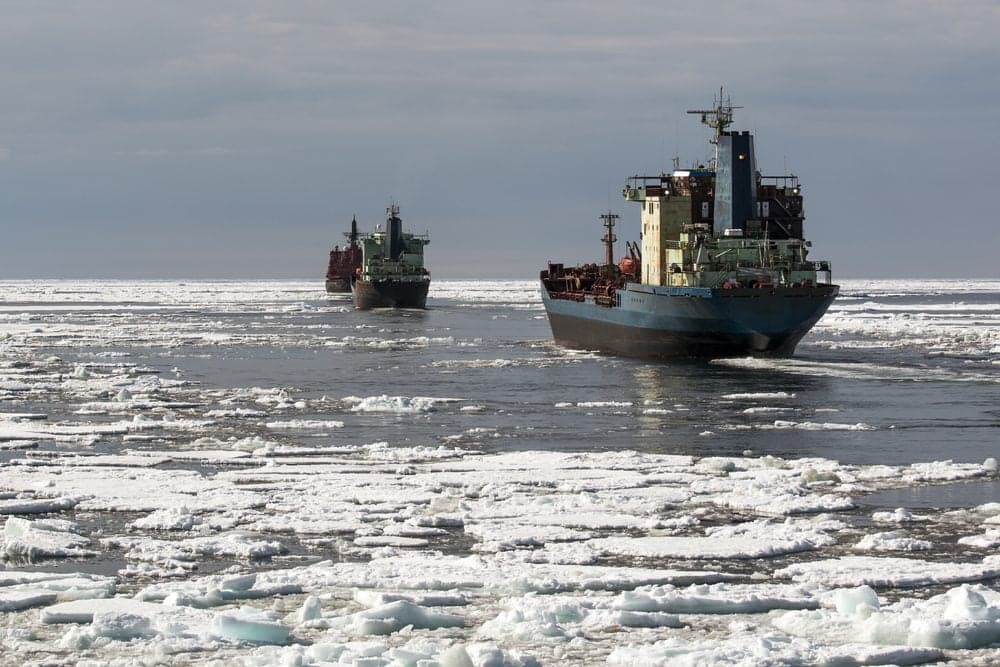
Russia's Arctic port of Murmansk is preparing to initiate grain exports from southern Russia, potentially starting next month. The port intends to repurpose existing equipment typically used for loading fertilizers to handle grain shipments. This operational adjustment is a direct consequence of the continued closure of the Black Sea route, which has been rendered unsafe for commercial shipping due to persistent Ukrainian drone attacks.
For freight forwarders and operations managers, this development signifies a potential new routing option for Russian grain, which has been severely constrained by the conflict. While Murmansk offers an alternative, the logistics of transporting grain from southern Russia to an Arctic port, and then onward via potentially longer sea routes, could introduce increased transit times and higher operational costs. Forwarders should monitor the efficiency and capacity of this new setup, as well as the impact on global grain supply chains and pricing. The shift highlights the ongoing challenges in maintaining stable trade routes amidst geopolitical conflicts, forcing creative solutions for commodity exports.