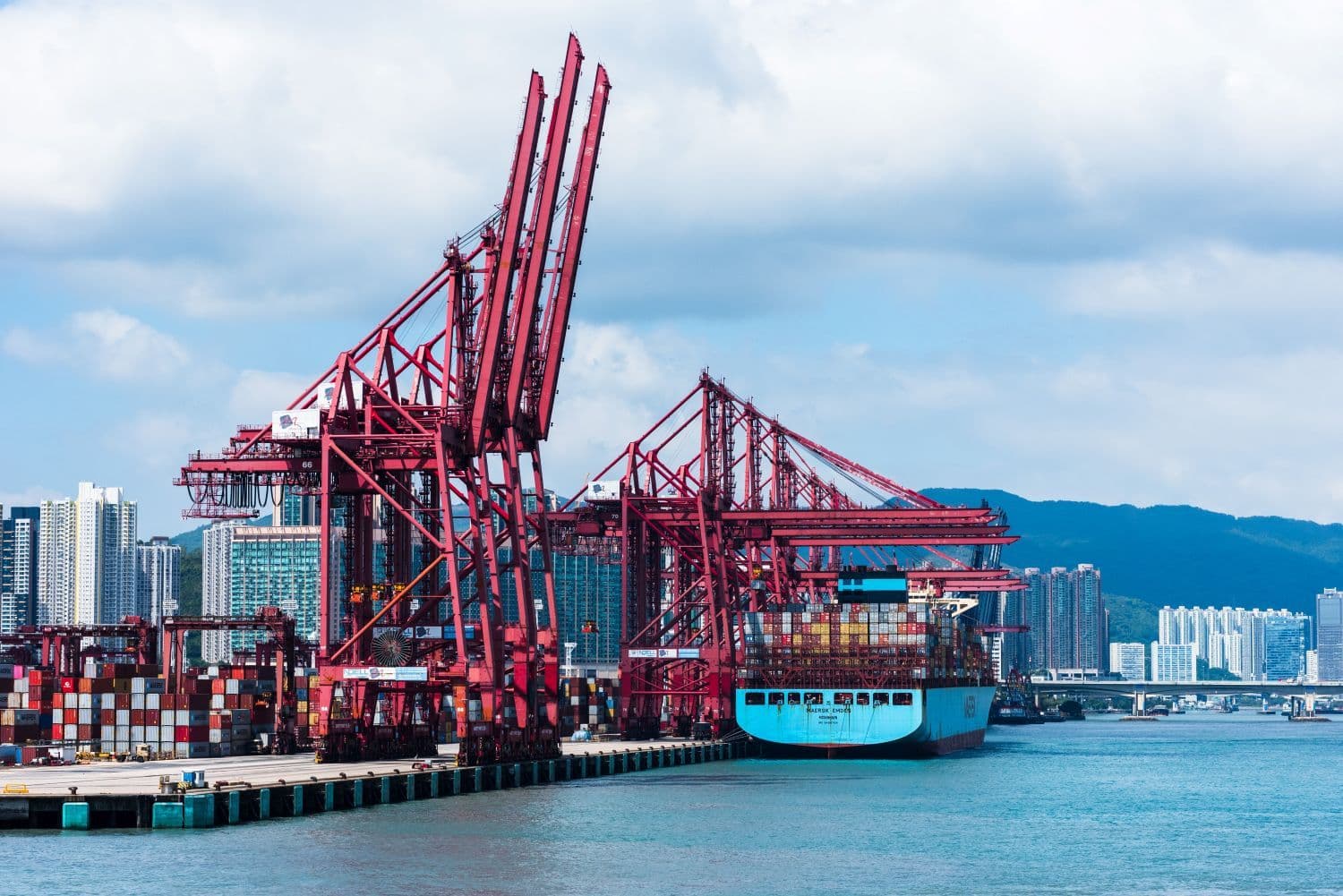
Hong Kong's government leader, John Lee Ka-chiu, has announced a comprehensive five-year strategy designed to address the port's decreasing container throughput. Key elements of this plan include strengthening sea-rail intermodal links and expanding refrigerated cargo services, particularly targeting routes to South America.
This strategic pivot comes as Hong Kong's port has experienced a decline in container volumes, prompting the need for proactive measures to enhance its competitiveness. The proposed initiatives are part of a broader effort to modernize infrastructure and diversify service offerings.
For freight forwarders and shippers, these developments could lead to more efficient and potentially cost-effective routing options for cargo moving through Hong Kong, especially for temperature-controlled goods destined for or originating from South America. Improved sea-rail connections could streamline inland distribution within China, reducing transit times and improving supply chain predictability. The focus on reefer services suggests increased capacity and specialized handling for perishable goods, which could benefit food and pharmaceutical logistics.
The government's plan indicates a commitment to investing in critical logistics infrastructure, which may lead to a more robust and resilient port ecosystem in Hong Kong. The success of these initiatives will depend on their effective implementation and market adoption.