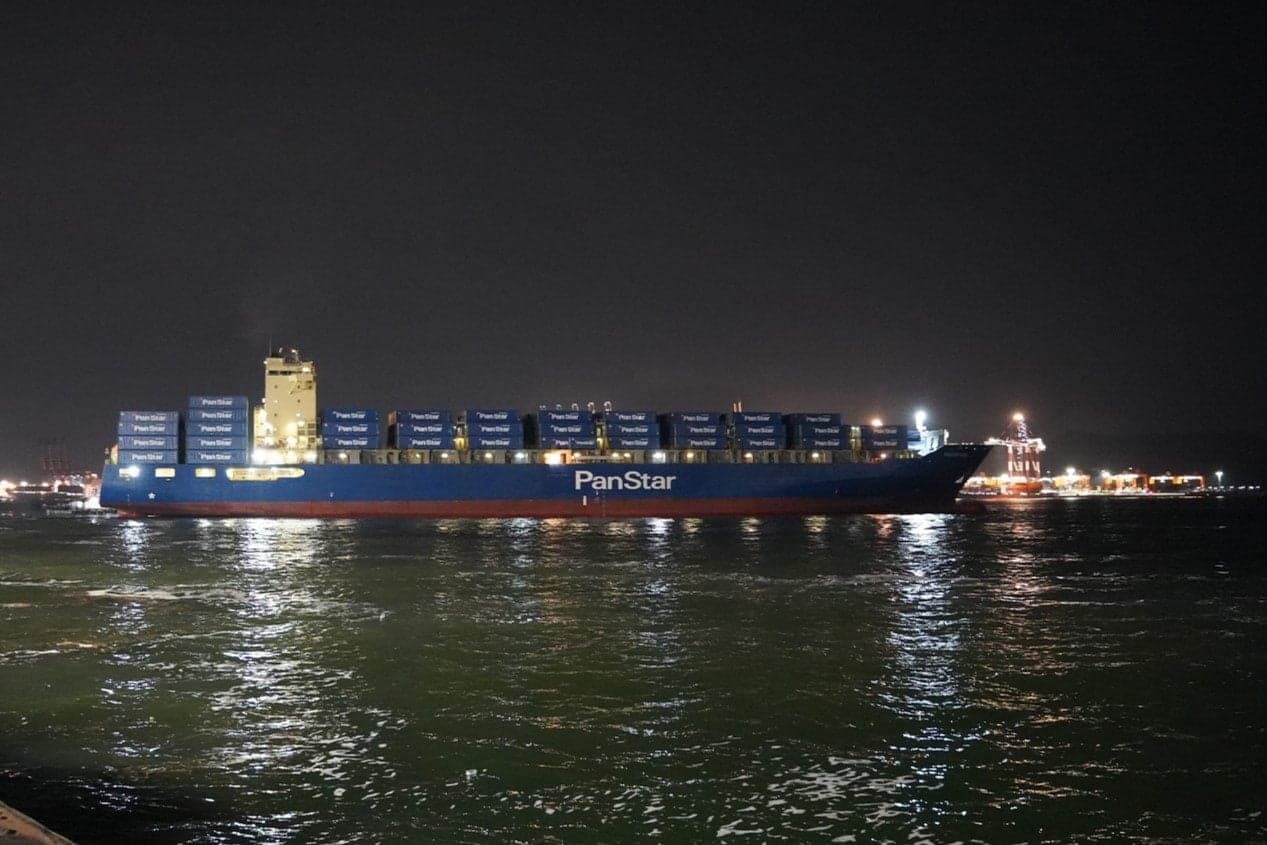
South Korea's initial commercial container trial utilizing the Northern Sea Route (NSR) in the Arctic transported only 737 TEUs of cargo. This figure represents a considerable shortfall from the projected 1,300 TEUs, underscoring the ongoing challenge of attracting adequate freight volumes to establish new services along this northern passage.
For freight forwarders and operations managers, this development suggests that the Arctic route, while offering potential transit time reductions, is not yet a viable or consistent option for mainstream containerized cargo. The low cargo uptake indicates that shippers are either not yet convinced by the route's benefits, or that the logistical complexities and perceived risks (e.g., ice navigation, limited infrastructure, insurance) still outweigh the advantages. Forwarders should continue to view the NSR as a niche or experimental route rather than a reliable alternative for Asia-Europe trade lanes in the immediate future. Capacity on traditional routes will remain unaffected by this trial's outcome, and rates are unlikely to see any downward pressure from Arctic competition soon.
The trial's results imply that further efforts are needed to build confidence and demand for Arctic shipping, potentially through more robust infrastructure, clearer operational guidelines, and competitive pricing structures. Until these factors are addressed, the NSR will likely remain a marginal route for specific types of cargo or specialized projects.