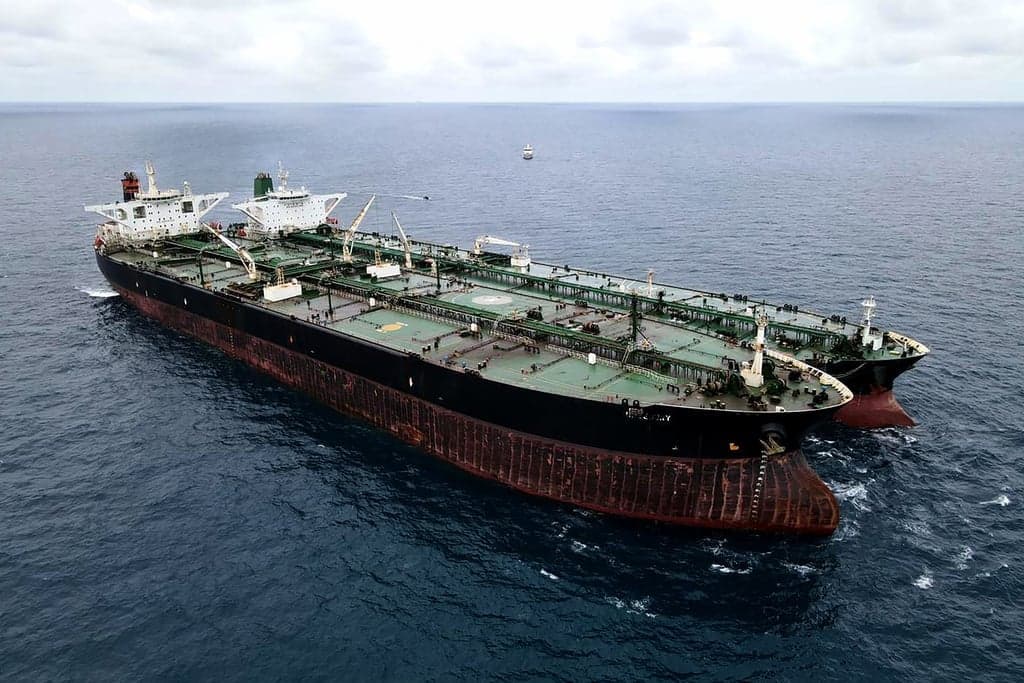
Russia has recently completed two clandestine ship-to-ship (STS) transfers of crude oil in the Sea of Japan. These transfers involved cargoes that had previously transited the Northern Sea Route, indicating an evolving strategy to move Russian oil to destinations in Asia while circumventing sanctions and increasing transparency challenges. The practice of "dark" STS transfers involves vessels disabling their Automatic Identification System (AIS) transponders, making their movements untraceable and obscuring the origin and destination of the cargo.
For freight forwarders and supply chain analysts, these developments highlight the ongoing complexities and risks associated with Russian oil movements. The use of the Northern Sea Route, while potentially offering shorter transit times to Asia, introduces unique operational challenges due to Arctic conditions. The subsequent dark STS transfers further complicate risk assessment, cargo insurance, and compliance checks, making it difficult to verify the legitimacy of the cargo and the vessels involved. This could lead to increased scrutiny for any entity inadvertently involved in the onward movement of such shipments.
These activities are a direct consequence of international sanctions imposed on Russia, which have forced the country to find alternative shipping routes and methods to maintain its oil exports. The expansion of this "shadow fleet" and its operational tactics, such as dark STS transfers, are expected to continue as Russia seeks to adapt to the geopolitical landscape and maintain its energy trade.