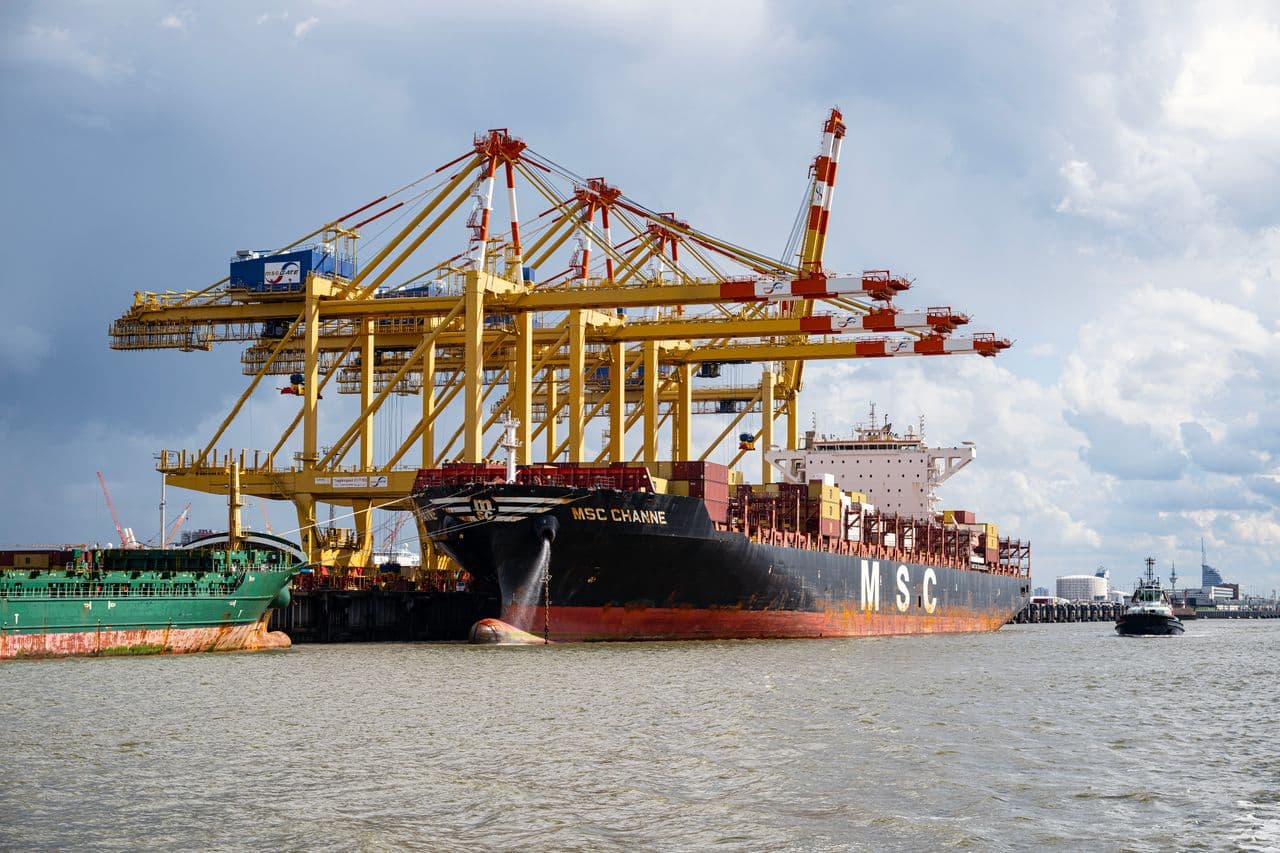
Recent analysis from SeaIntelligence indicates a substantial divergence in container carrier networks operating between Asia and Europe. The data highlights that 65% of direct port-to-port connections within this trade lane are serviced by only one specific carrier network. MSC currently commands the largest portion of these unique direct port pairs.
This trend suggests a strategic reshaping of how carriers approach direct connectivity, terminal planning, and competition within the highly contested Asia-Europe container shipping market. The increasing specialization in direct routes by individual networks could lead to more tailored services but also potentially limit options for shippers on certain specific port pairs.
For freight forwarders and operations managers, this divergence means a more complex landscape when planning shipments. It emphasizes the need for thorough research into which carriers offer direct services for specific origin-destination pairs, as options may be more limited than previously assumed. This could impact transit times, pricing, and the flexibility to choose between multiple carriers for certain routes. Forwarders might need to leverage transshipment options more frequently if their preferred direct service is not available or competitive.
This development could also intensify competition for market share on the remaining overlapping routes, potentially influencing future rate structures and service offerings.