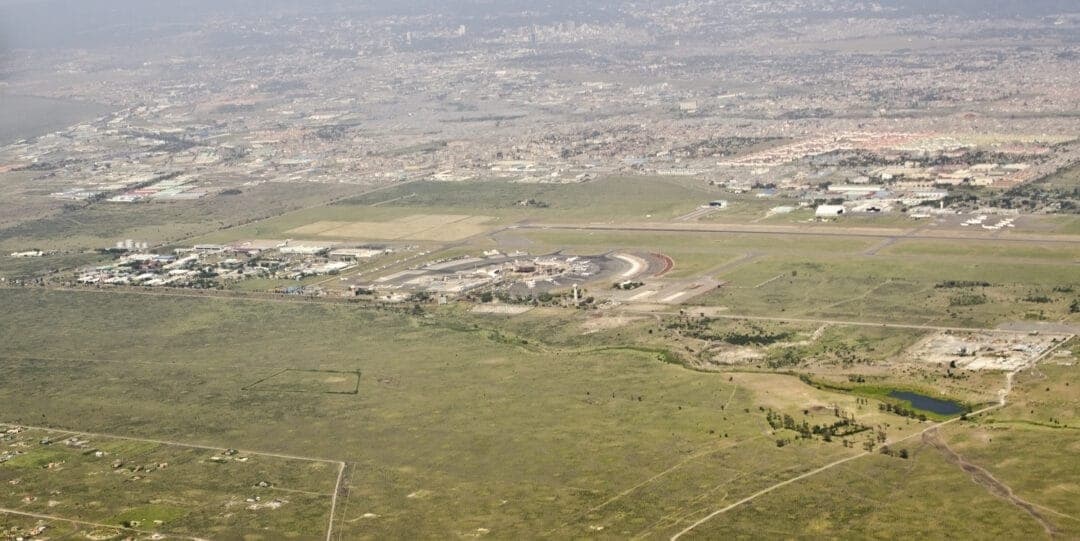
A recent strike within Kenya's aviation sector, specifically impacting operations at Jomo Kenyatta International Airport (JKIA) in Nairobi, has underscored the inherent vulnerabilities of East Africa's air cargo supply chain. The airport, a critical hub for the region, handles between 5,500 and 7,000 tonnes of cargo weekly. Such disruptions can rapidly lead to substantial backlogs and increased operational costs, particularly for highly time-sensitive goods like fresh flowers and agricultural produce destined for international markets.
For freight forwarders and operations managers, this event highlights the need for robust contingency planning when utilizing JKIA as a gateway. The limited availability of spare aircraft capacity among regional carriers means that rerouting, deploying replacement aircraft, or scheduling additional services to mitigate strike impacts is challenging. This can result in extended transit times, potential spoilage of perishable goods, and increased demurrage or storage charges. Forwarders should assess alternative routing options and consider the implications for their clients' supply chains, especially those reliant on East African exports.
The incident suggests that disruptions at key regional hubs like JKIA can have a cascading effect across the broader East African air cargo network. While the source does not specify the duration or exact nature of the strike, its impact on cargo flow points to a systemic fragility that requires attention from logistics providers and shippers alike.