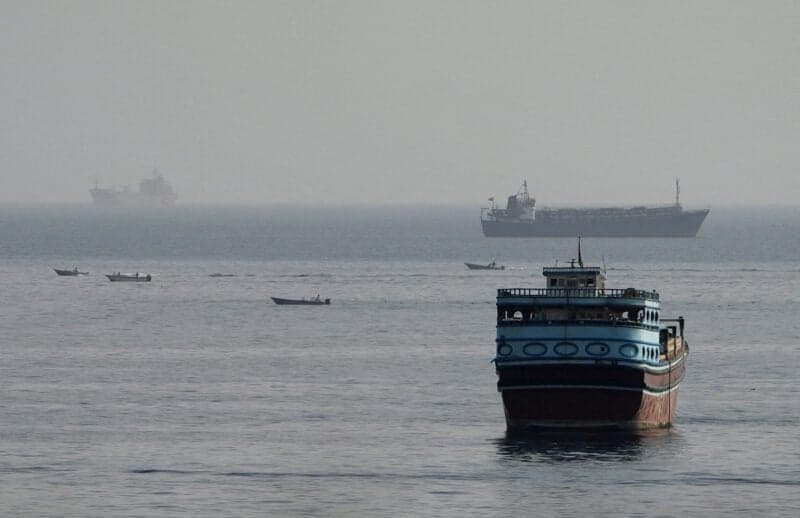
Global tanker freight rates have significantly increased, reaching record levels with no immediate signs of abatement. This escalation indicates a deepening strain within the international oil markets.
The primary driver behind this surge is the protracted conflict in the Persian Gulf region. This geopolitical instability necessitates complex workarounds and adjustments for all stakeholders involved in the oil supply chain, including traders, shipowners, producers, and buyers.
For freight forwarders and operations managers, this situation translates into higher transportation costs for crude oil and refined products. The increased rates will likely impact the overall cost of goods, potentially leading to higher prices for consumers. Furthermore, the need for complex workarounds may introduce delays and require more flexible scheduling and routing, demanding greater operational agility and potentially impacting lead times. Forwarders should anticipate continued volatility in tanker rates and plan for potential disruptions in oil supply routes.
Given the ongoing nature of the conflict, these elevated rates and operational complexities are expected to persist, influencing global energy prices and logistics planning for the foreseeable future.