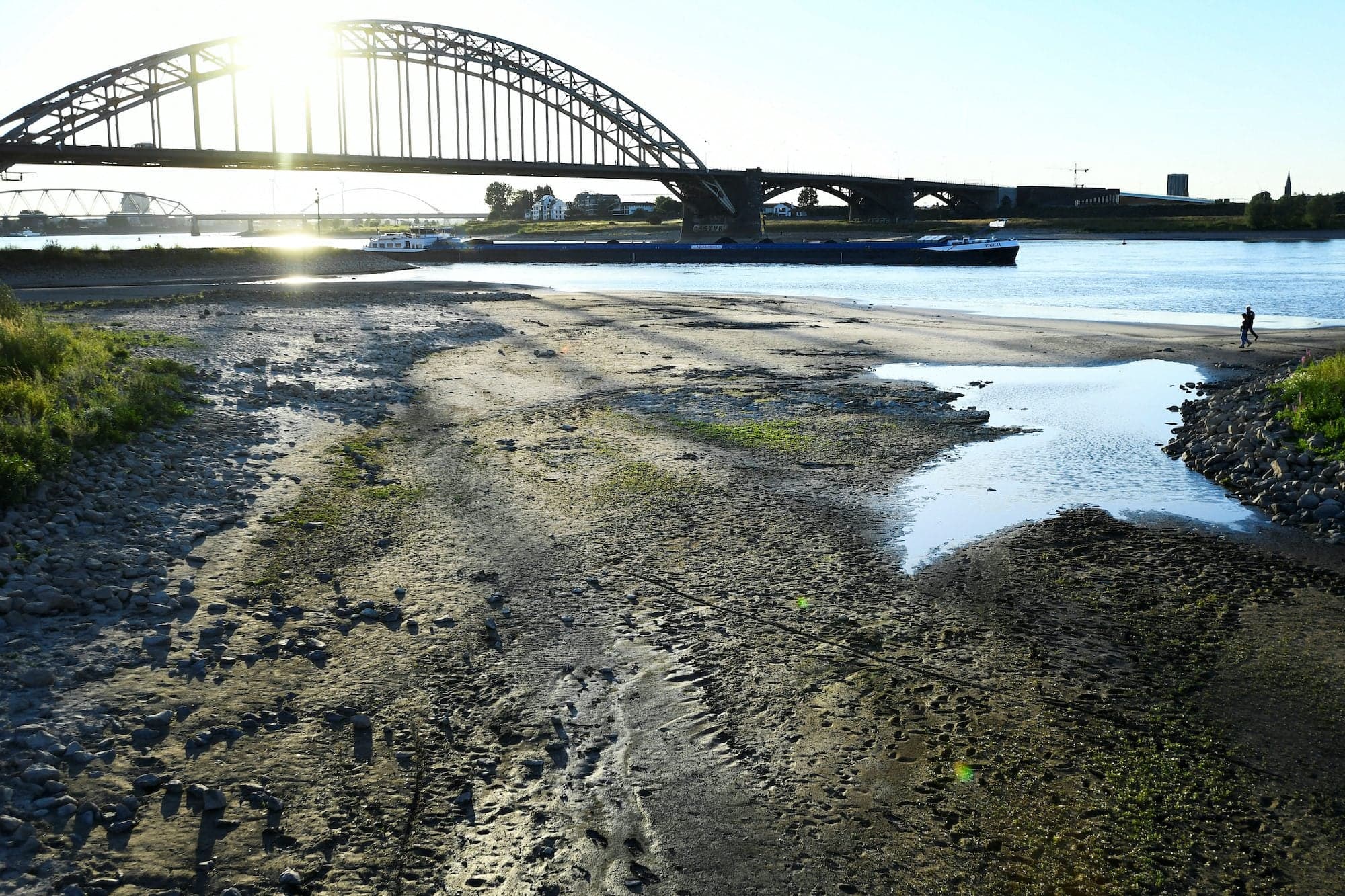
The Rhine River, a critical waterway for European freight, is experiencing consistently low water levels, necessitating significant operational adjustments from shipping and logistics firms. This ongoing challenge has led some companies to invest in specially designed vessels capable of navigating shallower drafts, ensuring continued transport capabilities. The situation is not merely a temporary disruption but is increasingly viewed as a "new normal," requiring long-term strategic responses.
For freight forwarders and supply chain managers, this development means potential increases in transportation costs and extended transit times for cargo moving through the Rhine. Reduced vessel capacity due to lighter loading requirements, or the need to switch to alternative, often more expensive, modes like road or rail, directly impacts operational planning and profitability. Forwarders must factor these constraints into their routing and pricing strategies, communicating potential delays and cost implications to shippers.