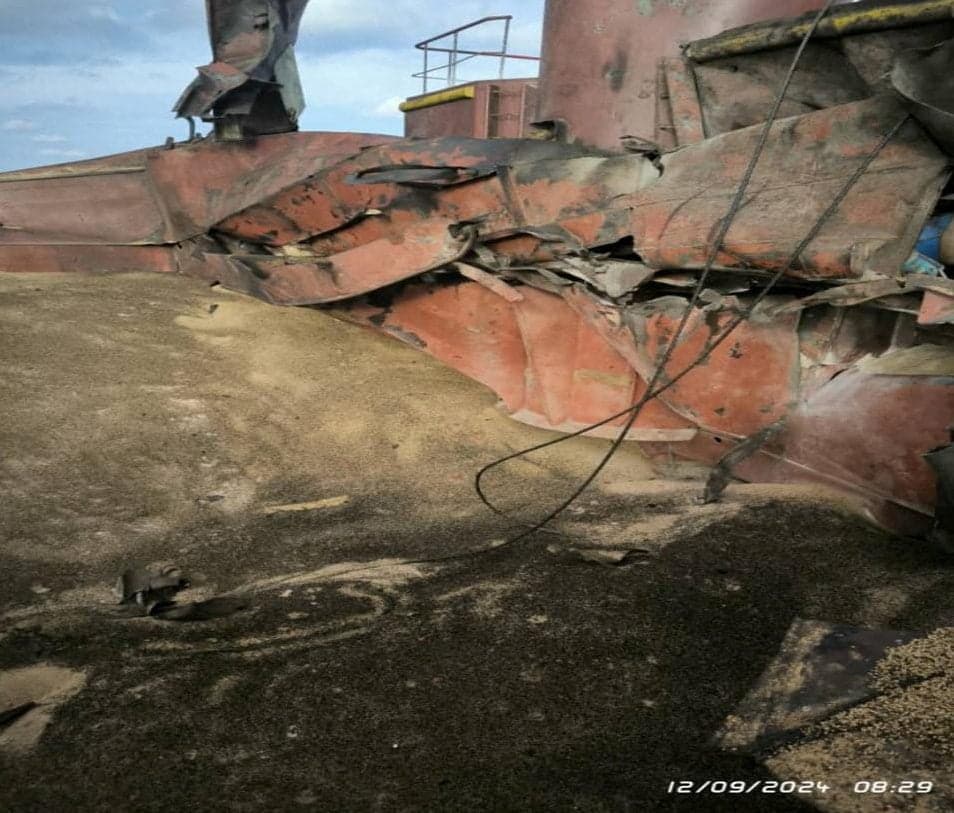
Russia has announced its capability to swiftly restore up to 80% of its grain terminal operations in the Black Sea and Sea of Azov, provided that military hostilities in the region cease. This statement suggests a readiness to re-engage in large-scale grain exports if diplomatic efforts lead to a de-escalation of the conflict.
This development is critical for freight forwarders and shippers involved in agricultural commodities. A significant increase in Russian grain exports would likely boost demand for bulk carriers in the Black Sea region, potentially affecting freight rates and vessel availability. Forwarders should monitor the geopolitical situation closely, as any resolution could lead to a rapid shift in market dynamics for grain shipments, impacting routing decisions and capacity planning. The re-opening of these export channels would also alleviate some pressure on global food supply chains, which have been disrupted by the ongoing conflict.
Should a diplomatic breakthrough occur, the immediate impact would be a surge in available grain for export, potentially leading to increased vessel traffic through the Turkish Straits and into the Mediterranean. This could also influence insurance premiums for vessels operating in the Black Sea, which have been elevated due to war risks.