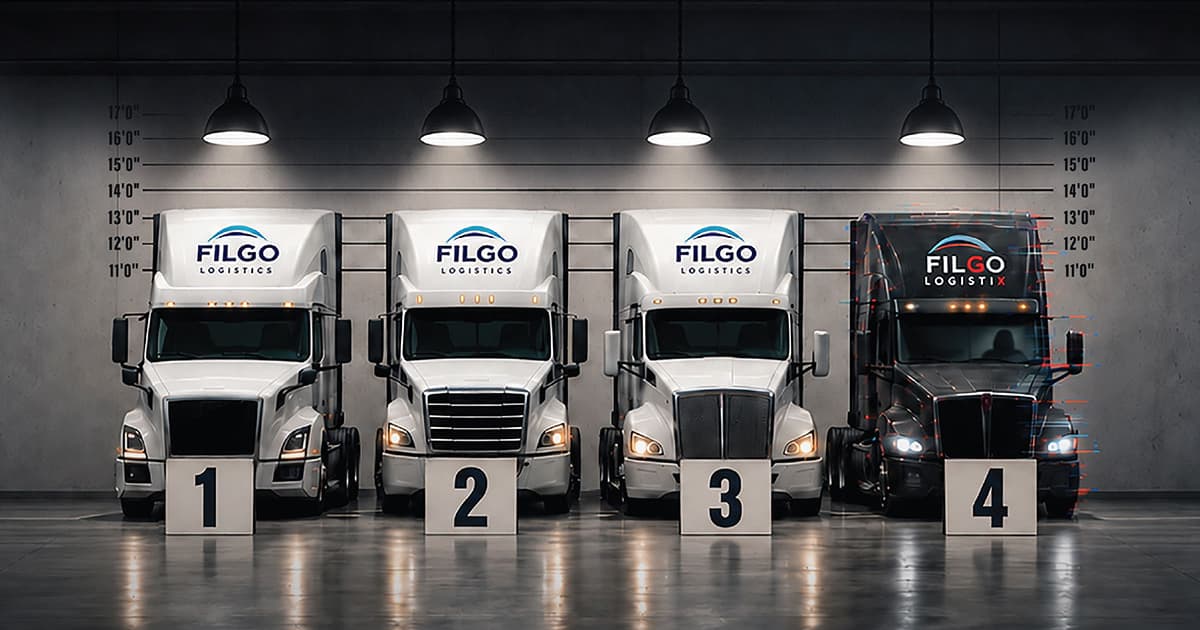
The freight forwarding and logistics industry is currently grappling with a significant increase in sophisticated cargo theft and identity fraud incidents. These criminal activities are specifically targeting high-value shipments, placing considerable pressure on freight brokers to re-evaluate and enhance their carrier vetting procedures. The rising complexity of these fraudulent schemes necessitates a more rigorous approach to ensure that only legitimate and trustworthy carriers are entrusted with cargo.
For freight forwarders and operations managers, this development means a heightened focus on due diligence when selecting road carriers. The potential for financial loss due to theft or fraud is substantial, impacting both the forwarder and their clients. Implementing advanced verification tools, cross-referencing carrier information with multiple databases, and conducting regular audits of carrier partners will become increasingly vital. This situation could also lead to increased operational costs as more resources are allocated to security and compliance. Additionally, it may influence cargo insurance premiums, as insurers adjust to the elevated risk environment.
Moving forward, the industry is expected to see a greater adoption of technology-driven solutions for carrier verification, including digital identity checks and real-time tracking systems. Collaboration between brokers, shippers, and law enforcement agencies may also intensify to combat these evolving threats more effectively.