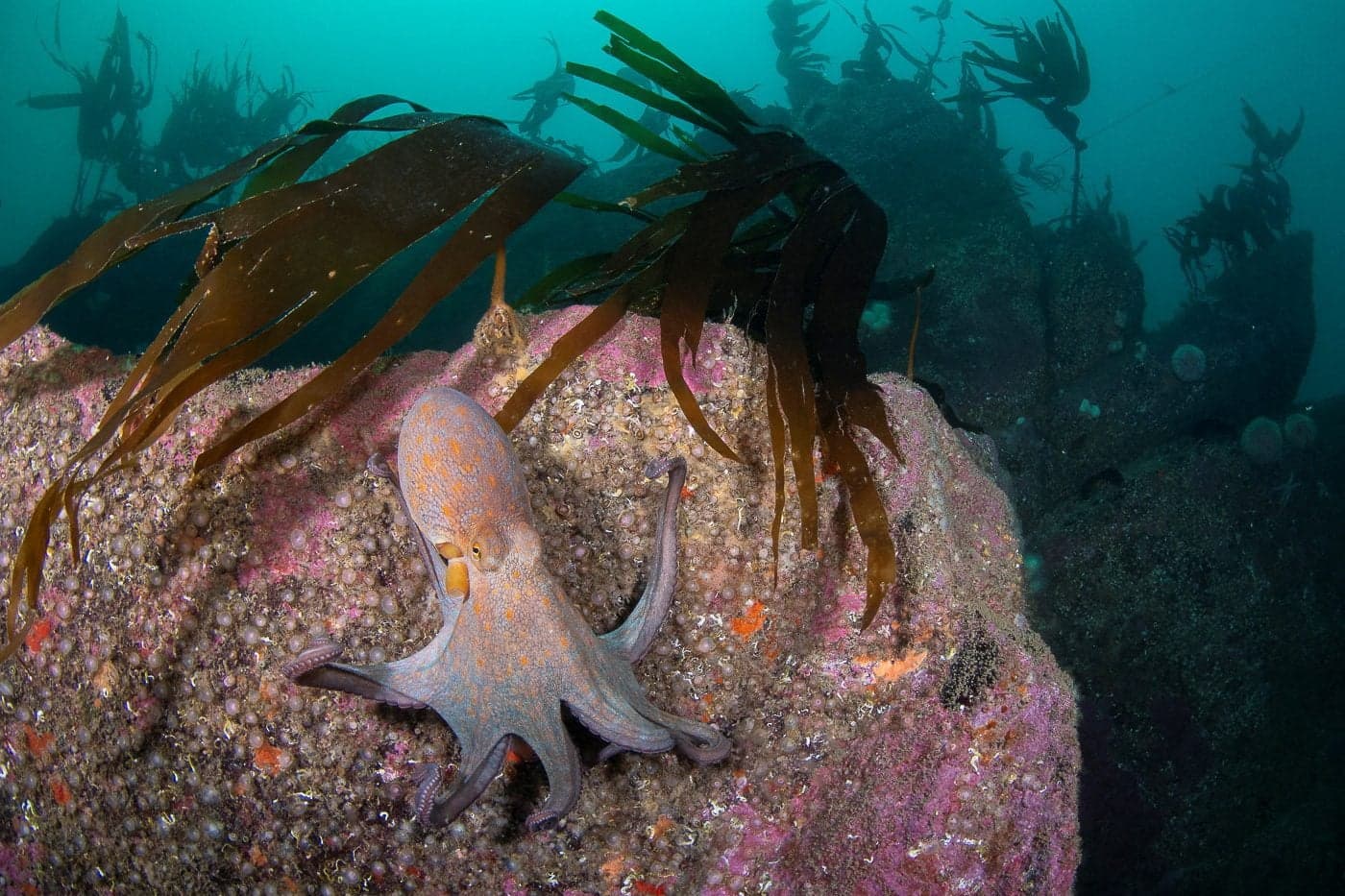
Europe is experiencing increasingly severe marine heatwaves, with sea temperatures rising significantly beyond historical averages. This phenomenon, which extends from the surface to deeper waters, is having a detrimental effect on marine life and the fishing industry across the continent.
The elevated temperatures are causing fish populations to decline, altering their migratory routes, and damaging critical habitats such as seagrass beds and coral reefs. These changes directly impact the availability of commercial fish species, leading to reduced catches and economic hardship for fishing communities.
For freight forwarders and supply chain managers, this trend could lead to shifts in the sourcing of seafood, potentially increasing reliance on imports from other regions or impacting the volume of domestically produced seafood available for transport. Changes in fish availability may also affect cold chain logistics requirements and trade routes for perishable goods. Furthermore, the broader environmental degradation could have long-term implications for maritime activities and resource management.
While the article does not specify immediate next steps, the ongoing nature of these heatwaves suggests a need for adaptive strategies in fisheries management and potential policy responses to mitigate the effects of climate change on marine environments.