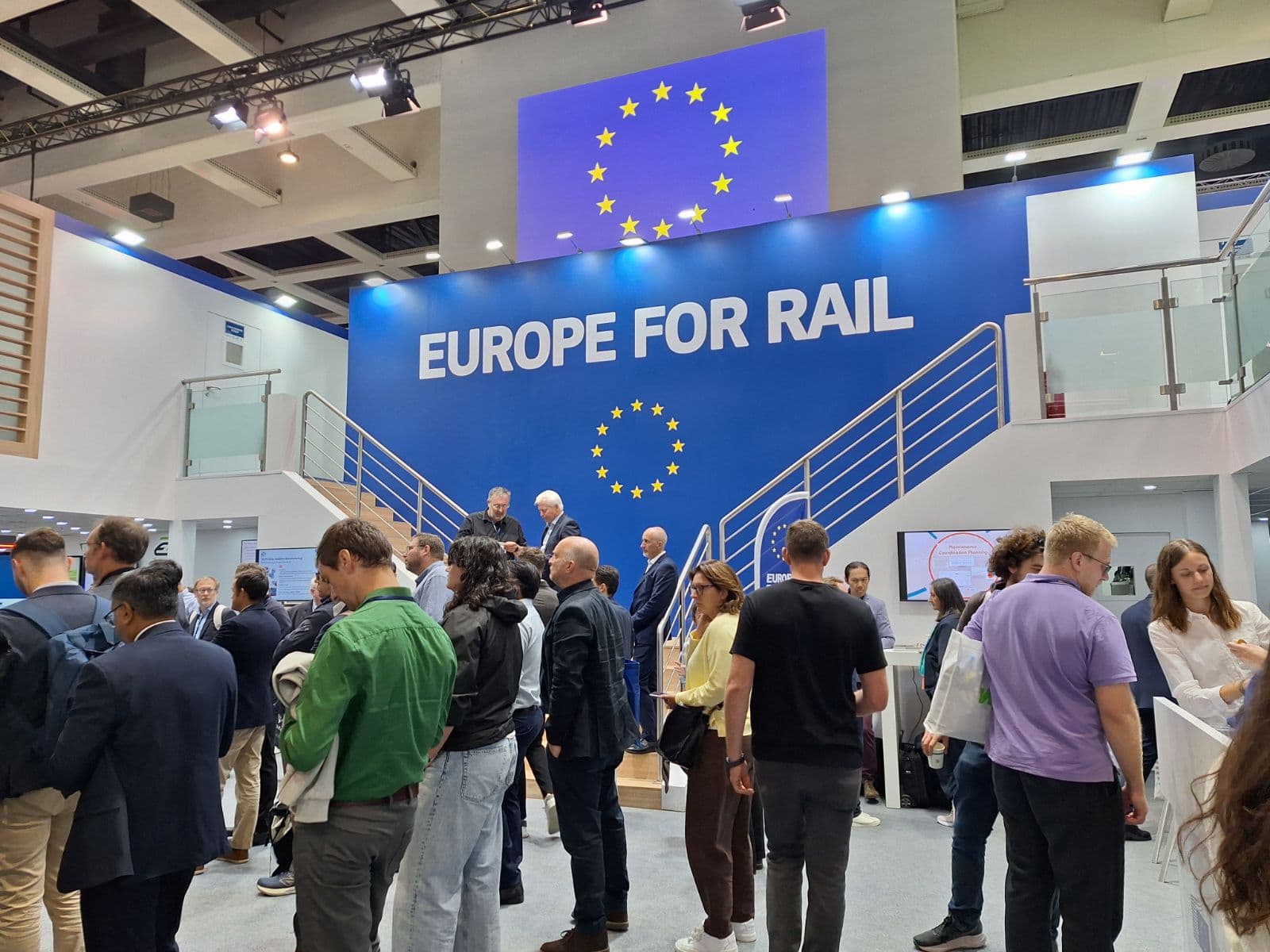
At the recent Innotrans event, a panel discussion focused on innovation within the rail freight industry, where key stakeholders emphasized the importance of a strong business case for any new development. Industry leaders, including the President of the European Rail Freight Association (ERFA), contributed to the dialogue, advocating for practical and economically sound innovations.
The discussions underscored a prevailing sentiment that while technological advancements are crucial for the future of rail freight, their adoption hinges on demonstrating clear financial returns and operational efficiencies. This perspective aims to ensure that resources are allocated to projects that will genuinely enhance competitiveness and sustainability.
For freight forwarders and operations managers, this focus on business-driven innovation means that future rail services and infrastructure improvements are likely to be more reliable and cost-effective. Investments in areas like digitalization or improved rolling stock will be justified by their ability to streamline operations, reduce transit times, or lower overall logistics costs, potentially offering more attractive alternatives for inland transport. This approach could lead to more stable pricing and better service quality in the long term, as innovations are implemented with a clear path to value.
The emphasis on a business case suggests a pragmatic approach to future rail freight development, prioritizing solutions that offer concrete benefits and contribute to the industry's overall growth and efficiency.