Y
YLOAD News
LIVE
mediumRail· 52d

DB Cargo Boosts Germany-Austria Rail Capacity by 30% with Dual Locomotives

DB Cargo is increasing its rail freight capacity by up to 30% on routes between Germany and Austria. This enhancement is achieved by deploying locomotives at both the front and rear of trains, allowing for longer and heavier compositions. This operational change aims to improve…

YN
YLOAD News Desk
Published September 25, 2026 at 09:01 AM UTC
Source: RailFreight.com
DB Cargo Boosts Germany-Austria Rail Capacity by 30% with Dual Locomotives
Y
Built for forwarders
Quote, dispatch, track and invoice in one place with YLOAD 360.

The TMS built for international freight forwarders — same vocabulary as the news you’re reading.

Try YLOAD 360

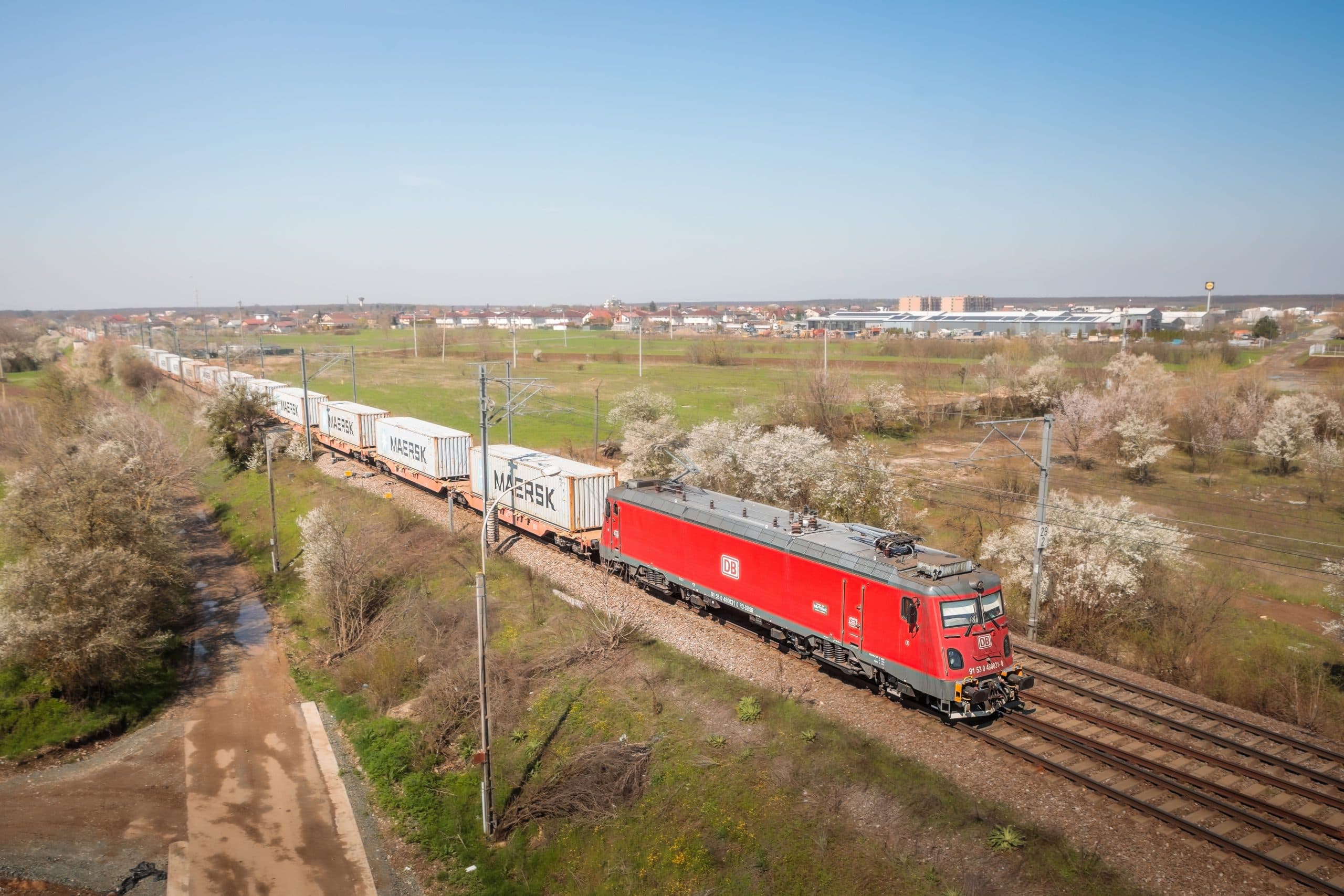
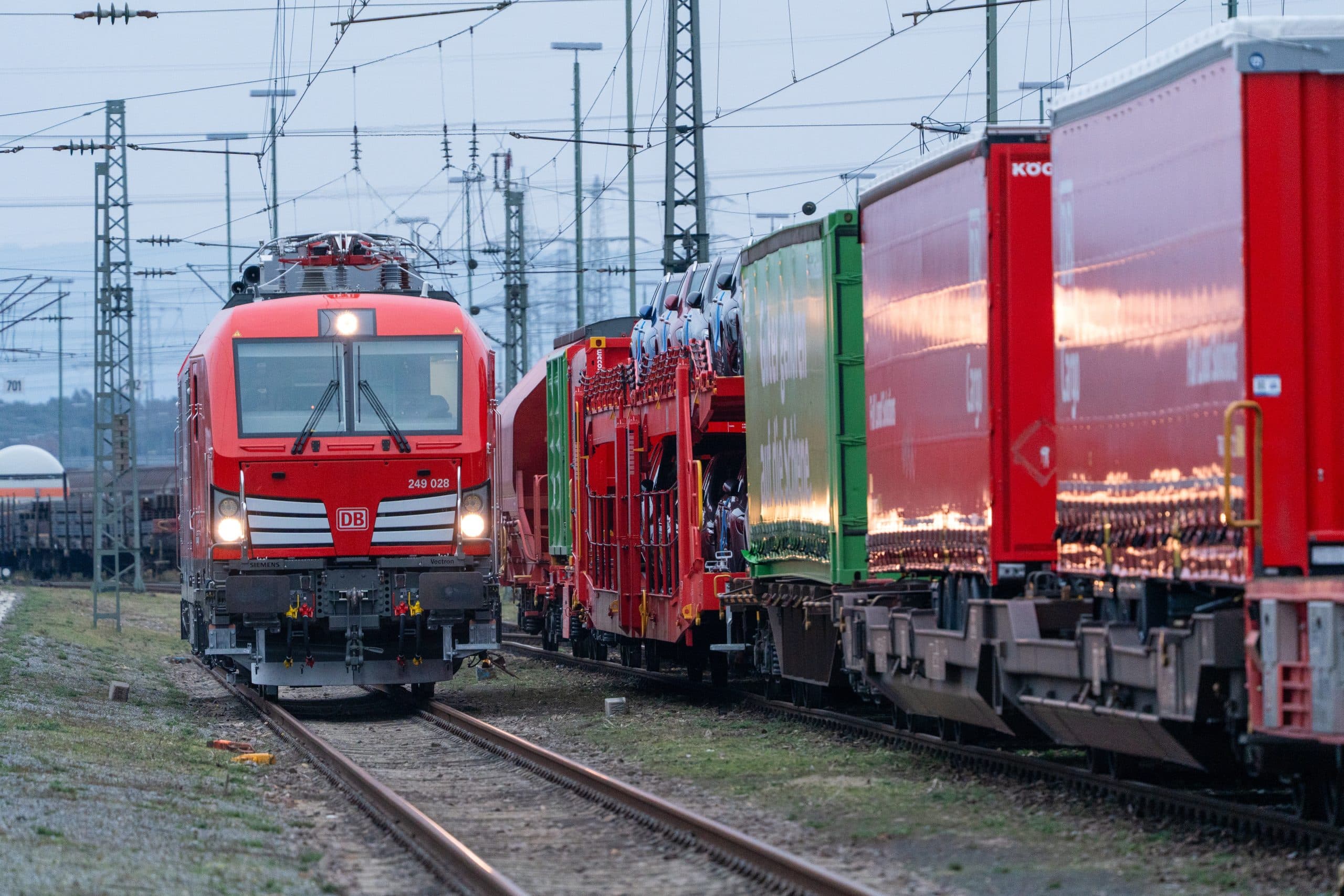
DB Cargo, Germany's national rail freight operator, is significantly expanding its industrial transport capabilities between Germany and Austria. The company is implementing a strategy to increase capacity by up to 30% by positioning locomotives at both the front and rear of its trains. This dual-locomotive configuration enables the operation of longer and heavier train compositions, thereby maximizing the volume of goods transported per journey.

This operational adjustment directly impacts freight forwarders and supply chain managers by offering increased capacity on a crucial European rail corridor. The ability to move more cargo per train could lead to improved transit times and potentially more stable pricing for rail services between these two countries. It also provides a more robust alternative for shippers looking to optimize their landside logistics, especially for industrial goods.

This initiative is expected to enhance the overall efficiency of rail freight operations on this specific route, supporting greater volumes of industrial shipments.
Original source
R
RailFreight.com
September 25, 2026 at 09:01 AM UTC
railfreight.com
Read at RailFreight.com
This summary was condensed by the YLOAD News editorial system from the original reporting by RailFreight.com. Read the original at the link above for full context, figures and quotes. See our methodology for details.
Related coverage