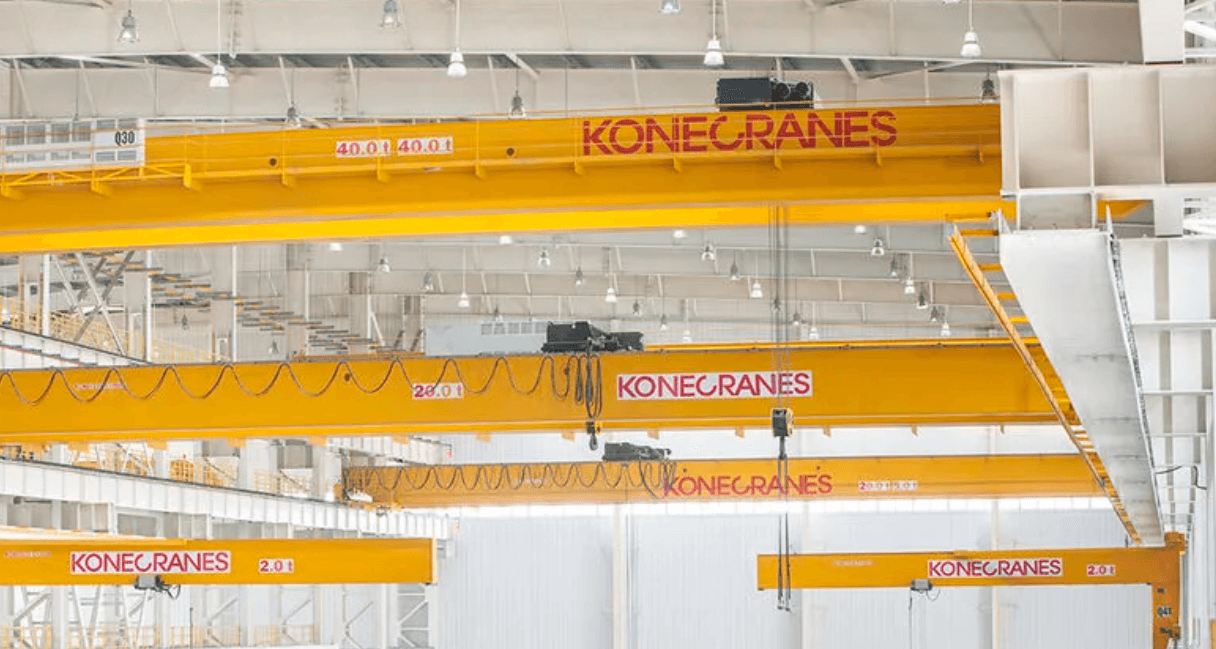
Konecranes has announced a long-term target to achieve a 90% reduction in its operational emissions by the year 2050. This ambitious goal is central to the company's sustainability strategy, which emphasizes the widespread electrification of its equipment, the integration of cleaner and more sustainable materials into its products, and the adoption of circular economy principles throughout its operations.
The initiative will impact various sectors where Konecranes' equipment is utilized, including ports, terminals, and general industrial cargo handling facilities. The company's Head of Technology, Marko Tulokas, highlighted these areas as key to achieving the significant emissions cuts.
For freight forwarders and logistics professionals, this development signals a continued shift towards greener supply chains. As equipment manufacturers like Konecranes commit to decarbonization, the availability of electric and more sustainable cargo handling solutions will increase. This could lead to lower carbon footprints for port and terminal operations, potentially influencing carrier choices and compliance with future environmental regulations. Forwarders may see an increased demand for partners who can demonstrate reduced emissions across their logistics chain, making the adoption of such technologies a competitive advantage.