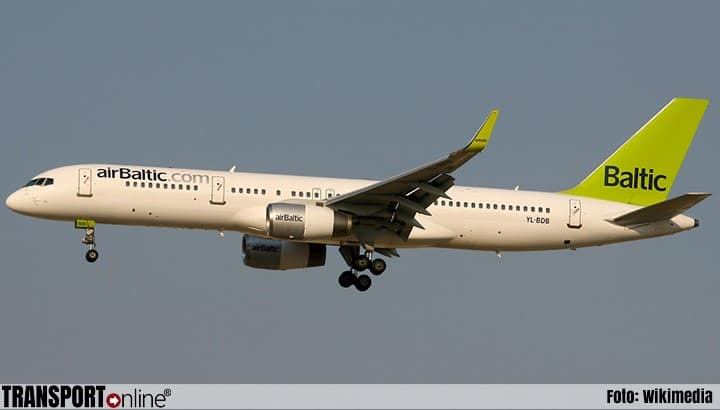
A United States court has granted Latvian airline airBaltic a moratorium on payments, a decision confirmed by Latvian Prime Minister Andris Kulbergs. The airline, which is the largest in the Baltic states, has encountered severe financial challenges primarily due to a substantial increase in fuel prices. These elevated costs are linked to the ongoing conflict in the Middle East, which has driven up global energy expenditures.
For freight forwarders and operations managers, this situation with airBaltic could signal potential disruptions in air cargo capacity, particularly for routes involving the Baltic region. While the immediate impact on cargo operations is not detailed, financial instability for a major regional carrier often leads to service adjustments, reduced flight frequencies, or even route suspensions. Forwarders should monitor airBaltic's operational status closely and consider alternative carriers for critical shipments to and from the Baltics to mitigate potential delays or capacity shortages. The broader implication is a reminder of how geopolitical events and their effect on fuel prices can quickly impact airline stability and, by extension, air cargo logistics.