The US maritime industrial base is currently experiencing significant challenges, particularly in the shipbuilding sector. Despite the immense scale of modern shipbuilding, with vessels the size of city blocks, American shipyards often lag behind international competitors in efficiency and technological adoption. The article suggests that a new approach, termed 'Physical AI,' could be the key to revitalizing this critical industry.
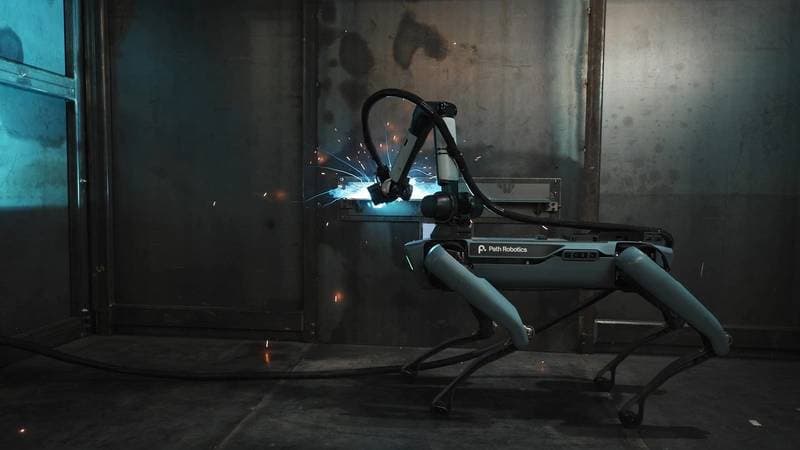
'Physical AI' refers to the convergence of artificial intelligence with advanced robotics, automation, and industrial internet of things (IIoT) technologies. This integrated system aims to create intelligent, self-optimizing manufacturing environments. In the context of shipbuilding, this means AI-driven robots performing complex welding tasks, automated material handling, predictive maintenance for machinery, and real-time data analysis to optimize production flows. Such a transformation could significantly reduce construction times, lower labor costs, and improve the overall quality and precision of shipbuilding.
For freight forwarders and supply chain professionals, a revitalized US maritime industrial base could have several implications. Increased domestic shipbuilding capacity, especially for specialized or military vessels, might reduce reliance on foreign yards, enhancing national security and potentially stabilizing certain supply chains. While direct impacts on commercial freight rates or capacity might not be immediate, a stronger domestic industry could foster innovation that eventually trickles down to commercial shipping, perhaps through more efficient vessel designs or improved port infrastructure. It could also lead to more predictable lead times for new vessel orders, benefiting carriers and, indirectly, shippers. Furthermore, the focus on advanced manufacturing could position the US as a leader in constructing next-generation, environmentally friendly vessels, aligning with global sustainability goals.
Looking ahead, the successful implementation of Physical AI would require substantial investment in technology, workforce training, and infrastructure upgrades within US shipyards. The article implies that this strategic shift is essential for the US to regain its competitive edge in maritime manufacturing and support its naval and commercial shipping needs.