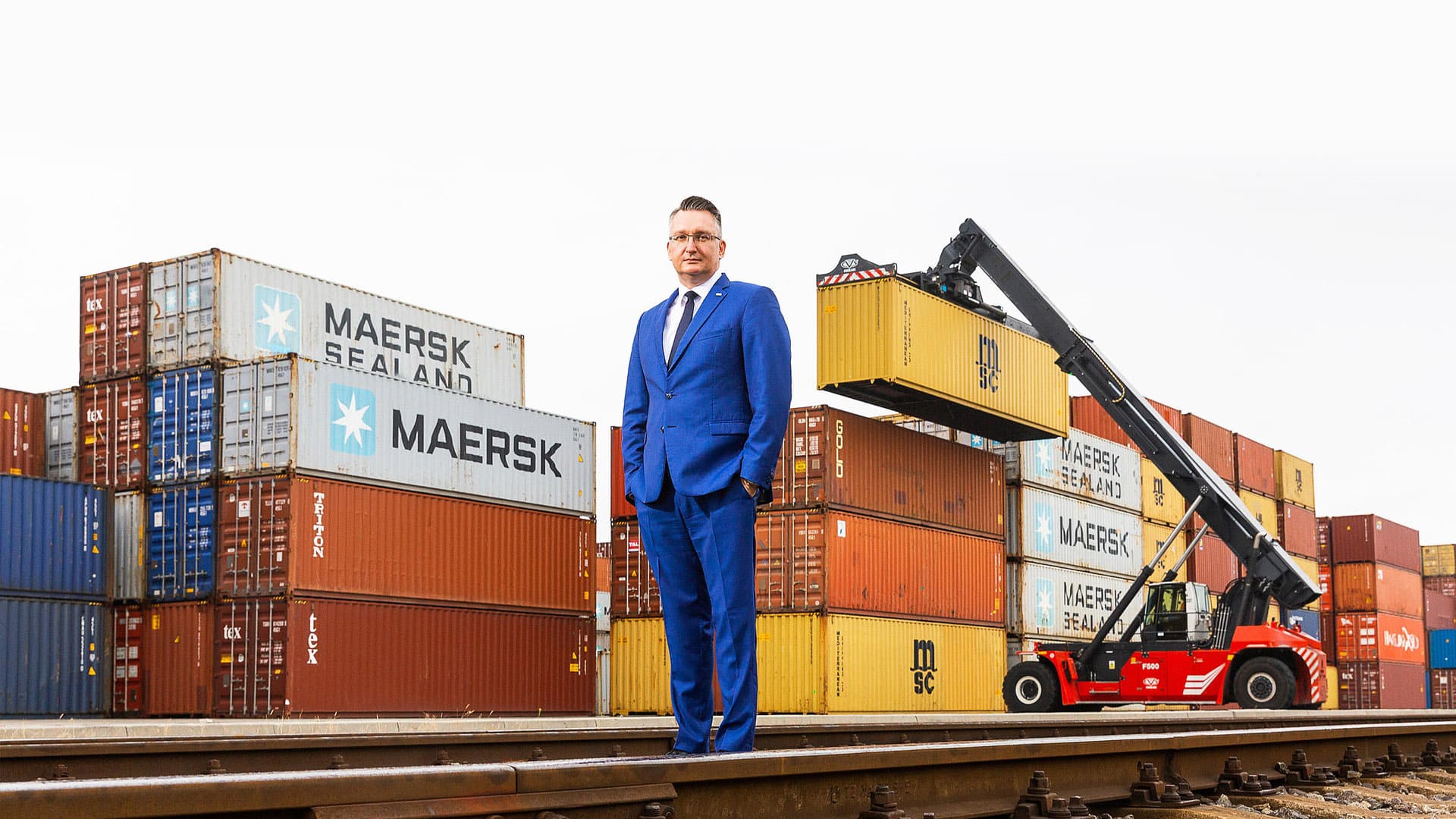
METRANS CEO Peter Kiss has indicated that the European rail freight market is likely to face sustained pressure due to a combination of geopolitical shifts, a downturn in European industrial production, and a decrease in overall demand. These interconnected factors are fundamentally altering supply chain dynamics across the continent.
For freight forwarders and operations managers, this outlook suggests a need for increased flexibility and strategic planning. The anticipated pressure could lead to more volatile pricing and capacity adjustments in rail services. Forwarders should prepare for potential delays or rerouting as geopolitical events continue to influence trade flows. The decline in industrial output may also reduce demand for certain types of cargo, intensifying competition among rail operators and potentially offering some rate advantages for shippers with stable volumes.
This environment necessitates a proactive approach to managing rail logistics, with a focus on diversified routing options and close monitoring of market conditions to mitigate risks and optimize costs.