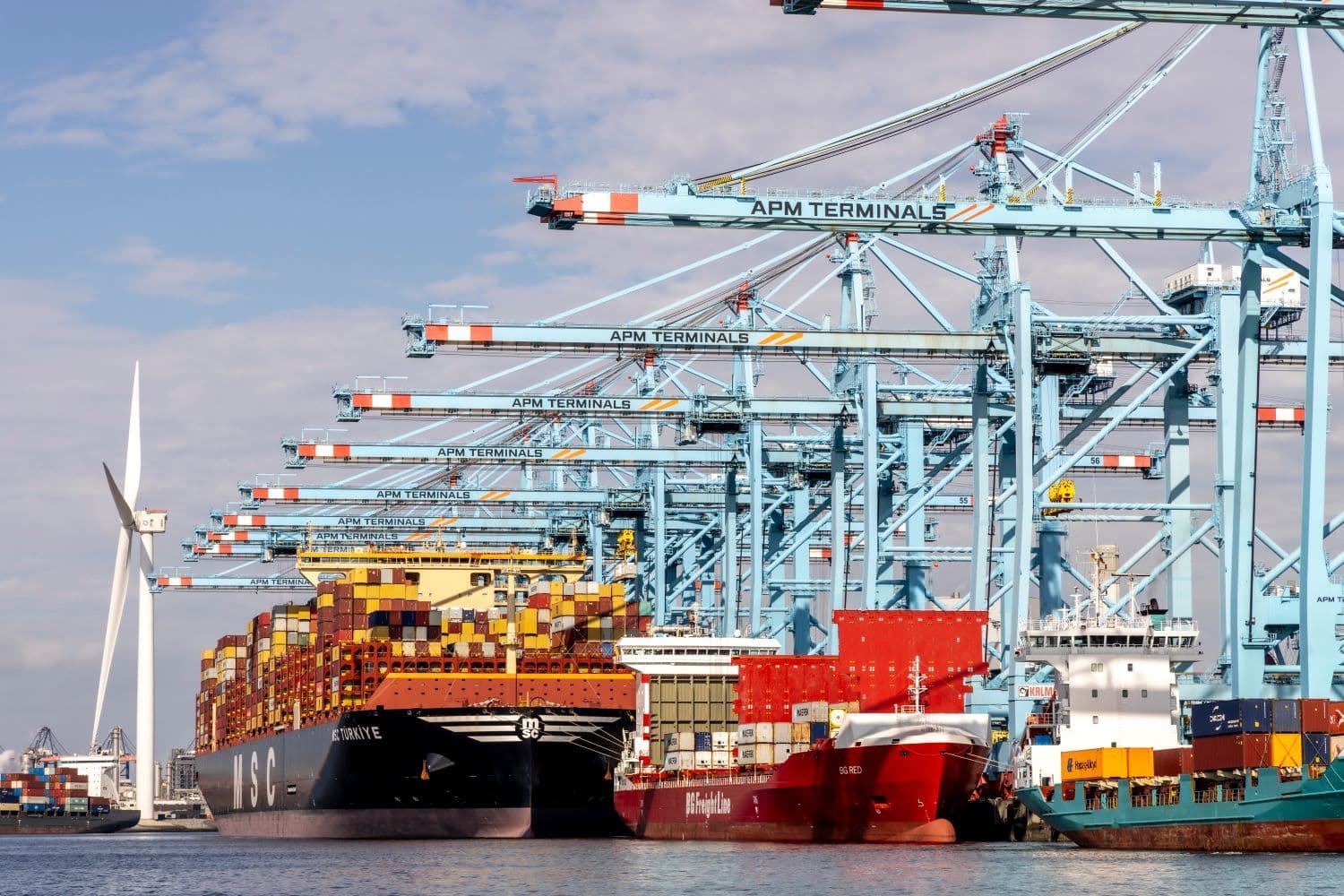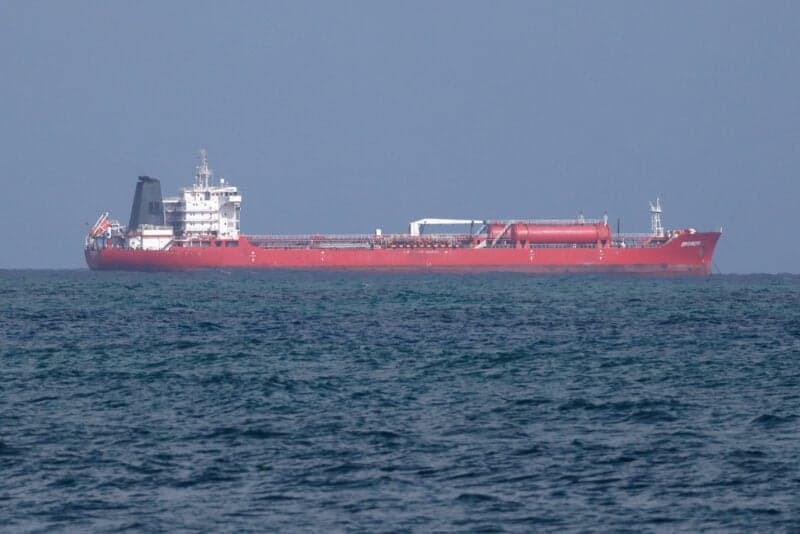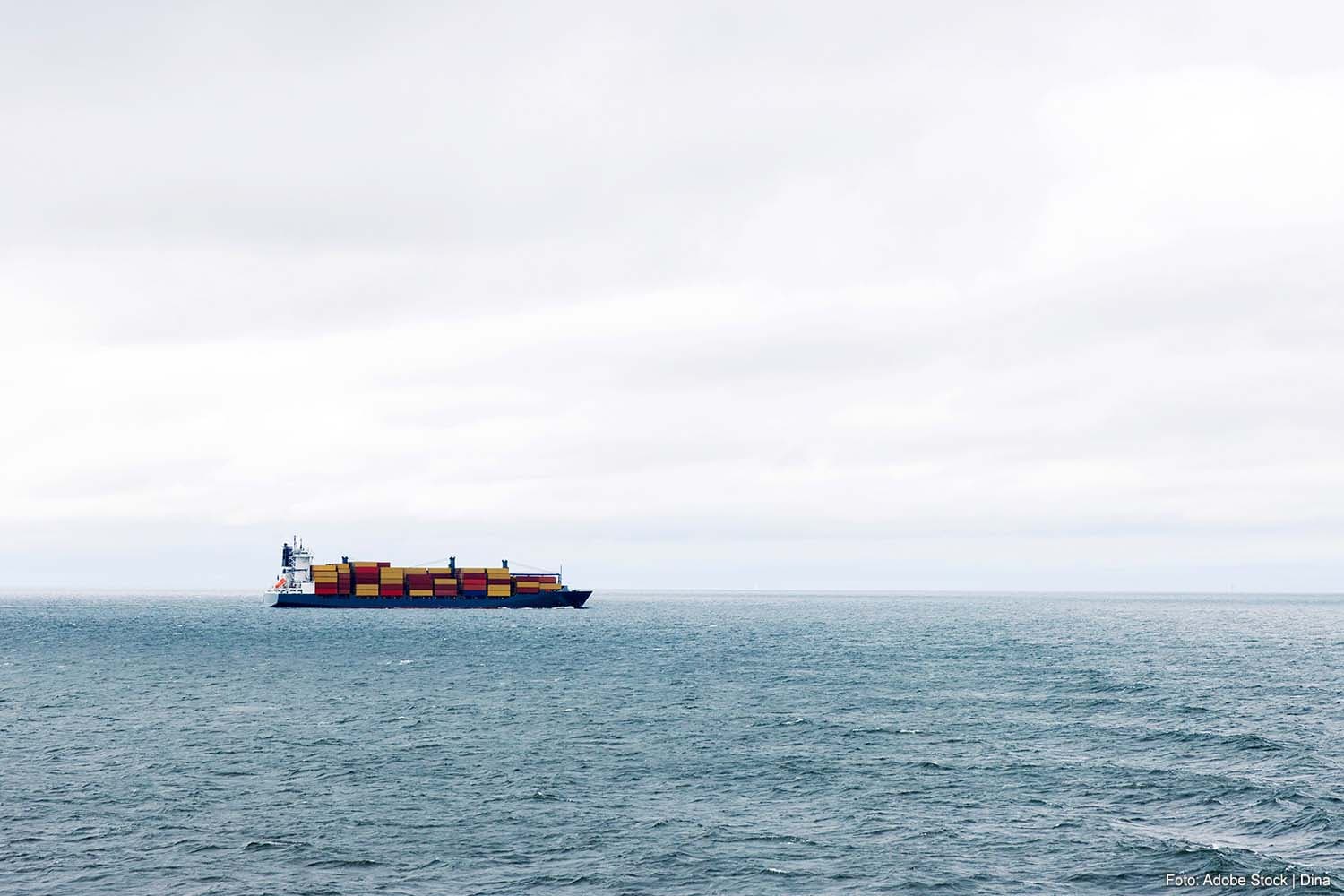
In 2025, maritime transport emerged as the predominant method for facilitating trade in goods between the European Union and countries outside the bloc. Eurostat data indicates that ships were responsible for moving 73.3% of total imports and 72.6% of total exports when measured by weight. This highlights the critical role of ocean freight in the EU's international supply chains, particularly for bulk commodities and heavy goods.
While maritime transport accounted for the largest share by weight, its contribution to the overall value of trade was comparatively smaller. Conversely, air freight, despite carrying a much lower volume, represented a significantly larger portion of the trade value. This suggests that air cargo is predominantly utilized for high-value, time-sensitive, or specialized goods.
For freight forwarders and operations managers, these figures underscore the continued reliance on sea freight for cost-effective, high-volume movements. Understanding this modal split is crucial for strategic planning, capacity management, and optimizing routing decisions. The distinction between weight and value also emphasizes the need for tailored logistics solutions, balancing transit time and cost based on cargo characteristics. Forwarders should continue to monitor shifts in modal preferences, especially as global trade dynamics evolve and supply chain resilience becomes a greater priority.