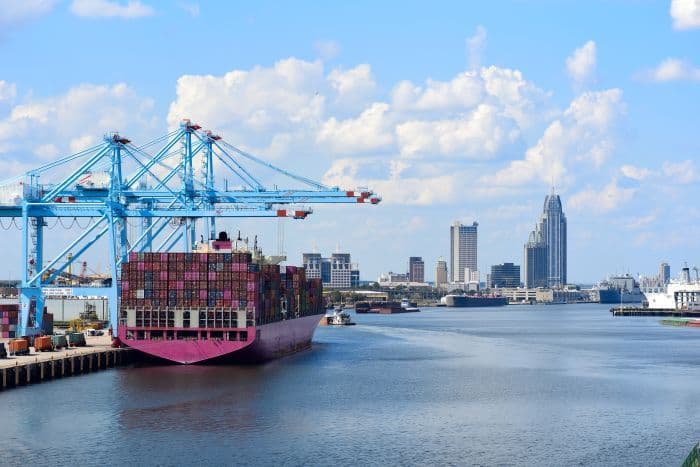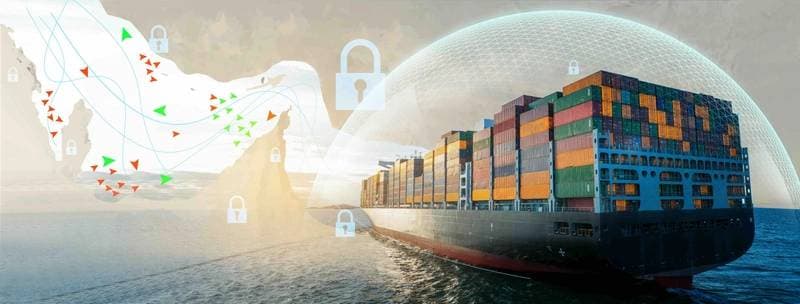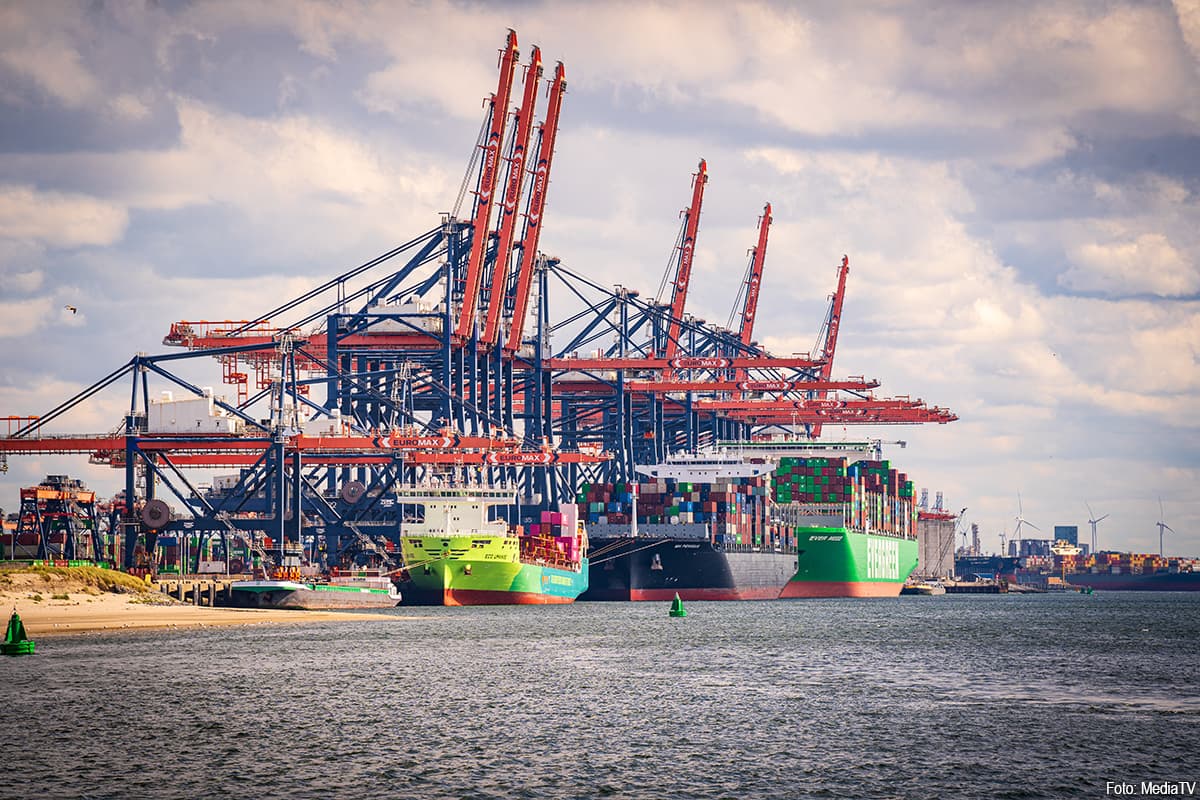
The Dutch government is implementing stricter security protocols to safeguard crucial container terminals and other essential port infrastructure from potential security risks and detrimental foreign influence. The Ministry of Infrastructure and Water Management has broadened the scope of what constitutes a 'critical entity' within the maritime domain, indicating a heightened awareness of vulnerabilities.
This initiative also involves bringing major container terminals under the jurisdiction of the Investment, Merger, and Acquisition Security Review Act (Wet Vifo). This legislation allows the government to scrutinize foreign investments in sensitive sectors for national security implications, providing a legal framework to prevent hostile takeovers or undue influence.
For freight forwarders and logistics professionals, these enhanced security measures could lead to increased scrutiny of operations involving critical Dutch port infrastructure. While the immediate impact on day-to-day operations might be minimal, it could potentially affect the timelines for new investments or mergers involving port assets, requiring additional compliance checks. The focus on foreign interference suggests a strategic move to protect national interests, which might indirectly influence trade relationships or investment flows from certain regions.