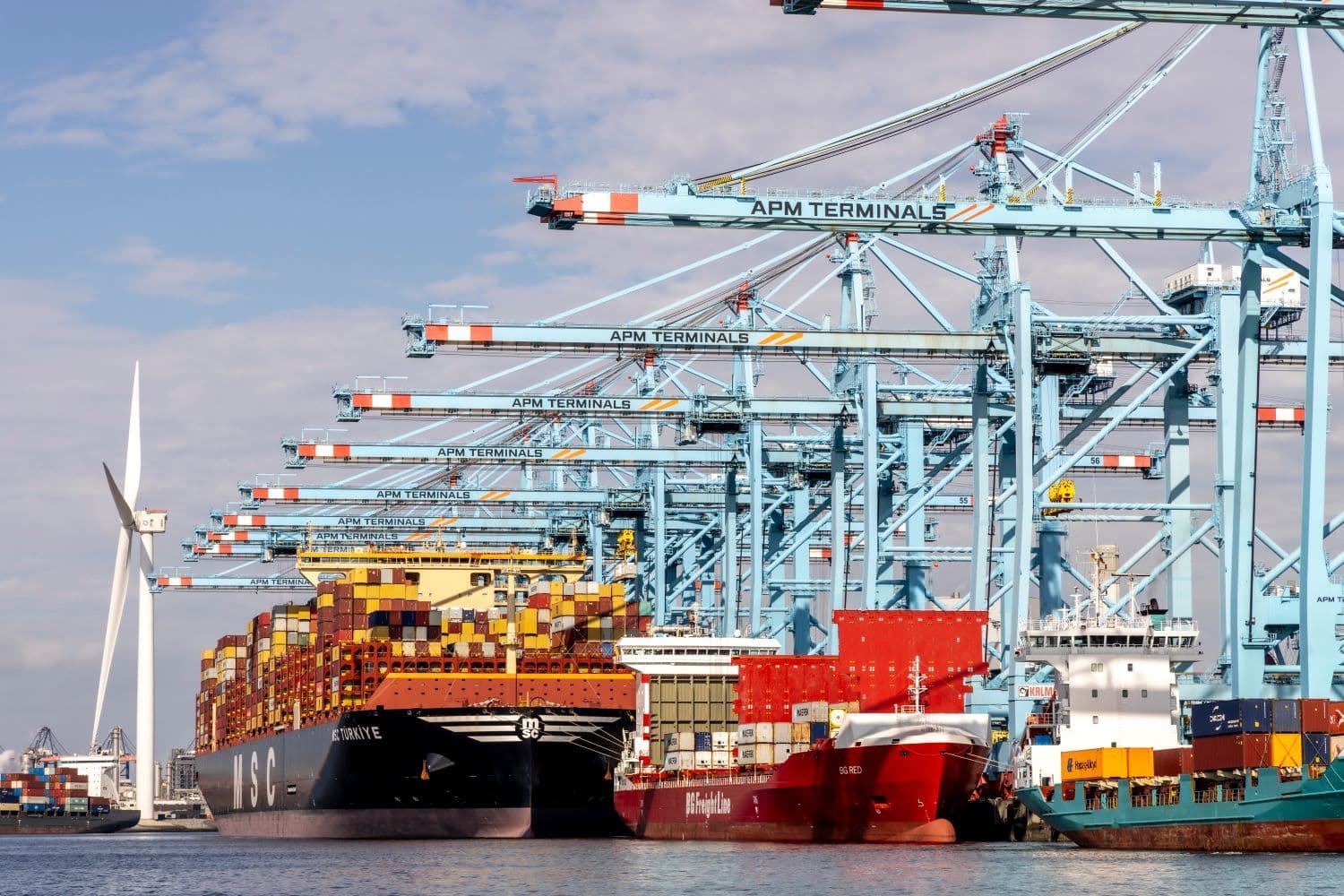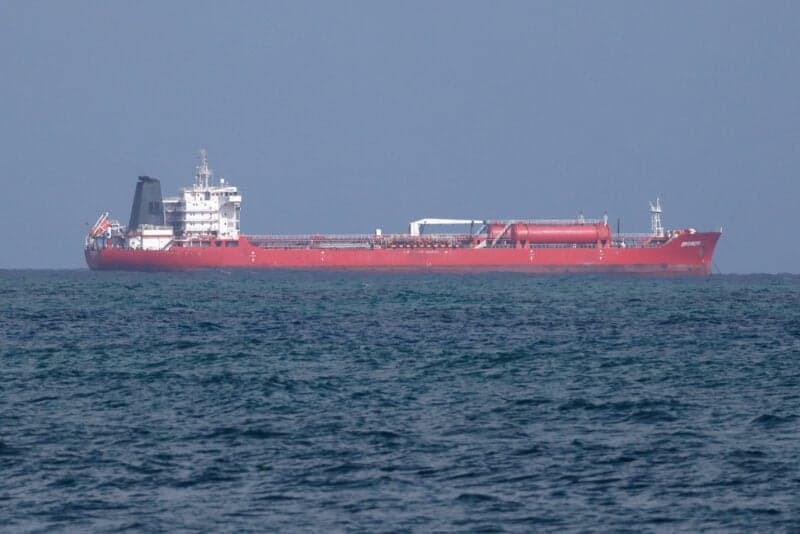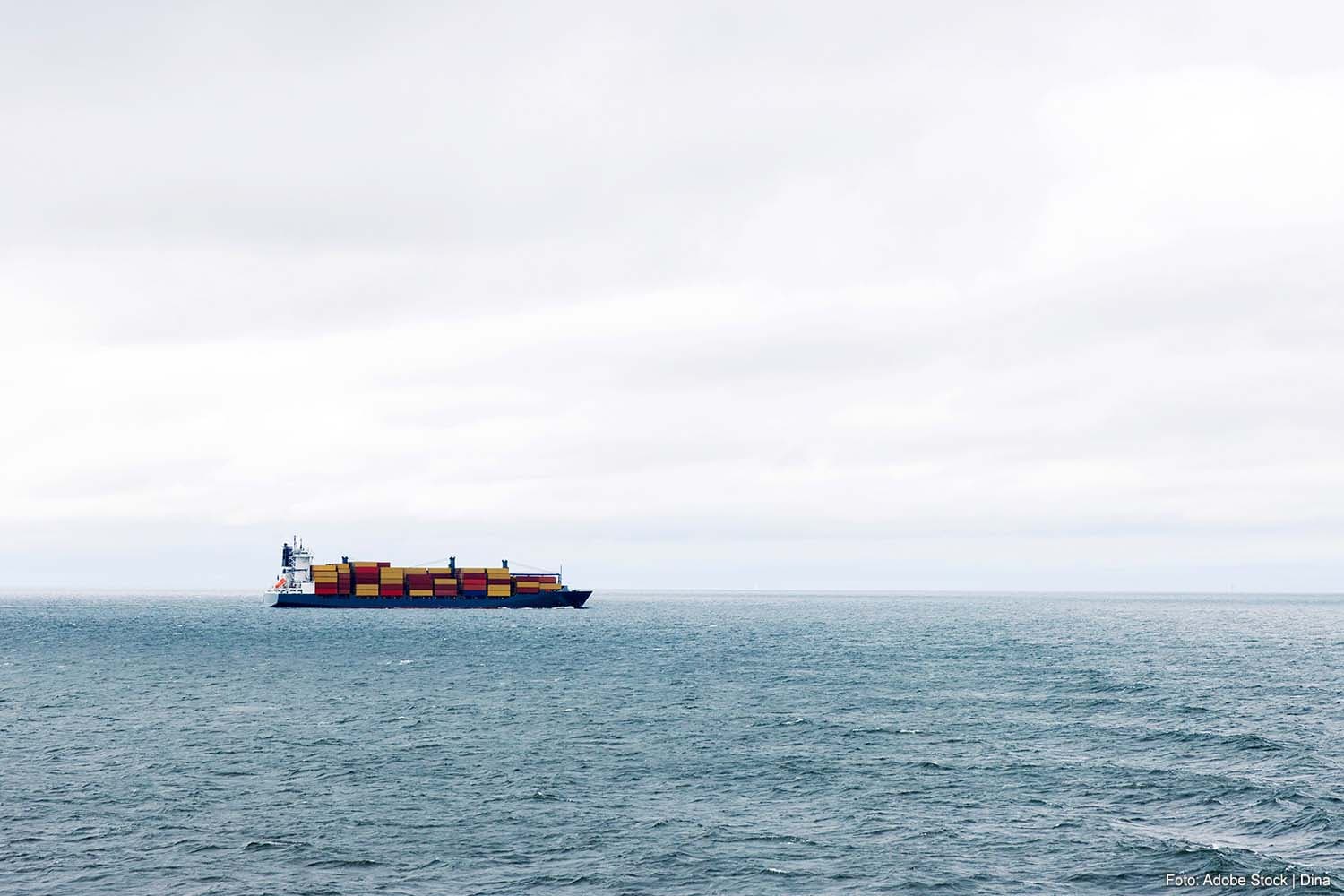
In 2025, the European Union's trade with countries outside the bloc predominantly relied on maritime shipping for the movement of goods. Data from Eurostat indicates that sea vessels were responsible for transporting 73.3% of the total import volume and 72.6% of the export volume. This highlights the critical role of ocean freight in facilitating the physical movement of goods for the EU's international trade.
However, when assessing trade by monetary value, the contribution of sea transport was comparatively smaller. Air freight notably captured a larger share of the trade value, suggesting that higher-value commodities, or those requiring faster transit times, were frequently transported by air. This distinction between volume and value shares underscores the diverse logistical requirements of different goods.
For freight forwarders and operations managers, these figures emphasize the continued importance of robust sea freight networks for handling the bulk of EU trade. While ocean shipping remains the backbone for volume, the significant value share held by air cargo points to ongoing demand for expedited services for premium goods. Forwarders should maintain strong relationships with both ocean carriers and air cargo providers to cater to the varied needs of shippers, balancing cost-effectiveness for bulk goods with speed and security for high-value items.