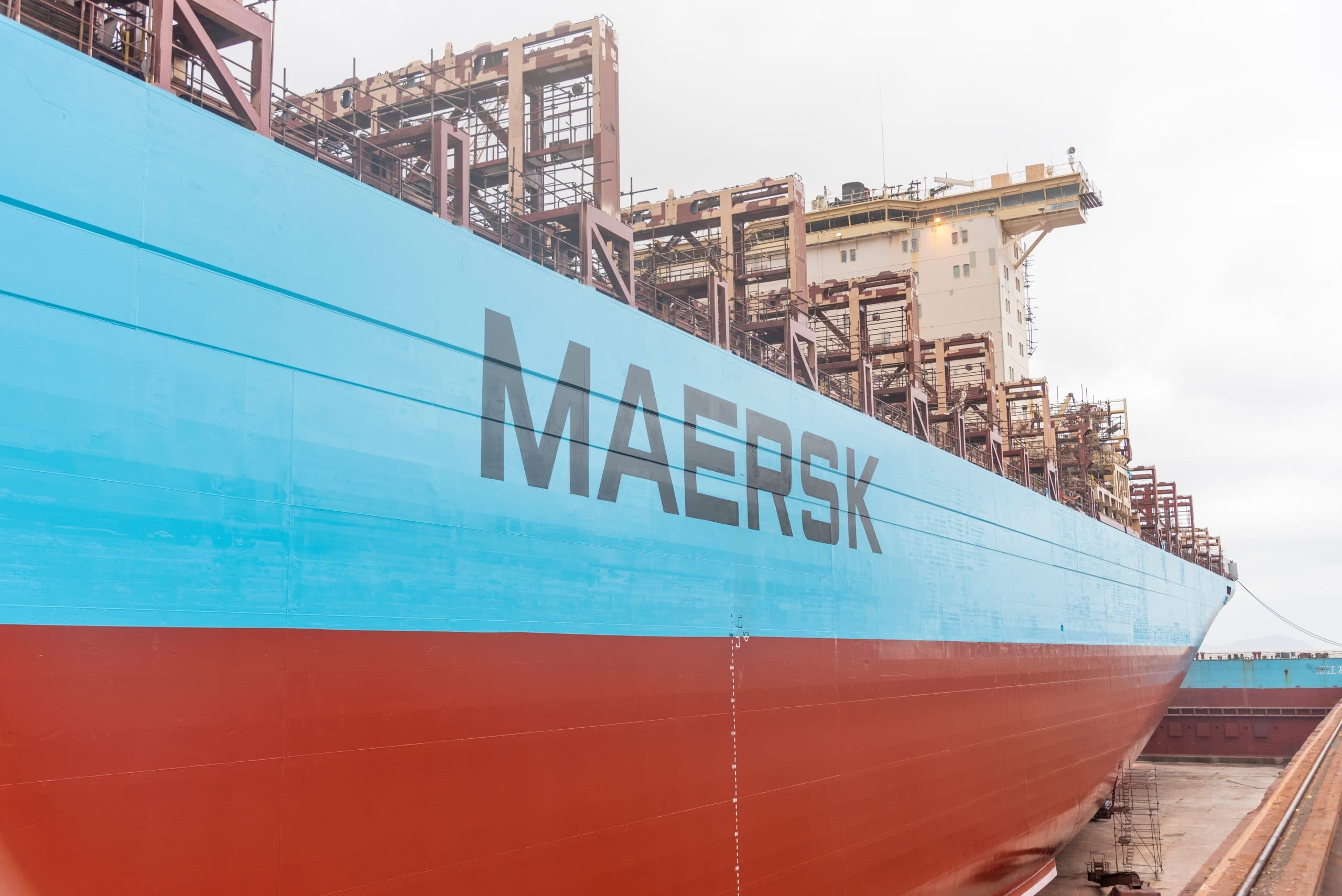
A.P. Moller-Maersk has officially confirmed a significant newbuilding program, placing orders for 26 large container vessels. Each ship will have a capacity of 18,600 TEU and will be equipped with dual-fuel engines, enabling them to operate on liquefied natural gas (LNG). This announcement follows weeks of market speculation regarding the carrier's fleet expansion plans.
This investment in LNG-capable vessels aligns with the industry's broader push towards decarbonization and the adoption of alternative fuels. By ordering ships that can run on LNG, Maersk is positioning itself to meet future environmental regulations and reduce its carbon footprint.
For freight forwarders and shippers, this order signifies a future increase in available capacity, particularly on major trade lanes where these large vessels typically operate. The deployment of more fuel-efficient ships could also contribute to more stable or potentially lower bunker surcharges in the long term, as carriers aim to optimize operational costs and comply with emissions targets. Forwarders should monitor the delivery schedule of these vessels to anticipate shifts in market capacity and potential service upgrades.
While the article does not specify the exact delivery timeline, such large orders typically span several years, gradually integrating new capacity into the global fleet.
