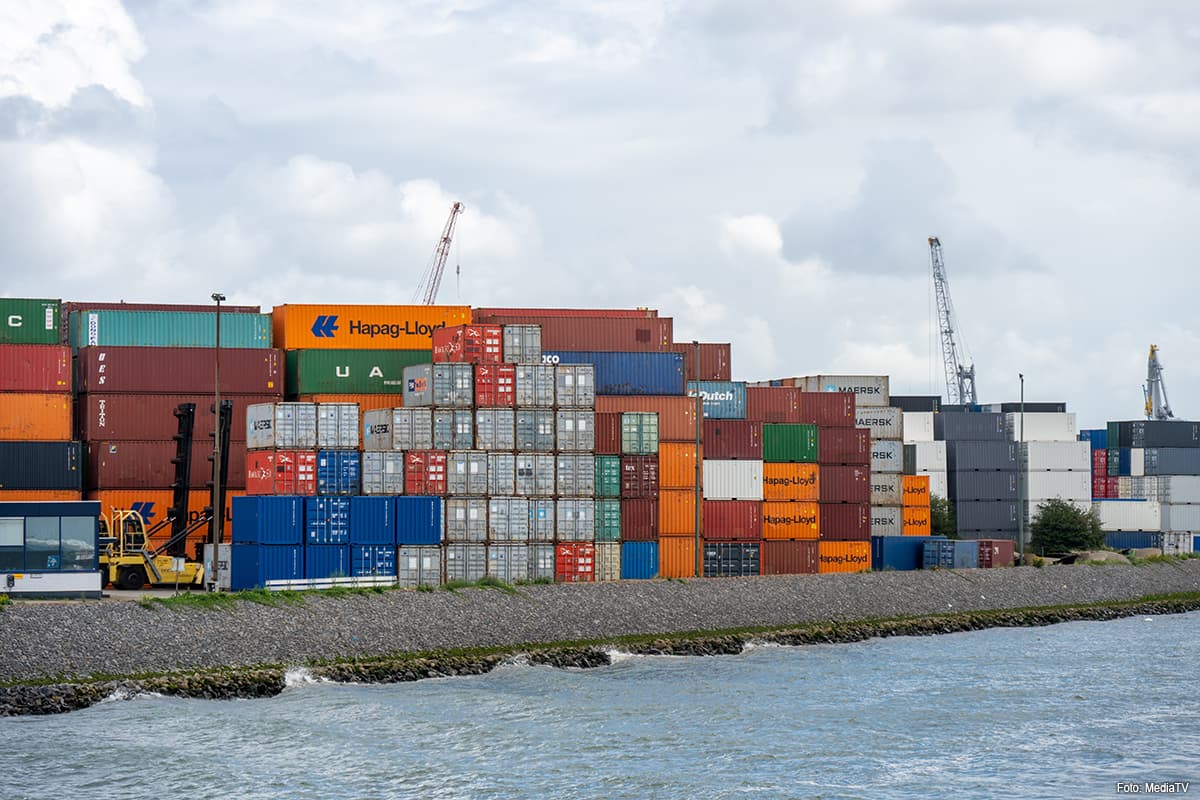
Technology firm Netcompany, in its whitepaper "The Orchestrated Port," proposes that ports can significantly improve their operational efficiency and capacity utilization by fostering better information exchange and operational alignment among various stakeholders. This includes shipping lines, terminal operators, road hauliers, and rail companies. The core argument is that enhanced collaboration can lead to more streamlined processes, thereby reducing delays and optimizing cargo flow without necessarily requiring substantial investments in new physical infrastructure.
For freight forwarders and operations managers, this initiative suggests potential benefits in terms of improved schedule reliability and faster turnaround times. Better coordination could lead to reduced waiting times for trucks at terminals and more predictable vessel arrivals and departures, ultimately lowering demurrage and detention costs. It also implies a more efficient use of existing port resources, which could alleviate congestion during peak periods and contribute to more stable supply chains.
While the whitepaper does not detail specific next steps, it advocates for a strategic shift towards integrated digital platforms and collaborative decision-making frameworks within port ecosystems. Implementing such a strategy would involve technological upgrades and a commitment from all parties to share data and synchronize operations more effectively.