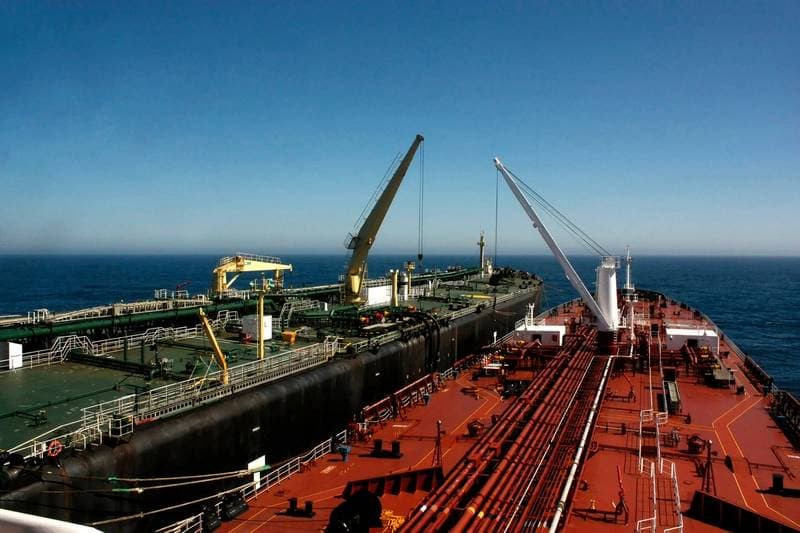
Middle Eastern oil producers have initiated a novel tanker shuttling system to sustain crude exports amidst heightened regional instability. This strategy involves smaller vessels transporting oil from production sites to larger tankers positioned outside high-risk zones, allowing for continued global supply.
This development comes as geopolitical tensions in the region, particularly around the Strait of Hormuz, have intensified, leading to increased security concerns and higher operational costs for shipping. The shuttling system is a direct response to these challenges, aiming to de-risk the primary export routes.
For freight forwarders and shippers, this translates to significantly higher costs for oil transportation, impacting overall supply chain expenses. The additional transshipment steps introduce complexity and potential delays, requiring careful planning and increased insurance premiums. The long-term implications for global energy prices and shipping rates remain uncertain, but an upward pressure on costs is likely to persist as long as the security situation remains volatile.
The industry is closely watching whether this expensive and intricate process will become a permanent fixture or if it is merely a temporary measure until regional stability improves.