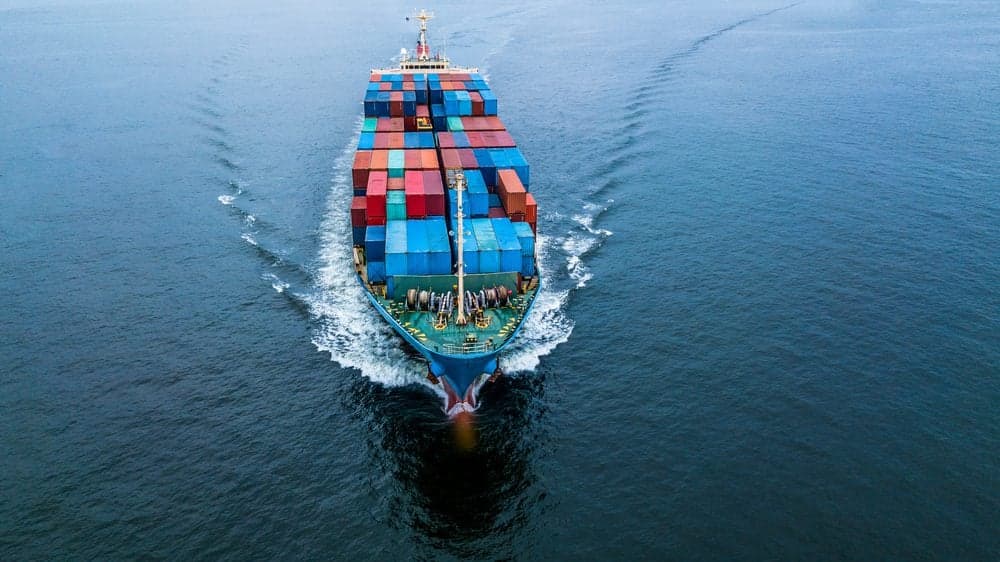
Ocean carriers and tanker owners are currently benefiting from a market characterized by slower global trade but elevated costs and freight rates. This environment is largely influenced by ongoing supply chain disruptions and geopolitical conflicts, such as the U.S. conflict with Iran and Russia's war in Ukraine. These events create bottlenecks, extend transit times, and increase operational expenses, which ultimately translate into higher charges for shippers.
For freight forwarders and operations managers, this situation implies continued pressure on freight rates, particularly for ocean shipments. Capacity might appear stable, but effective slot availability could be reduced due to longer transit times and vessel diversions, impacting schedule reliability. Forwarders should anticipate higher surcharges and potentially longer lead times, necessitating proactive communication with clients and flexible routing strategies.