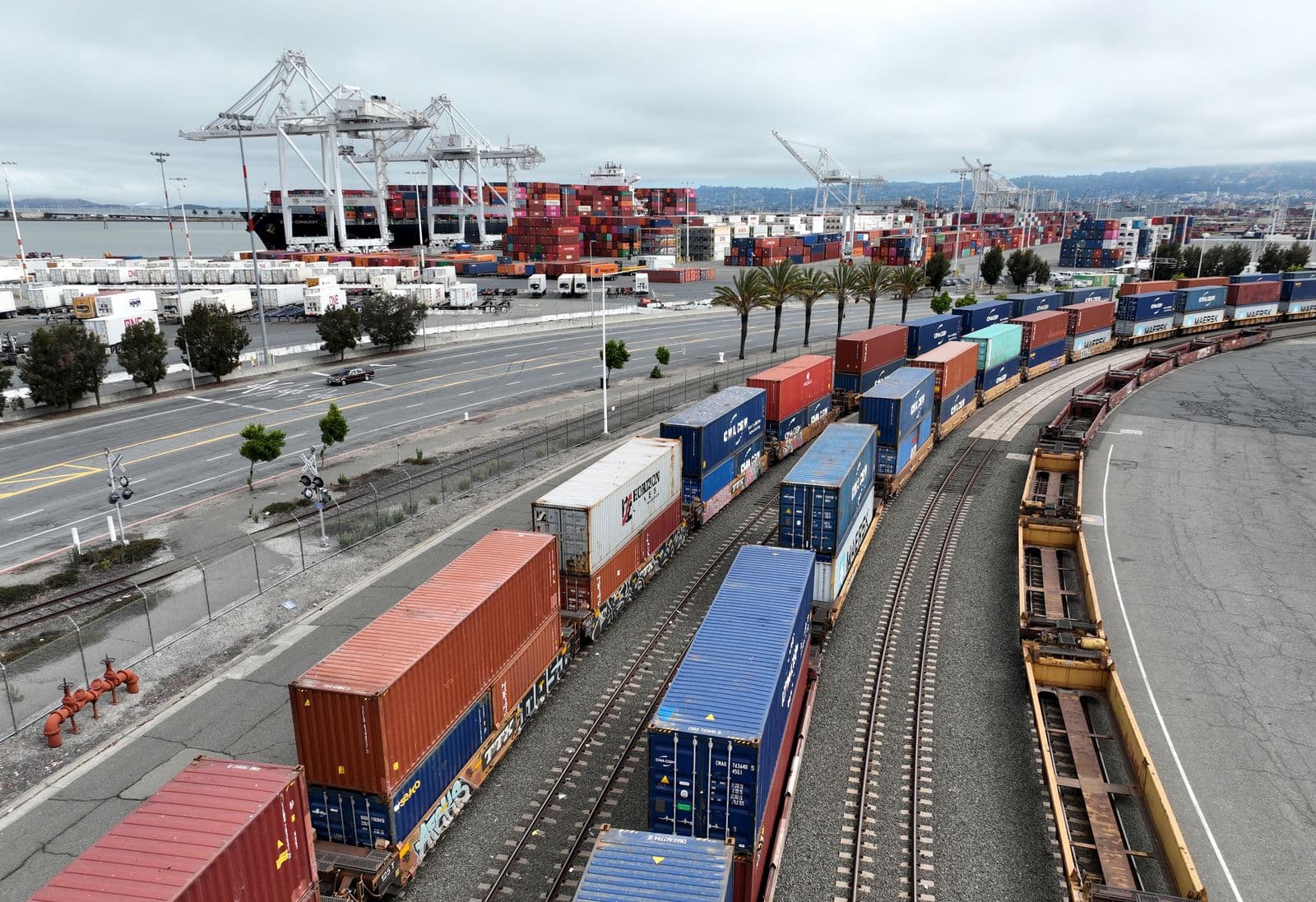
North American rail carriers and the ports they serve recognize that current economic factors are highly conducive to expanding intermodal freight volumes. However, industry experts caution that this growth is not automatically guaranteed. The primary determinant for shifting containerized cargo from road to rail lies in the ability of railroads to provide consistent, reliable, and high-quality service.
For freight forwarders and operations managers, this implies that while the potential for cost savings and environmental benefits through intermodal transport is present, the actual realization depends heavily on carrier performance. Unreliable rail service can lead to missed connections, increased dwell times, and ultimately negate any potential advantages, pushing shippers back to trucking. Forwarders should closely monitor rail service metrics and consider diversified routing options to mitigate risks associated with potential service inconsistencies.