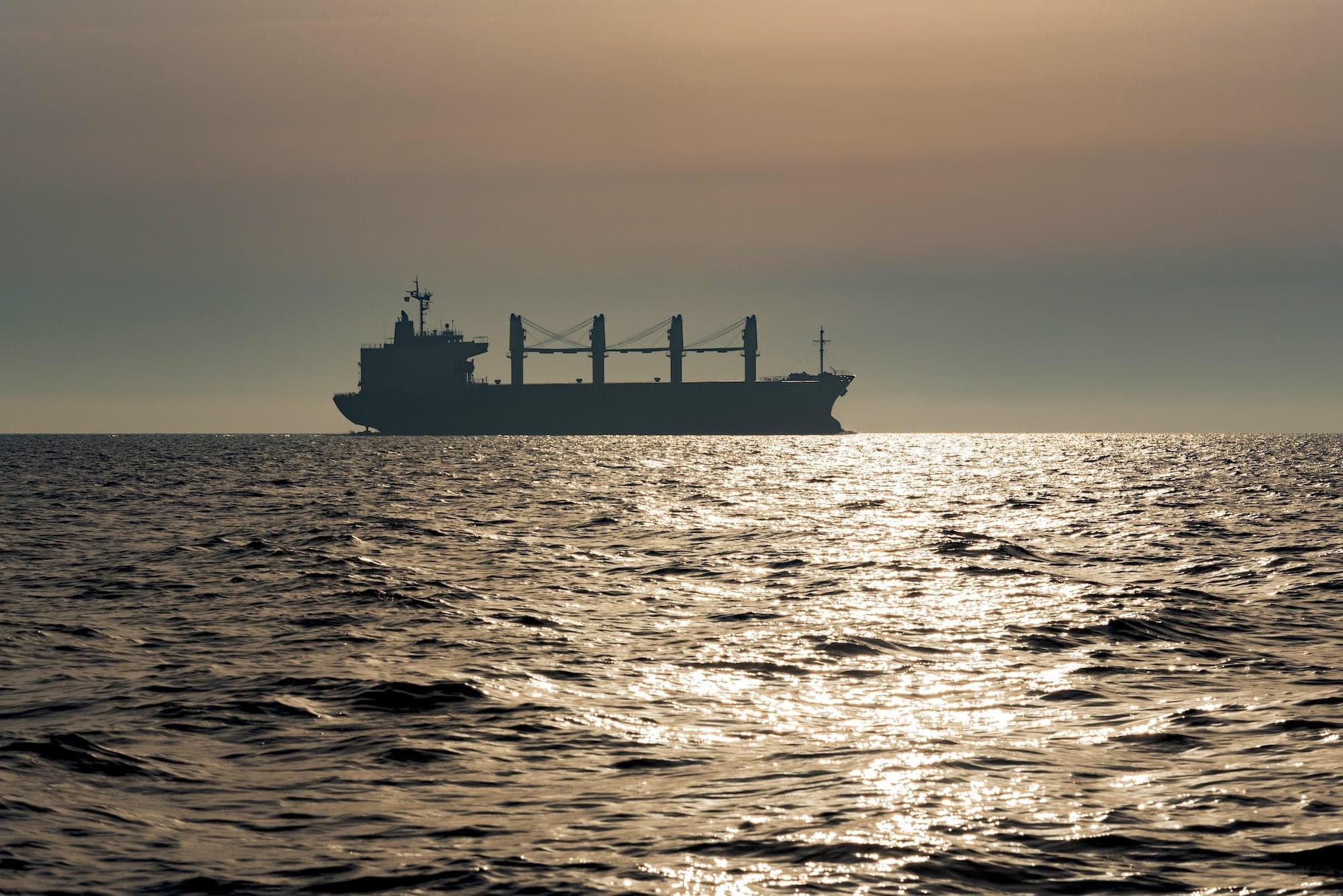
A recent incident revealed that a flawed intelligence report, which utilized artificial intelligence in its creation, almost resulted in the U.S. military intercepting and boarding a Chinese vessel in the Middle East. The near-miss occurred during a period of conflict, raising concerns about the reliability of AI in sensitive military decision-making.
This event underscores the potential for AI-generated information to lead to significant geopolitical tensions and operational errors. For freight forwarders, such incidents highlight the broader risks of miscommunication or misidentification in international waters, which could lead to delays, diversions, or even direct intervention by military forces. While this specific event was averted, it serves as a reminder of the complex and sometimes volatile environment in which global shipping operates. Forwarders should remain vigilant about geopolitical developments and the potential for unexpected disruptions, even those stemming from technological errors.
The increasing reliance on AI in various sectors, including defense and logistics, necessitates robust validation and human oversight to prevent similar occurrences. The implications for maritime security and international relations are substantial, emphasizing the need for careful implementation and continuous evaluation of AI systems in critical applications.