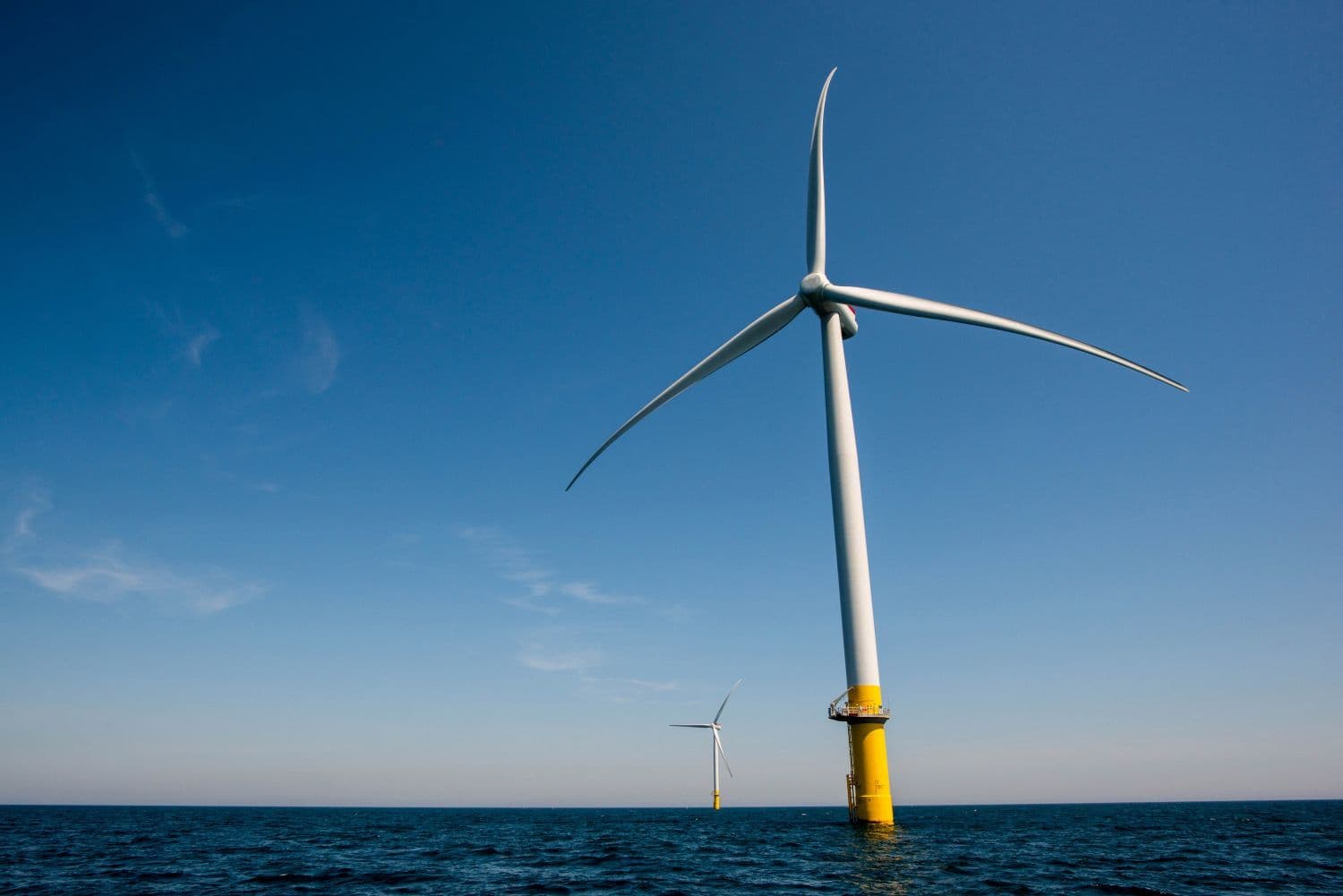
Canada is advancing plans for a new port facility specifically designed to support offshore wind energy projects. This strategic move comes as developers in the United States encounter increasing obstacles, including political resistance and project deferrals, particularly under the current administration's stance on wind energy development.
This Canadian initiative aims to create a robust hub for the assembly, staging, and deployment of offshore wind components, which are typically large and heavy. For freight forwarders and logistics professionals, this signals a potential new avenue for project cargo and heavy-lift operations. It could lead to increased demand for specialized vessels and port services in the region, potentially influencing routing decisions and capacity allocation for oversized cargo. Shippers involved in renewable energy infrastructure may find Canada a more stable and attractive market for their logistics needs compared to the US in the near term.
Should the US market continue to present challenges, Canada's proactive approach could position it as a leading destination for offshore wind investment in North America. This could drive significant new heavy cargo trade, offering opportunities for carriers and shippers specializing in breakbulk and project logistics.