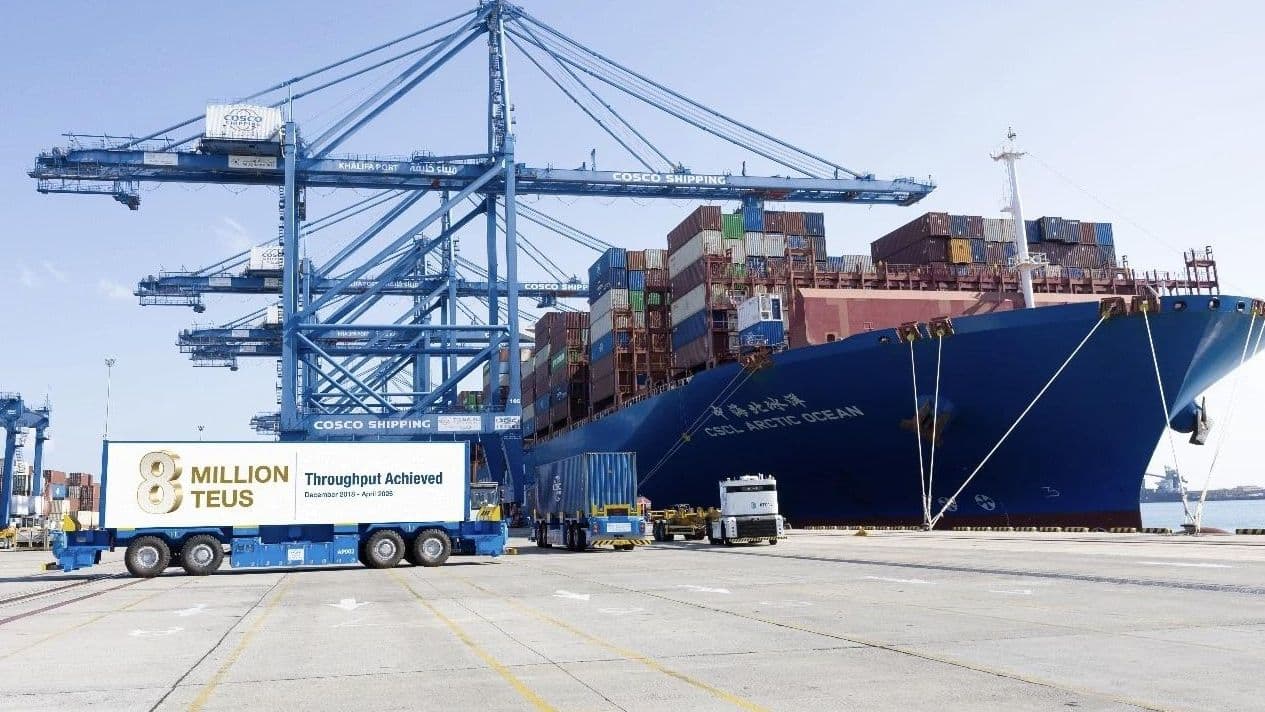
CSP Abu Dhabi Terminal, located within Khalifa Port, has successfully integrated a new technology from Westwell that allows its autonomous container handling equipment to function independently of Global Navigation Satellite Systems (GNSS). This development means that the terminal's automated vehicles can maintain precise localization and navigation even in environments where satellite signals might be obstructed or unreliable.
The adoption of GNSS-independent technology is a significant step for container terminals, especially in regions like the Middle East, which are rapidly advancing towards fully autonomous operations. Traditional autonomous systems often rely heavily on satellite positioning, which can be vulnerable to signal loss due to infrastructure, weather, or intentional interference. By removing this dependency, the terminal enhances the robustness and continuous operation of its automated fleet.
For freight forwarders and operations managers, this technology translates into improved schedule reliability and potentially faster turnaround times at the port. Reduced reliance on satellite signals means less susceptibility to disruptions, ensuring that container movements within the terminal are more consistent and predictable. This can help mitigate delays in cargo loading and unloading, ultimately benefiting supply chain efficiency and transit times for shippers.
This implementation aligns with the broader trend of increasing automation and digitalization within the global port industry, aiming to optimize operational workflows and reduce human intervention.