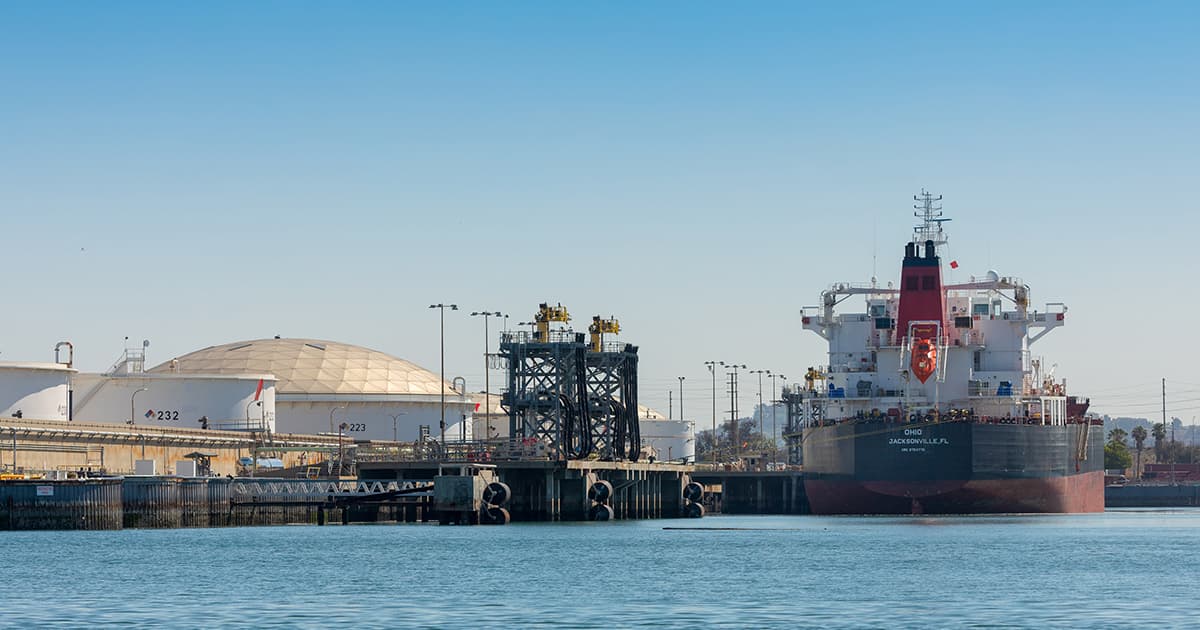
The U.S. White House has announced a 90-day extension of a waiver permitting foreign-flagged ships to transport oil and other commodities between American ports. This marks the longest continuous suspension of the Jones Act in its history. The decision comes with new limitations, introduced after domestic shipbuilders and their congressional allies voiced concerns that the policy was detrimental to the U.S. maritime industry.
For freight forwarders and logistics professionals, this extended waiver could offer temporary flexibility in domestic U.S. shipping, particularly for bulk commodities. The ability to use foreign-flagged vessels might alleviate some capacity constraints or reduce costs on specific routes where U.S.-flagged options are limited or more expensive. However, the new limitations suggest a tightening of the policy, which could lead to increased scrutiny or a more complex application process for future waivers. Forwarders should monitor the specifics of these new restrictions to understand their potential impact on domestic routing and carrier selection. The long-term implications for U.S. coastal shipping rates and capacity remain uncertain, but any reduction in available foreign-flagged capacity could lead to rate increases.