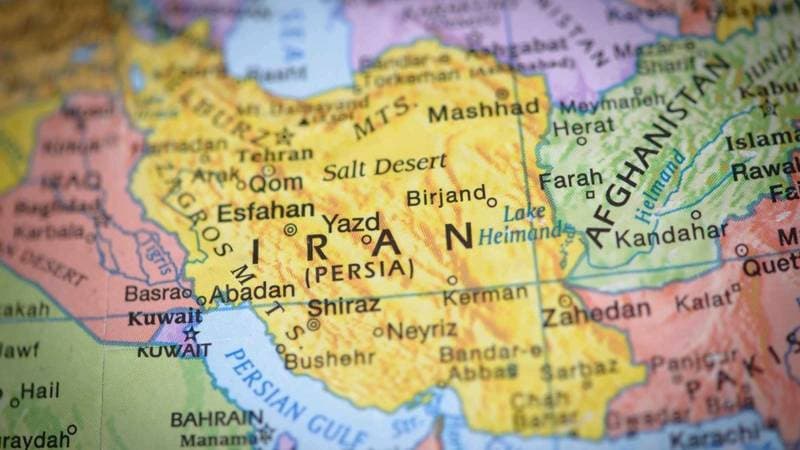
Defense Secretary Pete Hegseth announced that the U.S. military has the resources to enforce a naval blockade against Iran for an extended period. He indicated that naval vessels could be rotated through the region to sustain this operation without interruption. These comments imply that the U.S. administration is considering or has planned for a prolonged maritime interdiction strategy.
For freight forwarders and shippers, the implementation of a naval blockade in the Persian Gulf region, particularly near the Strait of Hormuz, would have profound implications. The Strait of Hormuz is a critical chokepoint for global oil and gas shipments, and a significant route for container and general cargo traffic to and from the Middle East. A blockade would effectively close this vital waterway, forcing all commercial shipping to seek alternative, much longer routes, likely around the Arabian Peninsula or through other global trade lanes.
Such a scenario would lead to drastic increases in transit times, fuel consumption, and operational costs. War risk insurance premiums for vessels operating anywhere near the affected zone would surge, adding further financial burden. Capacity on alternative routes would become strained, potentially causing widespread port congestion and delays globally. Forwarders would need to re-evaluate all Middle East-bound or originating shipments, explore multimodal options, and advise clients on significant supply chain disruptions and cost escalations. The unpredictability and heightened security risks would also necessitate enhanced due diligence and contingency planning for all stakeholders.